Everyday I Love You Less And Less by Kaiser Chiefs
A breakup song with a grin
The meaning of Everyday I Love You Less And Less Kaiser Chiefs starts with a clever reversal. Many bands build to a love song. Kaiser Chiefs did the opposite. In a BBC interview, singer Ricky Wilson called it a "hate ballad," written for anyone who has split up with someone who will not go away.
"Everyday I Love You Less And Less" - Kaiser Chiefs
It's clear to see that you've become obsessed
I've got to get this message to the press
Loading lyrics...
Unable to load lyrics
We're unable to display the lyrics at this time. Please try again later.
That idea explains the song’s whole appeal. It is not about heartbreak in the soft, wounded sense. It is about affection wearing out in public, loudly, and almost comically. The title hook, Everyday I love you less and less
, turns emotional decline into a drumbeat. Love is not gone all at once. It erodes day by day.

Watch the official Everyday I Love You Less And Less
music video
What the lyrics are really saying
At the core, the song captures the point where a relationship has moved past sadness into disgust and exhaustion. The speaker is no longer torn. They are fed up. When the song says the other person has become obsessed
, it frames the breakup as one-sided and draining.
That matters because the song is not just about falling out of love. It is also about wanting space back. The speaker sounds trapped by someone who keeps lingering emotionally, socially, or physically. Even the joke about taking the message to the press makes the frustration feel oversized. It suggests that private relationship drama has become so intense that it feels like public news.
From desire to revulsion
One of the sharpest turns in the lyric is how memory itself becomes unpleasant. Instead of missing physical intimacy, the speaker feels sick thinking about it. That change shows how fully the relationship has soured.
Interpretation: This is why the song lands with listeners who have had a messy breakup. It describes the ugly stage people do not always admit: the moment when nostalgia dies and irritation takes over.
Stress, control, and mental overload
The song is not only angry. It is stressed. The speaker admits feeling worn down, overmanaged, and emotionally scrambled. The image a rat upon a wheel
is especially important. It suggests repetitive motion, panic, and no real progress.
That line connects the breakup to a wider feeling of modern pressure. The speaker is not calmly ending a romance. They are spiraling through noise, routine, and confusion. When they say they need to know what is real, the song briefly widens beyond one person. It starts to sound like a young adult trying to hold onto sanity in a chaotic social world.
I'm sicktired of staying in control
Those short lines sum up the song’s emotional engine. The speaker has been managing their feelings, maybe for too long, and now the pressure is bursting out as sarcasm and contempt.
Why the chorus is so catchy
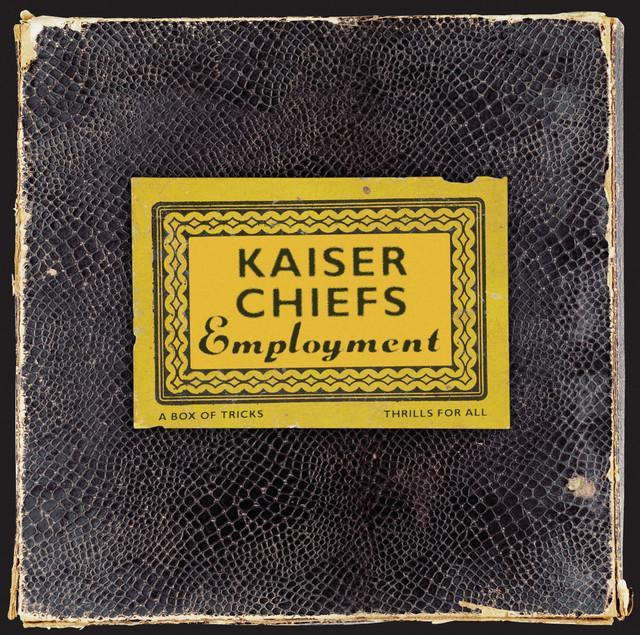
Kaiser Chiefs built the song to hit fast. It opens 2005’s Employment and was released as a single on May 16, 2005. Produced by Stephen Street, it combines tight drums, stabbing guitars, bright keyboards, and a chant-like vocal style that makes bitterness sound instantly singable.
That contrast is the trick. The words are harsh, but the arrangement is punchy and fun. Instead of a slow ballad, the band uses a brisk new-wave-indie sound. The result feels almost celebratory, as if the speaker is dancing through emotional collapse.
This helps explain the song’s reach. According to Official Charts data summarized by major references, it reached No. 10 in the UK and later earned platinum certification in the UK. Its hook is simple enough for a crowd, but sharp enough to feel personal.
The funny lines are not just funny
Part of the song’s charm is how it mixes cruelty with silliness. The speaker says their parents and girlfriend love them, then shrugs that this is enough love. It is a joke, but it also reveals something real. They are trying to replace romantic love with safer forms of approval.
In other words, they are retreating. Family love is dependable. New love might be a rebound. Either way, the line sounds defensive. The speaker is acting like they do not care, which usually means they care enough to keep talking.
Performance and attitude
Ricky Wilson sings the song with clipped energy rather than deep sorrow. That choice matters. He sounds irritated, theatrical, and amused by his own venom. The performance keeps the song from becoming truly bleak.
Interpretation: This may be why the track still connects. It turns a nasty emotional state into something listeners can laugh at, shout along with, and recognize without having to sink into it.
A wider Kaiser Chiefs context
Early Kaiser Chiefs songs often focused on ordinary British life with exaggerated feeling, catchy repetition, and a slightly cheeky edge. This track fits that style well. As The Guardian noted in a 2005 profile, the band leaned on instantly memorable choruses and communal chants to grab attention quickly.
That background helps the meaning. The song is not diary-like confession in the singer-songwriter sense. It is a stylized outburst built for a room full of people. The skeleton-costume video, directed by Tim Pope, pushes that same idea: beneath the bright presentation is something dead or decaying.
Final takeaway
So, what is the meaning of Everyday I Love You Less And Less Kaiser Chiefs? Most clearly, it is a breakup song about emotional decline turning into disgust, stress, and dark humor. It shows love fading not with silence, but with repetition, sarcasm, and a big pop hook.
Interpretation: The deeper sting is that the song is not only about hating an ex. It is also about being tired of one’s own emotional loop. That is why it feels both personal and universal.
Disclaimer: Song meaning is interpretive. This reading blends documented artist comments, release context, and close lyric analysis rather than claiming one final, official meaning.








