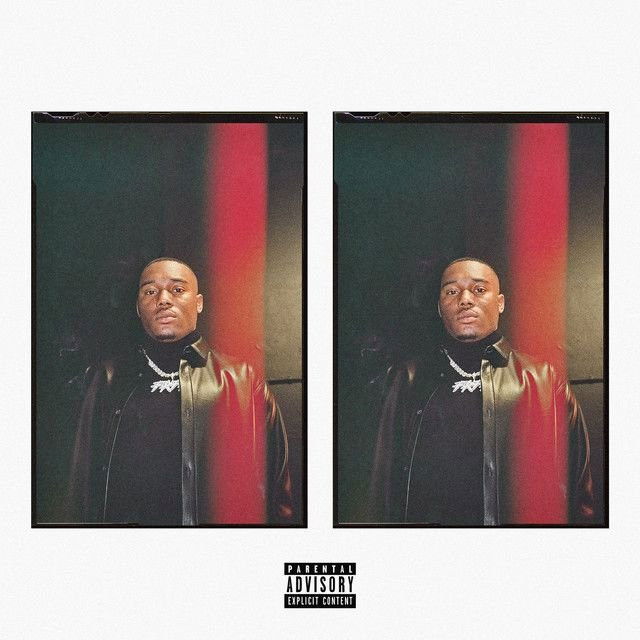
Never Lose You by Kalan.FrFr
The meaning of Never Lose You Kalan.FrFr centers on a relationship that feels safe, essential, and nearly irreplaceable—but also strained by emotional damage. The song is not a clean romance. It is a confession from someone who knows they have hurt their partner and is only now seeing how much that love has held them together.
"Never Lose You" - Kalan.FrFr
Smoke to calm my nerves, I know sometimes I get at you
Like you the one to blame and me and you go get into it (yeah)
Loading lyrics...
Unable to load lyrics
We're unable to display the lyrics at this time. Please try again later.
Kalan.FrFr builds the track around a simple but heavy idea: love can feel permanent right up until someone pushes it too far. That tension gives the song its power.
A Love Song Built on Regret
At its core, the song is about dependence mixed with remorse. The speaker admits they get caught in their moods and often lash out at the person closest to them. Early on, the song frames conflict as part of the relationship’s routine, with phrases like in a mood
and get into it
showing how quickly emotion turns into arguments.
But the key detail is that the song never treats this as normal or harmless. Instead, it shows growing awareness. The speaker realizes this partner has been loyal, generous, and patient for a long time. The song’s title idea—feeling like they could never lose this person—sounds romantic at first, but it is really a warning. They believed the bond was unbreakable, and that false confidence helped create the hurt.
Watch the official Never Lose You
music video
The Chorus Says More Than It First Appears
The hook is gentle, but its meaning is complicated. When Kalan repeats I could never lose you
, he is expressing love, comfort, and emotional relief. He says the partner helps pull him out of his feelings, almost like their presence calms his internal chaos.
Interpretation: this refrain also reveals denial. He acts as if the relationship is so strong that it will survive anything. That makes the chorus bittersweet. What sounds like devotion may also be the exact mindset that led him to take the relationship for granted.
Where the Pain Comes From
One of the most revealing lines is broken love was my influence
. In plain terms, the song says his bad habits did not come out of nowhere. He learned love through unstable experiences, so he now brings fear, defensiveness, and confusion into a relationship that may deserve better.
That does not erase responsibility. In fact, the song works because he does not fully hide behind his past. He openly says he hurt this person and admits he did not know what to do with real love when it first arrived. That idea gives the song emotional depth: he is not just missing someone; he is recognizing that healthy love felt unfamiliar to him.
The Story Inside the Verses
The verses move like memories. They show:
- a pattern of arguments and stubborn behavior,
- a partner who stays loyal despite criticism from others,
- material success that cannot fix emotional damage,
- and finally, the fear of separation.
A telling contrast appears when the lyrics move from luxury details to loneliness. He mentions a large house and extra rooms, but those images do not feel triumphant. They feel empty without the person he wants to share them with. In that way, success becomes background scenery, not the emotional center.
Another important phrase is hold a nigga down
, which presents the partner as steady and committed. The song respects that loyalty, but it also implies an imbalance: one person has been doing more of the emotional carrying.
How the Sound Supports the Meaning
Musically, the song leans into melodic rap and modern R&B, both closely associated with Kalan.FrFr’s West Coast style. His catalog has often blended conversational honesty with smooth, late-night production, a sound noted in artist profiles and release coverage from sources like Apple Music and AllMusic.
Here, the soft repetition in the chorus matters as much as the words. The melody feels soothing, almost hypnotic, which mirrors the comfort the partner brings. At the same time, the verses are more loose and confessional, sounding like someone talking themselves through guilt in real time.
Interpretation: that contrast between warm chorus and uneasy verse reflects the relationship itself. Love feels safe; behavior does not.
Pride, Possession, and Genuine Affection
The song is strongest when it lets these feelings sit next to each other. There is real tenderness here. The speaker misses ordinary closeness, arguments included, because even the messy moments meant they were still together.
Still, the track also hints at possessiveness. Some lines suggest he expected loyalty no matter how badly he behaved. That makes the song more honest than a simple apology ballad. He is not fully healed or fully self-aware. He is mid-realization.
You gave me this feelin'
like I could never lose
Those two short lines capture the song’s emotional trap. Love gave him security, but he misunderstood that security as permanence.
Why the Song Connects
The meaning of Never Lose You Kalan.FrFr is easy to recognize because many listeners know this pattern: someone receives steady love, fails to value it in the moment, and only understands its weight when it starts slipping away. The song does not glamorize toxicity, but it does portray how people repeat what they learned until they finally name the damage.
That is why the track feels intimate. It is not just about romance. It is about emotional inheritance, self-sabotage, and the scary moment when someone sees that love alone does not protect a relationship.
Final Take on Its Message
In the end, “Never Lose You” is about a person waking up to the cost of their own behavior. They love this partner deeply, but the song’s real drama comes from recognizing that love is not the same as care, patience, or change.
Interpretation: the song leaves listeners with a hard truth: people often believe most strongly in love right after they have tested it the most.
Disclaimer: This interpretation is based on the lyrics provided and publicly available artist context. Meaning can vary by listener and has not been confirmed here by the artist in a direct quoted statement.









