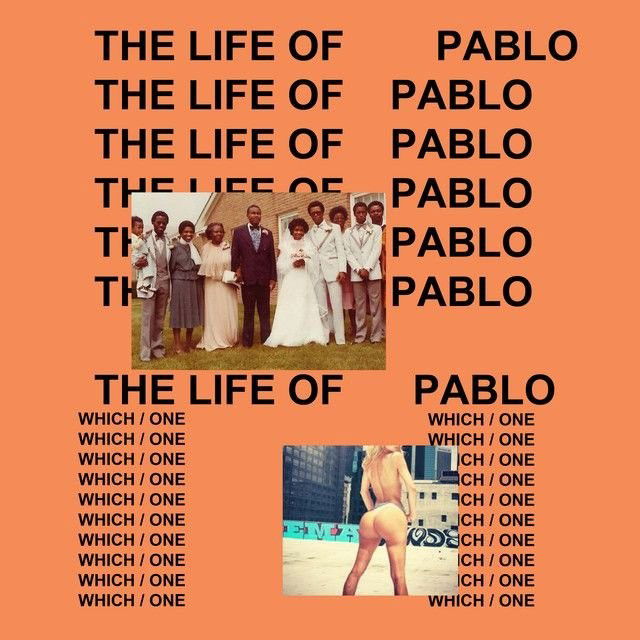
Famous by Kanye West, Rihanna
They don’t just ask what fame is—they test who gets to own it. The meaning of Famous Kanye West, Rihanna hinges on a charged clash between ego and empathy, staged like a block‑party gone courtroom. Rihanna’s velvet hook brushes against Kanye’s sharp boasts, and Swizz Beatz turns the room into a rally. The result is a song that sounds like victory but aches like a bruise.
"Famous" - Kanye West ft. Rihanna
Kinda hard to love a girl like me
I don't blame you much for wanting to be free
Loading lyrics...
Unable to load lyrics
We're unable to display the lyrics at this time. Please try again later.
Credit, Clout, and the Bruise Behind the Brag
At its core, the track debates authorship in modern celebrity. When Kanye claims I made that bitch famous
, he’s not simply taunting a rival; he’s asking a bigger question: Who writes the public story—artists, media, or viral moments? Rihanna counters that bombast with a refrain of care—lines like I just wanted you to know
frame fame as something that can’t fix private wounds.
Interpretation: The song is a wrestling match between two truths. Publicly, fame looks like power. Privately, it collapses under loneliness, pettiness, and the need to be seen as the author of one’s own myth.

Watch the official Famous
music video
Who’s Talking—and Who’s Being Talked About
The narrator is a first‑person performer toggling between bravado and confession. He riles the crowd with calls and ad‑libs, then pivots to vulnerability. Phrases such as Wake up, Mr. West
nod to his self‑mythology: the artist who keeps reinventing himself, even when it means playing the villain.
The audience inside the song keeps shifting. Sometimes it’s ex‑lovers and peers; sometimes it’s the arena itself. That movement mirrors how celebrity spreads on timelines—everyone watching, everyone addressed, nobody fully known.
The Line That Launched a Firestorm
One bar turned the track into a cultural flashpoint. The namedrop about Taylor Swift ignited a public back‑and‑forth over consent, misogyny, and who gets to narrate a woman’s success. Factually, the dispute spilled into press statements and televised moments, feeding the song’s notoriety long after release.
Interpretation: The provocation is intentional theater. By making the world argue about the sentence, the song demonstrates how fame eats nuance. Listeners either hear satire about credit or a harmful claim of ownership. The tension is the point—and the cost.
Hooks, Symbols, and Street‑Level Truths
Swizz Beatz turns the middle stretch into a party chant, riding the classic Bam bam
refrain. That nod to dancehall culture injects communal joy and defiance, reminding listeners that fame is also a neighborhood sport. When Kanye boasts we still hood famous
, he draws a line between local validation and mainstream gatekeeping.
The verses stack images of status—luxury cars, coastal drives, flights over debt—against the stubborn fact of mortality and legacy. The swagger spikes with We never gonna die
, a line that reads like gallows humor. Interpretation: the joke is that no amount of shine can outlast the story people tell about you; legacy is leased, not owned.
How the Sound Says What the Words Can’t
Rihanna’s hook channels the soul of a vintage ballad, softening the edges of Kanye’s taunts. The production blends bright, sample‑driven textures with hard, roomy drums. Sister Nancy’s “Bam Bam” sample supplies sunlight and rebellion; the classic torch‑song DNA behind Rihanna’s melody adds ache. It’s celebration scored with side‑eye.
Swizz’s crowd prompts make the track feel live and combustible, like fame in real time—fun until it turns. The arrangement keeps returning to Rihanna’s refrain, as if the song itself is trying to remember compassion while the verses run hot.
Meanings That Coexist, Not Compete
- Interpretation: Social critique. The song mocks the idea that any one person can manufacture another’s fame, exposing how credit claims are often gendered and opportunistic.
- Interpretation: Performance art. Kanye adopts an exaggerated heel persona to force listeners to confront their appetite for scandal.
- Interpretation: Class snapshot. “Hood famous” suggests a ceiling on cultural mobility—celebrated at home, contested elsewhere.
Each reading fits because the record builds a two‑room house: one room is a block party; the other is a courtroom. Listeners walk back and forth, feeling both the rush and the rot.
What Sticks After the Noise
As a piece of pop culture, “Famous” is unforgettable; as a study of credit and consequence, it’s messy by design. The song sells the thrill of being seen and the cost of being misseen. That’s the meaning of Famous Kanye West, Rihanna in a sentence: the spotlight can crown you and claim you—often at the same time.
Disclaimer: Song meanings are interpretive and can vary by listener; this analysis blends documented context with informed interpretation.
Sources
- https://en.wikipedia.org/wiki/Famous_(Kanye_West_song)
- https://pitchfork.com/reviews/albums/21406-the-life-of-pablo/
- https://www.rollingstone.com/music/music-news/timeline-of-the-kanye-west-and-taylor-swift-relationship-105917/
- https://genius.com/Kanye-west-famous-lyrics
- https://www.whosampled.com/Kanye-West/Famous/