Goliath by Karnivool: Rage, Denial, and Reckoning
The meaning of Goliath Karnivool centers on a violent wake-up call. The song sounds like a confrontation with someone who lies, hides, or keeps living in denial while damage spreads around them. Its words move between accusation, frustration, and a demand for truth, making the track feel less like a conversation and more like a final warning.
"Goliath" - Karnivool
I've seen your ways
Show yourself
Loading lyrics...
Unable to load lyrics
We're unable to display the lyrics at this time. Please try again later.
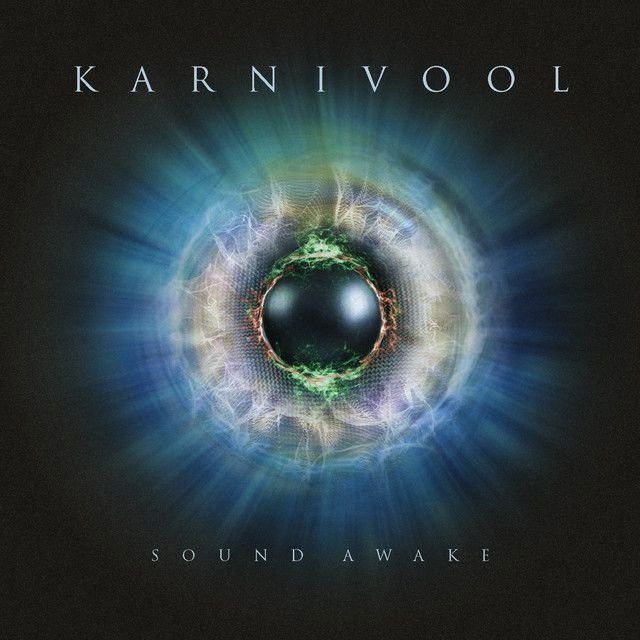
Karnivool released “Goliath” on their 2009 album Sound Awake, a record often praised for its layered writing and progressive rock scale. That context matters because this song does not unfold in a simple, linear way. Instead, it builds meaning through repeated images of sleep, waking, blood, and collapse.
The Core Conflict Hiding Inside the Song
At its heart, the song appears to be about seeing through a false front. Early lines suggest the speaker has watched this person closely and no longer accepts appearances. When the lyric pushes them to show yourself
, it is asking for the truth beneath the act.
The sleep imagery is key. The target seems physically awake but morally or emotionally numb. Phrases like sound of sleep
and the repeated calls to wake up suggest someone trapped in comfort, ignorance, or self-deception. The song treats that state as dangerous, not peaceful.
Interpretation: This could describe a toxic individual, but it could also point to a wider social habit: people choosing comfort over honesty until harm becomes impossible to ignore.
Watch the official Goliath
music video
A Speaker Full of Anger and Exhaustion
The voice in “Goliath” is not calm. They sound like someone who has tried patience and reached the end of it. Mid-song, the wording implies they once waited, protected, and endured. Now that patience has turned into disgust.
That shift gives the track its bite. The insults are harsh because the speaker believes this person has fed off others while avoiding accountability. The attack is not random; it comes from a sense of betrayal.
Why the “Wake Up” Section Hits So Hard
The emotional center of the song arrives with the repeated demand to wake up
. Here the song stops hinting and starts striking. It ties awakening to pain, guilt, and exposure, as if truth will arrive in the body before it arrives in the mind.
Please wake up
Please wake up
Those final pleas change the song slightly. After all the rage, there is still a trace of desperation. The speaker may hate what this person has done, but they still want recognition, not just punishment.
The Meaning of “Goliath” as a Title
The title invites a useful question: who or what is the giant here? In the Bible, Goliath is the massive enemy who looks unbeatable. Karnivool never spells out the link, but the title suggests a force that has grown too large through fear, denial, ego, or control.
Interpretation: The “Goliath” may be the person being addressed, someone inflated by lies and power. Another reading is that the giant is the problem itself, something everyone kept ignoring until it became monstrous.
That fits the song’s language of repetition and return. The line about things having shown up again
makes the threat feel cyclical. Nothing was solved; it just came back bigger.
Images of Blood, Sleep, and the Chopping Board
The song’s strongest images are blunt and physical. Blood in sweat suggests fear made visible. Sleep suggests avoidance. The chopping board image suggests judgment, consequence, and a point of no return.
These are not decorative details. They show how the song thinks denial works. First comes numbness, then exposure, then collapse. Even the line about being wide awake
while still asleep captures the central contradiction: a person can see what is happening and still refuse to face it.
That contradiction also expands the song beyond one villain. Many listeners hear it as a portrait of modern avoidance, where people know the truth at some level but keep drifting through the same pattern.
How the Music Carries the Message
Part of the meaning of Goliath Karnivool comes from its sound. Karnivool are known for progressive rock arrangements, shifting dynamics, and tense rhythmic design, and “Goliath” uses those tools well. On the album page, Sound Awake is credited as a major release in the band’s catalog, and this track helps show why.
The guitars feel heavy without becoming shapeless. The rhythm section pushes with a stalking, coiled energy, giving the song a sense of pressure before each outburst. Ian Kenny’s vocal moves between melody and attack, which mirrors the lyric’s swing between analysis and fury.
The repeated phrases matter musically too. Instead of sounding lazy, they create obsession. Every return feels like the speaker is trapped in the same unresolved conflict, circling the truth until it finally breaks open.
Two Strong Readings of the Song
Reading One: A Direct Confrontation
The most straightforward reading is personal. One person is confronting another who has lied, manipulated, or exploited trust. In that reading, the song is about finally naming the abuse and refusing to protect the guilty anymore.
Reading Two: A Wider Critique of Denial
A broader reading sees the song as social or psychological. The target could be any person, group, or system that survives by keeping people comfortable and half-asleep. In that version, the repeated call to wake up becomes a demand for moral awareness.
Both readings work because the song keeps its details vivid but its story slightly open.
Why “Goliath” Still Feels So Powerful
What makes “Goliath” memorable is the mix of intellect and force. It is angry, but not vague. It is poetic, but not distant. The song understands that denial can look quiet on the surface while causing real harm underneath.
For many listeners, that is the real meaning of “Goliath”: the moment when hidden corruption becomes too large to ignore, and someone finally says enough.
Interpretation disclaimer: Song meanings are not always confirmed by the band, so this reading is based on the lyrics, title, musical context, and common listener interpretation.








