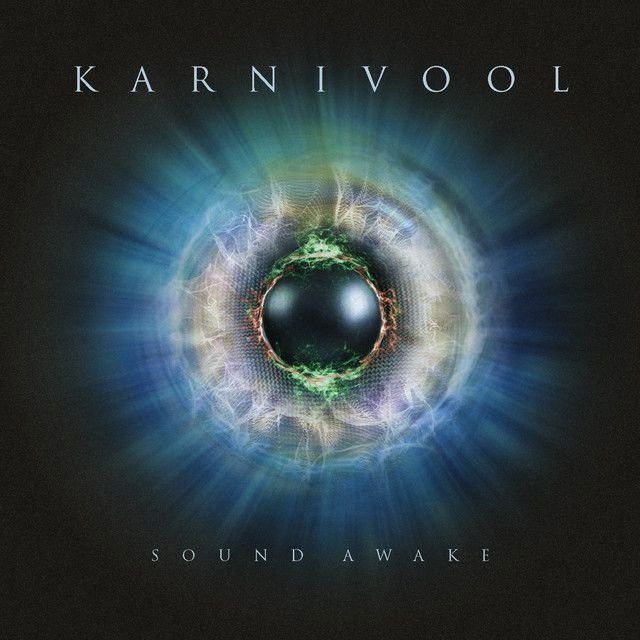
Set Fire to the Hive by Karnivool
Why This Song Still Hits Hard
The meaning of Set Fire to the Hive Karnivool centers on resistance. The song sounds like a public warning siren, but it also feels personal, as if the singer is waking up inside a system built to keep people passive. Rather than tell one tidy story, Karnivool stack images of pain, manipulation, faith, politics, and spectacle to show how control works.
"Set Fire to the Hive" - Karnivool
It seers through my hands, leaving skin on the wire
Awake in this womb with a crown sting in my self
Loading lyrics...
Unable to load lyrics
We're unable to display the lyrics at this time. Please try again later.
Released on the band’s debut album, Themata, the track helped introduce Karnivool as a heavy rock group that mixed aggression with progressive structure. That matters because the song’s meaning is not just in the words. It is also in the way the music shifts from tense restraint to explosive release.
Watch the official Set Fire to the Hive
music video
The Core Idea: Burn the System, Not the Self
At its heart, the song argues that people are being managed by institutions that claim to protect them. The speaker feels trapped in a medicated cage
, a phrase that suggests sedation, comfort, and control all at once. The target is broad on purpose: politics, religion, celebrity culture, and mass messaging all blur together.
The title image, set fire to the hive
, is the key metaphor. A hive is organized, efficient, and collective, but it also suggests a population moving by instinct. Interpretation: the song imagines society as a place where people are trained to serve the structure, even when that structure harms them. To burn the hive is to reject the false order.
How the Verses Build the Message
The opening lines begin in the body. The speaker is on fire
, and the pain feels immediate, almost chemical. That physical image makes the song’s social critique feel lived, not abstract. They are not calmly debating ideas; they are reacting to damage.
Soon the lyrics widen from private pain to public systems. When the song says the rules they don't explain
, it points to obedience without understanding. That line connects to one of the track’s most important questions: why do people keep following orders that make no moral sense?
A Short Map of the Song’s Movement
- The speaker wakes up in distress and senses that something is wrong.
- They identify a larger system of control built on fear and passivity.
- They attack the voices that sell lies as truth.
- They call for rupture rather than compromise.
That progression gives the song its force. It starts as confusion, turns into diagnosis, and ends in revolt.
Chorus as a Public Revolt
The chorus is where the song stops hinting and starts accusing. The most provocative phrase is I spit in the mouth
, which is less about literal blasphemy than total refusal. The speaker rejects any authority figure or belief system that enters the minds of the young and shapes consent early.
It's fiction, a faceless illusion
You've been had again
Those lines sum up the chorus. The song argues that power survives by turning inventions into accepted reality. Interpretation: Karnivool are not attacking spirituality itself so much as any authority that hides behind sacred language, public image, or ideology to avoid scrutiny.
Symbols of Control and Deception
Several recurring images deepen that message:
- Fire: pain, anger, and cleansing.
- Hive: social order, crowd thinking, and programmed labor.
- Cage: comfort used as confinement.
- Children: the future, and the vulnerability of young minds.
- Wrecking ball / pendulum: destructive cycles that keep swinging back.
The line about a violent pendulum
is especially strong because it suggests more than one side is involved. Power can swing between extremes, but ordinary people still get crushed either way. In that sense, the song is not partisan. It is suspicious of systems themselves, especially when they use spectacle to distract from collapse.
How the Sound Carries the Meaning
Karnivool’s arrangement helps explain why the track feels so urgent. The guitars are jagged and percussive, the rhythm section pushes hard, and Ian Kenny’s vocal moves between pressure and release. This creates a feeling of being cornered, then suddenly breaking through.
The band’s official artist page places them within Australia’s progressive heavy scene, and this song shows why. The riffs do not simply support the lyrics; they mimic the song’s emotional argument. Tight, repeating patterns suggest control and confinement, while the louder eruptions sound like rebellion trying to tear free.
This is also why the song stays memorable. It is not only angry in message. It is structured to make the listener feel that anger physically.
Possible Readings Beyond the Obvious
One reading is plainly political: the song attacks propaganda, public relations, and institutional power. Another reading is psychological. Interpretation: the hive could also represent groupthink inside a person’s own mind, where inherited beliefs keep repeating until they feel natural.
There is also a media reading. The references to sales pitches, pretty faces, and adoration fit a culture where charisma replaces truth. In that view, the song warns that manipulation often arrives dressed as entertainment.
Final Take on the Song’s Meaning
The meaning of Set Fire to the Hive Karnivool is a demand to wake up before obedience becomes identity. It portrays a world where systems sell both the illness and the cure, then ask for gratitude. The song’s fury comes from seeing that trap clearly.
What makes it powerful is that it never sounds detached. Karnivool turn social criticism into bodily panic, then into defiance. That is why the song still lands: it does not just say people are being manipulated. It makes that realization feel urgent.
Disclaimer: This interpretation is based on the lyrics, available band context, and the song’s musical presentation. As with many rock songs, listeners may hear different meanings in its imagery.







