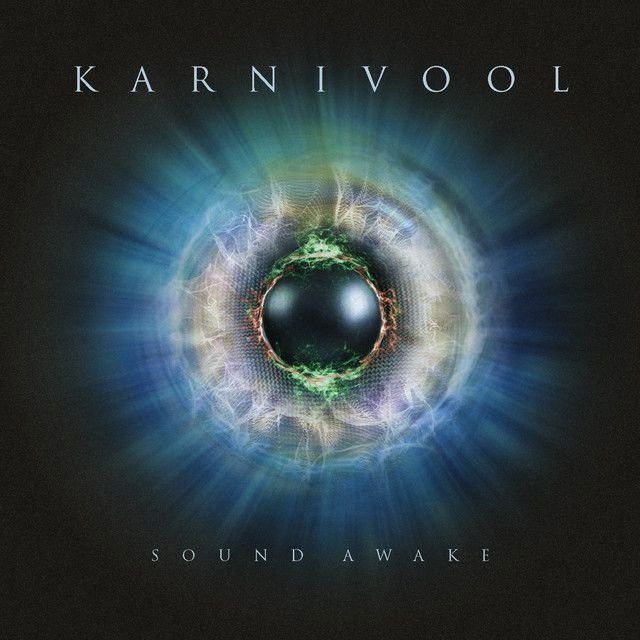
Umbra by Karnivool
Karnivool’s “Umbra” feels like a song trapped between numbness and confession. When people search for the meaning of Umbra Karnivool, they usually hear two things at once: a speaker trying to hide, and a speaker who knows hiding is no longer working.
"Umbra" - Karnivool
Me in your own way
Colour my eyes
Loading lyrics...
Unable to load lyrics
We're unable to display the lyrics at this time. Please try again later.
The title matters right away. In astronomy, an umbra is the darkest part of a shadow, where light is fully blocked, as defined by Wikipedia’s overview of the term. That image fits the song well. “Umbra” is not just about sadness. It is about living inside the most blocked-off part of the self.
The Core Meaning Lives in Shadow
At its heart, the song sounds like a portrait of emotional damage, addiction-like cycles, and self-protection. The speaker seems to want to be seen, but only on controlled terms. Early lines ask another person to paint me in your own way
, which suggests being shaped by someone else’s view instead of offering a clear self-portrait.
That tension drives the whole track. They hide feelings, question whether anyone understands, and keep returning to the same mental starting point. Interpretation: this makes “Umbra” feel less like a linear story and more like an inner spiral, where shame, dependence, and distrust keep feeding each other.
Watch the official Umbra
music video
A Voice Split Between Surrender and Resistance
One reason the lyrics hit so hard is their unstable point of view. The speaker sounds defensive in one moment, then exposed in the next. They insist on distance, but also admit attachment.
That split appears in short phrases like Why do I care?
and I’ll follow you home
. Put together, those ideas show a person who wants emotional independence yet remains tied to someone or something they cannot fully leave. That could be a lover, a harmful pattern, or even a version of themselves.
Who Might the “You” Be?
There are a few plausible readings:
- a romantic partner tied to conflict or dependency
- a manipulative force the speaker keeps returning to
- a symbol for alcohol, escape, or compulsion
- the speaker’s own darker instincts
Interpretation: the song works because it never locks into just one answer. Its ambiguity mirrors confusion itself.
The Chorus Turns Pain Into Avoidance
The clearest image in the song is also its harshest. The line about being hit with a bottle and sleeping until sobriety returns presents pain and recovery in one breath. Rather than face the crisis directly, the speaker imagines being knocked out until the worst has passed.
Wake me with a bottle 'cross the headI'll sleep 'til it's over
This is the article’s strongest clue that “Umbra” deals with avoidance as much as suffering. The desire is not to solve the problem, but to skip consciousness until the storm ends. Interpretation: that makes the song feel closely connected to addiction, dissociation, or emotional shutdown, even if the lyrics never reduce themselves to a single diagnosis.
Luck, Control, and the Trap of Starting Over
Another key theme in the meaning of Umbra Karnivool is the fight between fate and agency. The speaker says they do not feel safe, and they do not trust the idea that life is just luck. They try to make sense of cause and effect, but every time they think they understand the pattern, the pieces shift.
That image of pieces moving and returning to the start is important. It suggests relapse, recurring conflict, or a mind that cannot hold steady conclusions. This is not simple frustration. It is the exhaustion of doing emotional math and still ending up lost.
The Sound Makes the Meaning Heavier
“Umbra” appears on Karnivool’s 2009 album Sound Awake, and the band is known for progressive rock textures, layered guitars, and dramatic shifts in intensity. Those traits matter here.
The music supports the lyric meaning by refusing to settle. The rhythm section pushes forward, while the guitars create tension rather than comfort. Ian Kenny’s vocal approach also helps: he often sounds like he is balancing clarity with strain, which suits a lyric built on mixed signals and unstable ground.
Interpretation: the arrangement feels like mental pressure made audible. The song swells, pulls back, and swells again, echoing the cycle of trying to recover, slipping, then trying again.
Religious and Moral Imagery Raise the Stakes
Near the end, the language becomes more severe. Words like “sinner,” blood, promises, and standing or falling make the conflict feel moral as well as emotional. The speaker is not only hurt; they seem to feel judged, bound, or condemned.
The phrase organized recovery
is especially sharp. It sounds clinical and controlled, yet the song itself feels chaotic. That contrast may point to treatment, ritual, or any system meant to fix pain neatly when real pain is never neat.
Then the closing ideas about a wasted promise
and being left alone bring the song to a bitter end. Trust has broken down. Whatever was supposed to save the speaker now feels hollow.
So What Is “Umbra” Really Saying?
The best reading is that “Umbra” captures life in a psychological shadow: wanting help, resisting help, craving relief, and mistrusting every source of relief. It is about concealment, dependency, and the fear that even recovery can become another script.
That is why the title works so well. In the darkest part of a shadow, visibility disappears. Karnivool turn that image into a song about inner blockage—what happens when someone cannot fully face their pain, yet cannot escape it either.
For listeners, the power of the track is not that it explains everything. It is that it makes confusion feel precise.
Disclaimer: This interpretation is based on the lyrics, title, and publicly available context. As with many Karnivool songs, ambiguity is part of the design, so other readings may also be valid.







