Lethean by Katatonia: Meaning in the Fog
Why This Song Feels Like a Memory You Cannot Hold
The meaning of Lethean Katatonia centers on emotional numbness, grief, and the urge to disappear from pain. Even before a listener studies the words, the title points the way. “Lethean” suggests the River Lethe from Greek myth, the river of forgetting, which makes the song feel tied to memory loss, escape, and oblivion.
"Lethean" - Katatonia
Is the pattern going to speak for you
How far can your voice reach
Loading lyrics...
Unable to load lyrics
We're unable to display the lyrics at this time. Please try again later.
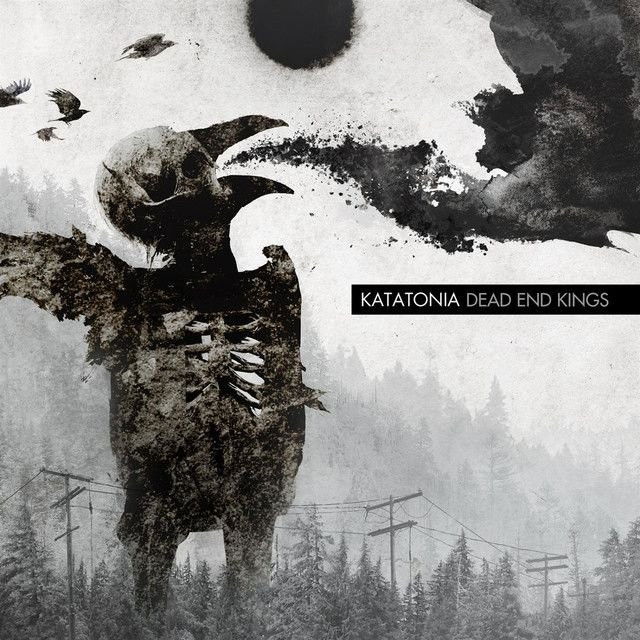
Katatonia released “Lethean” on Dead End Kings in 2012, a period when the Swedish band was leaning into a cleaner, atmospheric form of dark rock and metal while keeping their usual sadness and emotional distance intact. The song is credited to Jonas Renkse and Per Eriksson, matching the blend of intimate writing and textured guitar work that defines this era.

Watch the official Lethean
music video
The Core Meaning: Grief, Distance, and the Pull of Oblivion
At its heart, the song sounds like one person speaking to someone who is fading away, whether through depression, overdose, death, or emotional withdrawal. The lyrics never explain everything in direct terms. That vagueness is part of why the song hits so hard.
The opening questions create that uncertainty. When the narrator asks how long a pattern will keep speaking and how far a voice can reach, they seem to be wondering whether this person still has any real agency left. The line cyan blue
adds a cold, dreamlike color that feels detached rather than comforting.
Interpretation: The song may be about watching someone slip beyond contact. It could be literal death, but it could also be a state where they are physically present and emotionally gone.
A Relationship Already Breaking Apart
The middle of the lyric gives the clearest emotional clue. The narrator remembers shared plans and then admits the other person “couldn’t make it.” That line changes the whole song. Suddenly, this is not just abstract sadness. It becomes a story of interruption, absence, and unanswered waiting.
One of the song’s most striking moments is the reference to pills. The phrase you left me with the pills
suggests aftermath: objects, guilt, and a scene that still has not emotionally settled. It is a small detail, but it grounds the song in something painfully real.
We had plans
but you couldn't make it
Those brief lines carry huge weight because they reduce tragedy to ordinary disappointment. Instead of grand language, the loss appears in broken routine. That makes the grief feel more believable and more cruel.
The Images of Nature and Color
Katatonia often use landscape and weather to mirror inner states, and “Lethean” is full of that method. The song moves through night, trees, high grass, winter, river, and skyline. None of these images are random.
Winter here seems tied to emotional freezing. When the lyric asks how long winter can color every word, it suggests a mind so overtaken by pain that even speech turns cold. The river image matters too. Since “Lethean” echoes Lethe, the river can be read as a border between memory and forgetting, life and surrender, attachment and release.
The color words are just as important. cyan blue
and carmine red
hint at split perception: cold distance versus raw feeling, numbness versus danger. The lyric also mentions hyperopia
, a term for farsightedness. That may imply distorted vision—seeing what is far away while failing to grasp what is right in front of them.
Interpretation: The song’s colors and visual terms suggest a mind in altered perception, as if grief changes not only emotion but sight itself.
What the Narrator Seems to Be Doing
There is a loose storyline in the lyric, even if it stays fragmented:
- They observe someone in distress from a distance.
- They remember a time when this person needed them.
- They revisit a failed meeting or interrupted plan.
- They move toward acceptance, symbolized by the river.
The repeated question what took you so long
can be heard in two ways. It could express anger at someone who arrived too late. Or it could be a bitter question aimed at death, collapse, or the final break itself.
That ambiguity is central to the meaning of Lethean Katatonia. The song is less interested in plot than in emotional aftermath.
How the Sound Deepens the Meaning
The music supports the lyric’s foggy sorrow. “Lethean” balances heavy guitars with clean, spacious textures, creating a floating feeling instead of a blunt attack. The drums move steadily rather than violently, which gives the song the feel of an inescapable current.
Jonas Renkse’s vocal style is crucial. They do not sound theatrical or explosive here. They sound restrained, weary, and almost conversational, which fits the subject matter. That calm delivery makes the song feel more haunted, as though the speaker is already emotionally exhausted.
The production also avoids clutter. Space in the mix lets each phrase hang in the air, matching the themes of absence and fading memory. Rather than dramatizing pain, the arrangement lets sadness seep through slowly.
Two Strong Ways to Read “Lethean”
Reading One: A Song About Death or Overdose
The details about pills, missed plans, and a final river all support a reading where the narrator is dealing with a death, possibly self-inflicted. In this view, the song captures shock after the event rather than the event itself.
Reading Two: A Song About Depression and Emotional Erasure
It can also be read as a portrait of severe depression. Here, “forgetting” is not death but the loss of self. The person being addressed is still there, yet unreachable, frozen by inner winter and unable to return to shared life.
Both readings work because Katatonia leave space for listeners to bring their own loss into the song.
Why “Lethean” Still Resonates
“Lethean” lasts because it avoids easy explanation. It gives listeners fragments: cold colors, a missed meeting, a river, a question with no answer. From those fragments, they build a powerful portrait of grief and emotional disappearance.
For many listeners, the song’s strength is that it sounds both intimate and distant at once. It speaks plainly, but never fully explains itself. That is often how real grief feels.
Disclaimer: This interpretation is based on the released lyrics, title, and musical context. As with many Katatonia songs, meaning remains partly open to the listener’s own reading.








