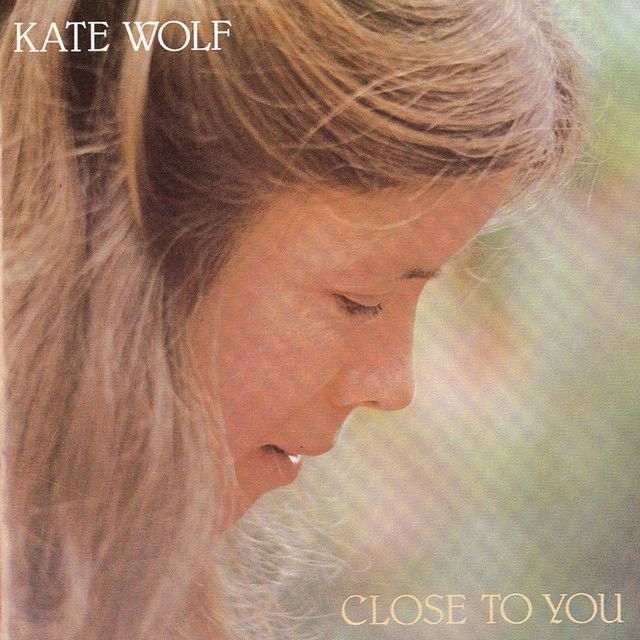
Across the Great Divide by Kate Wolf
Why This Song Still Feels So Close
The meaning of Across the Great Divide Kate Wolf centers on memory, change, and the hard moment when a person realizes life has moved on. Kate Wolf wrote the song, and it has endured as one of the best-known pieces in her singer-songwriter catalog. It has also been covered by artists including Nanci Griffith and Kyle Carey, which shows how widely its themes travel.
"Across the Great Divide" - Kate Wolf
Countin' troubles 'stead of countin' sheep
Where the years went I can't say
Loading lyrics...
Unable to load lyrics
We're unable to display the lyrics at this time. Please try again later.
At its core, the song is about standing at an emotional threshold. The narrator looks back on lost time, old stories, and someone who now seems beyond reach. The title image, the “great divide,” suggests more than a physical place. It feels like the line between past and present, closeness and distance, even life and death.

Watch the official Across the Great Divide
music video
A Speaker Lost Between Yesterday and Today
From the start, the song places the speaker in a restless state. They describe walkin' in my sleep
, which suggests living on autopilot while carrying quiet worry. The next image, counting troubles instead of rest, deepens that feeling: this is someone who cannot settle because the past keeps pressing in.
The song then turns toward history and memory. The speaker is siftin' through the layers
of old material, trying to recover a story they once knew well. That image of dusty papers and faded books matters because it frames memory as something fragile. The past is not fully gone, but it is hard to hold.
This is where the song becomes emotionally powerful. It is not simply nostalgic. It recognizes that time has moved without asking permission. When the narrator says life has slipped into yesterday, the song captures a common adult shock: they turn around, and whole years have vanished.
The Chorus Turns Landscape Into Emotion
The chorus is the song’s key to meaning. The speaker finds themselves on the mountainside
, in a place where the rivers change direction
. In plain terms, that landscape marks a turning point. Rivers usually stand for movement and time, so a place where they shift course suggests a life being redirected.
Interpretation: the “great divide” can be heard in at least two ways:
- a personal divide between who the speaker was and who they are now
- a spiritual divide between the living and someone who has gone beyond reach
That second reading gains force in the middle verse, when the song mentions an owl calling in the falling night and someone gone across a border. The border image makes separation feel final. Wolf does not explain it directly, which is part of the song’s grace. They leave room for grief, longing, and mystery to coexist.
It's where the rivers change direction
Across the Great Divide
Those lines are simple, but they carry the whole song. The divide is not just a place on a map. It is the point where a life, a relationship, or an identity can no longer continue in the old direction.
Nature Imagery Gives the Song Its Depth
Kate Wolf often wrote with plain language and natural imagery, and that style is central here. Mountains, rivers, nightfall, and an owl are not decorative details. They act like emotional landmarks.
A few of the song’s strongest symbols work like this:
- Mountainside: a high, exposed place of reflection
- Rivers: time, motion, and forces bigger than one person
- Night and dawn: despair giving way to clarity
- Owl: a messenger tied to intuition, solitude, or loss
The most hopeful lines arrive near the end, when the song praises the hour between darkness and daybreak. That is a beautiful way of saying that relief does come, even if it comes slowly. After so much backward-looking sorrow, the song finally suggests renewal.
How the Sound Carries the Meaning
The arrangement matters as much as the words. As a singer-songwriter work, the song leans on acoustic textures and a gentle, unhurried pace rather than dramatic production. That understated sound supports the lyric’s reflective mood.
Wolf’s vocal style is key. They sing with warmth and restraint, which keeps the song from becoming melodramatic. The performance feels conversational, as if they are sharing a realization rather than announcing a grand tragedy.
Interpretation: this calm musical setting makes the emotional divide feel even larger. Instead of pushing grief outward, the song lets listeners feel it internally. The likely folk instrumentation—acoustic guitar, soft accompaniment, and open space in the arrangement—mirrors the wide landscape of the lyric.
Artist Context Helps Explain the Song’s Power
Kate Wolf remains an admired figure in American folk and singer-songwriter music, known for clear storytelling and emotional honesty. The fact that others have kept returning to this song speaks to its flexibility. Different singers can bring out different shades of meaning: homesickness, aging, heartbreak, bereavement, or spiritual crossing.
That lasting appeal also comes from how little the song overexplains. It never traps itself in one event or one biography. Even though Wolf wrote it, listeners can place their own losses inside it. That is often why a folk song lasts.
The Best Way to Read the Ending
By the final verse, the song has moved from confusion toward acceptance. It does not erase pain. Instead, it places pain inside a larger cycle. Night falls, then breaks. Rivers turn. People change. Memory fades, yet some truths remain.
So what is the meaning of Across the Great Divide Kate Wolf? The song is about reaching the edge of one life chapter and seeing another beyond it. It mourns what is gone, but it also honors the thin hour when darkness starts to lift.
That balance is what makes the song so moving. It understands sorrow, yet it does not stay trapped there.
Final Thought
One listener may hear a song about aging; another may hear bereavement or spiritual separation. Interpretation: both readings fit the imagery and tone. That openness is part of the song’s art.
Disclaimer: Song meaning is always partly interpretive. This reading is based on the lyrics, Kate Wolf’s style, and the song’s folk context, but other listeners may hear it differently.







