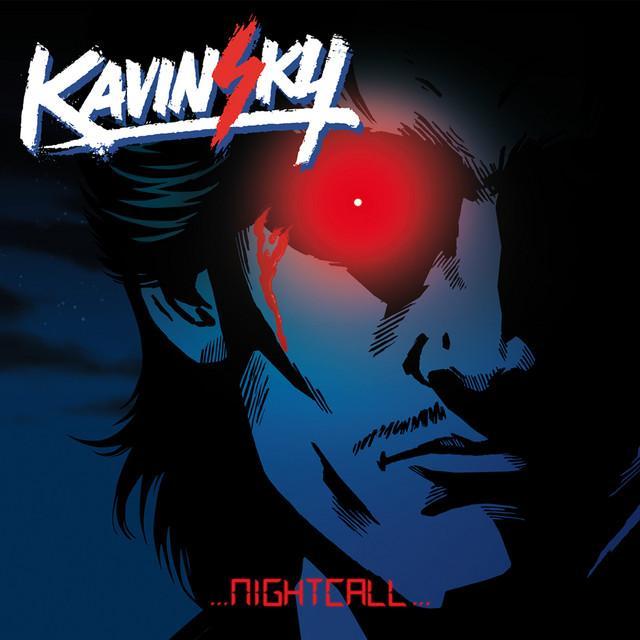
Pacific Coast Highway by Kavinsky
Why This Night Drive Feels Like a Myth
The meaning of Pacific Coast Highway Kavinsky starts with a simple idea: this is not just a song about driving. It is a short, eerie story about a police chase turning into something impossible.
"Pacific Coast Highway" - Kavinsky
Well, things are about to get a whole lot stranger
This mysterious driver tricks cops into thinking he's about to pull over
Loading lyrics...
Unable to load lyrics
We're unable to display the lyrics at this time. Please try again later.
The lyrics read like crime-scene narration. They describe officers watching a reckless driver who seems ready to surrender, only for the scene to become stranger by the second. By the end, the police are left with only vanishing taillights
and a legend they cannot explain.
That setup fits Kavinsky’s whole artistic world. The French producer built a persona around night roads, fast cars, and supernatural cool, especially around the era of Nightcall, the EP that includes this song. The title is also listed on the Kavinsky entry in the broader "Pacific Coast Highway" music references on Wikipedia.
Watch the official Pacific Coast Highway
music video
A Chase Story Told Like Urban Legend
Unlike many songs that use verses for personal emotion, this one works like a narrated film trailer. The opening warns that things are about to get
stranger, which prepares listeners for a move away from realism.
The story then unfolds in a clear line:
- Police think the driver may stop.
- The driver swerves wildly and confuses them.
- The car seems to slip beyond normal speed.
- It appears to disappear.
- The officers are left with the myth of the
Ghost Car
.
That last image matters most. The lyrics do not just celebrate rebellion. They show authority reaching the limits of what it can understand. The mystery is the point.
What the Driver Represents
More Than a Person Behind the Wheel
Interpretation: The driver can be heard as a fantasy figure, not a fully human character. They are described almost like a demon, phantom, or movie antihero. Phrases like man possessed
push the story from a normal police chase into horror territory.
That makes the driver feel symbolic. They stand for pure escape: from rules, from capture, and maybe even from physical limits. The car becomes an extension of that identity, turning speed into a kind of magic.
Why the Police Matter
The police are not deeply developed, but that is important too. They function as witnesses. Their confusion gives the story its power. If even they cannot explain what happened, the event becomes legend.
The line about the officers seeing only an intact fence
leaves the ending hanging in the air. Did the car jump it? Pass through it? Vanish completely? The song refuses to solve that question.
The Heart of the Meaning: Escape Beyond Logic
The strongest reading of the meaning of Pacific Coast Highway Kavinsky is that it turns a car chase into a dream of total disappearance. Lots of songs celebrate freedom on the road. This one takes that idea further by asking what freedom would look like if it broke reality itself.
Instead of open-road peace, the freedom here is aggressive, unstable, and thrilling. The highway is not a place for reflection. It is a borderland between the real world and the supernatural.
That is why the lyrics keep escalating. A turn becomes a move into the twilight zone
. Speed becomes something almost paranormal. The driver is not merely faster than the police; they seem to obey different rules.
How Kavinsky’s Style Deepens the Story
Kavinsky is closely associated with retro synth sounds, night-driving moods, and cinematic storytelling, especially through releases like Nightcall. Even when lyrics are sparse or stylized, the production usually carries a lot of narrative weight.
Here, that matters because the words alone are brief and visual. The likely effect of the track’s electronic production is to make the chase feel cold, mechanical, and unreal. Synth textures often suggest neon lights, empty streets, and machine precision. In a song about a ghostly getaway car, that sound world does a lot of work.
Interpretation: The music likely makes the driver feel less like a reckless person and more like an unstoppable force. That difference is key. A rock arrangement might make the story feel rebellious. A sleek electronic backdrop makes it feel mythic.
A Cinematic Link in Kavinsky’s Persona
Kavinsky’s image has long drawn from car culture, horror films, and 1980s-style action aesthetics. That context helps explain why this song feels so visual. It does not aim for diary-like honesty. It aims for atmosphere.
In that sense, the lyrics are almost screenplay notes:
all hell breaks loose
The Ghost Car
Even in those very short phrases, the language sounds like a narrator describing footage, not a singer confessing pain. That distance gives the track its pulp-fiction charm.
Final Take on the Song’s Message
So what is "Pacific Coast Highway" really about? At its core, it is about the seduction of becoming impossible to catch. The song turns speed into myth and mystery into identity.
Interpretation: Listeners can hear it as a supernatural chase, a fantasy of escaping authority, or a stylized portrait of nightlife where machines seem alive. All three readings fit because the song is designed to feel bigger than literal plot.
That is what makes the meaning of Pacific Coast Highway Kavinsky memorable. It leaves behind an image, not a lesson: a road at night, confused police, and taillights fading into something no one can explain.
Disclaimer: This interpretation is based on the song’s lyrics, style, and Kavinsky’s artistic persona. As with most art, other readings are possible.








