Is It Any Wonder? by Keane
A pop-rock panic attack with a purpose
The meaning of Is It Any Wonder? Keane starts with a feeling many listeners recognize: being overwhelmed by the world and unsure what to believe. On the surface, the song sounds like a fast, catchy piano-rock single. Under that hook, though, it is a song about moral confusion, public anxiety, and the exhaustion of living through conflict.
"Is It Any Wonder?" - Keane
I always thought that I knew
I'd always have the right to
Loading lyrics...
Unable to load lyrics
We're unable to display the lyrics at this time. Please try again later.
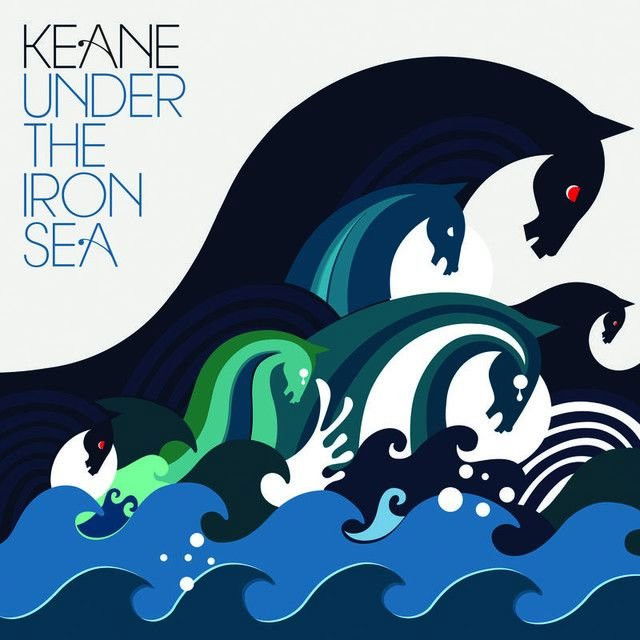
Keane released the track in 2006 as the second single from Under the Iron Sea. According to the song’s Wikipedia entry, it reached No. 3 in the UK and No. 1 on U.S. Adult Alternative Airplay. That success matters because it shows how a tense, politically charged song could still connect with a broad pop audience.

Watch the official Is It Any Wonder?
music video
What the song is really saying
Factually, songwriter Tim Rice-Oxley explained that the song was shaped by dismay over Britain’s role in the Iraq War and wider conflict in the Middle East. In a brief quote preserved in reporting around the song, he described it as expressing confusion about what citizens are supposed to believe. That makes the central message less about a speech or slogan and more about emotional fallout.
The narrator begins from confidence and then watches that certainty collapse. Early on, they think they belong to the side of good and truth
. Soon after, that confidence looks naive. The song’s tension comes from this fall: the speaker once felt sure, and now they feel tricked, embarrassed, and politically lost.
Interpretation: That shift can be heard as a portrait of a generation confronting war, media spin, and national identity. The song does not claim to solve those issues. Instead, it captures what it feels like when public events make private life feel unstable.
How the verses build a crisis of belief
The most striking thing about the verses is how quickly they move from certainty to disorientation. The speaker does not just feel sad. They feel mentally cornered. Short phrases like I'm tired
and feel uptight
make that stress physical.
The key question in the chorus, don't know what's right
, turns the song into more than a complaint. It becomes a crisis of judgment. They are not only hurt by events; they are afraid of choosing the wrong moral position in a world full of noise.
That idea deepens in the second verse, where the song suggests a social world that feels artificial and out of joint. The line about love being just a lyric
implies that even comfort, beauty, and sincerity can feel fake when history gets ugly. Everyday language no longer seems strong enough.
Is it any wonder I'm tiredIs it any wonder that I feel afraid
This is the article’s clearest lyrical window into the song’s emotional center. The repeated question is rhetorical. Of course they are tired. Of course they are afraid. The point is not to ask for answers but to show how obvious the damage feels.
The images of emptiness and betrayal
One of the song’s strongest images is the old cathedral
. Rather than presenting a place of comfort, it feels empty inside. That matters because a cathedral usually suggests faith, values, and stability. Here, those things seem hollow.
Interpretation: The cathedral may stand for national identity, organized belief, or old moral systems that no longer reassure anyone. If the speaker once trusted institutions to tell right from wrong, that trust has now broken down.
The song also circles the idea of betrayal. In the provided lyrics, the word appears in a misspelled form, but the meaning is clear. The speaker feels not only confused but let down. That could refer to government, culture, media, or even their own earlier certainty.
Why the sound matters so much
Keane were often known for piano-led songs rather than guitar-heavy rock. That is why this track hits differently. As noted in the song’s release history and composition details, Tim Rice-Oxley used a distorted Yamaha CP70 piano to create a harsh, guitar-like riff. Produced by Andy Green, the song pushes that sound hard.
At around 130 beats per minute, it moves with urgency. The pounding piano, sharp drums, and clipped vocal phrasing create a nervous drive. Tom Chaplin does not sing like someone calmly reflecting. He sounds pressured, like the thoughts are arriving faster than they can be sorted.
That production choice is central to the meaning of Is It Any Wonder? Keane. The band do not simply tell listeners that the world feels unstable; they make the track itself feel unstable, tense, and crowded.
Context, reception, and lasting meaning
The song arrived in a period when the Iraq War shaped public debate in Britain and the United States. Keane did not write a protest anthem in the classic chant-along sense. They wrote something more intimate: a song about what war does to inner life.
That may explain why it traveled well. Its chart success in both the UK and U.S. suggests listeners connected with its broader emotional truth. Even without focusing on the specific politics of 2006, people can still hear themselves in its burnout, doubt, and need for moral clarity.
A final reading of the song’s heart
The best way to understand this track is as a song about the collapse of certainty. It starts with belief, passes through humiliation, and lands in anxious self-questioning. The repeated title is not dramatic for its own sake. It is the sound of someone trying to prove that their distress makes sense.
Interpretation: Keane turn political unease into personal language, which is why the song still lands. It is not only about one war. It is about what happens when a person no longer trusts the stories their country tells them.
This article offers an interpretation based on the lyrics, known band comments, and release context. Like most songs, Is It Any Wonder? can support more than one reading.







