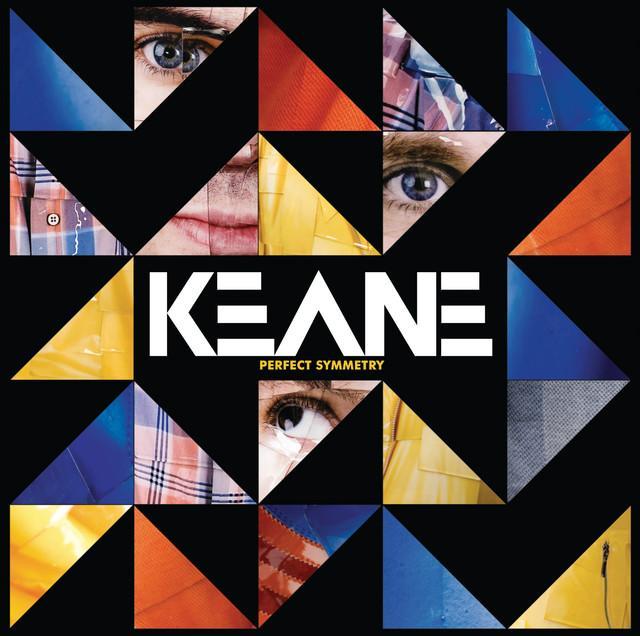
Perfect Symmetry by Keane
Keane’s “Perfect Symmetry” sounds bright, sleek, and almost celebratory at first. But the meaning of Perfect Symmetry Keane is much darker than its shiny surface suggests. Beneath the punchy rhythm and pop-rock energy, they build a song about consequence, confusion, and the uneasy idea that life gives back exactly what people put into it.
"Perfect Symmetry" - Keane
Scrolling through the paragraphs
Clicking through the photographs
Loading lyrics...
Unable to load lyrics
We're unable to display the lyrics at this time. Please try again later.
Released in 2008 as the title track and third single from the band’s third album, “Perfect Symmetry” marked a clear step away from the soft piano melancholy many listeners knew from earlier Keane material. According to Wikipedia’s song entry, it was released on December 29, 2008, recorded at Teldex in Berlin, and produced by Keane themselves. That context matters, because the song’s colder, more mechanical edge fits its worldview.
The Big Idea Hiding in the Hook
At the center of the song is a blunt moral equation. When the chorus says life is lived in perfect symmetry
, it is not praising balance in a peaceful sense. It sounds more like a warning: actions echo back, harm repeats, and people stay trapped in cycles they help create.
The key follow-up line, paraphrased, says that whatever a person does will return to them. That turns the song into a meditation on reciprocity, but not the warm kind. This is cause and effect with teeth. In the song’s world, violence leads to more violence, empty habits lead to emptier lives, and certainty never quite arrives.
Interpretation: They seem to present symmetry as both justice and curse. It promises order, yet that order feels bleak because it means people cannot escape the systems they feed.
Watch the official Perfect Symmetry
music video
A Narrator Lost in Modern Noise
The opening images throw the listener into wreckage, then into information overload. The narrator is searching for meaning through screens, documents, and images, using phrases like scrolling through the paragraphs
and clicking through the photographs
. Instead of clarity, they find more chaos.
That detail makes the song feel very modern for 2008. The character is not just standing in ruins; they are trying to understand ruin through media, commentary, and endless analysis. Later, the song even mentions I dream in emails
, which pushes the idea further. Daily life has become processed, digitized, and emotionally worn out.
Questions Instead of Answers
A major part of the song’s power comes from the questions it asks. Who are people? What are they living for? What are they fighting for? Those questions do not get resolved. Instead, the song keeps circling them, as if modern life has made purpose harder to grasp.
One verse suggests that after reading page after page of explanation, people are still no closer to truth. That is one of the sharpest ideas in the track. Information is everywhere, but wisdom is not. The more the narrator looks for a final score or final answer, the less certain everything becomes.
Interpretation: This can be heard as social criticism. They may be describing a culture full of commentary, ideology, and argument, yet starved of real meaning.
Mortality Makes the Song Sting
The most direct emotional turn comes when the song rejects comforting afterlife language. It says life may be harsh and brief, and there is no golden gate
waiting at the end. That does not just make the song sad. It makes every earlier question feel urgent.
If there is no easy reward later, then what people choose now matters more. The title idea of symmetry becomes sharper: if this life is the only stage, then every act, wound, and moment of love carries extra weight.
As the needleslips into the run-out grooveLove, maybe you feel it too
This brief image compares life to a record nearing its end. The music is almost over, but there is still a reaching gesture toward connection. That is one of the song’s most human moments.
City Images, Empty Rituals, and Social Decay
Later lines sketch a crowded but spiritually thin world. There are rushed commutes, tired phrases, churchgoing without conviction, and a general sense that public life has become fragmented. The phrase hide in churches
is especially pointed. It does not attack faith in a simple way; it suggests avoidance, fear, or people seeking cover instead of truth.
Then there is the command to leave town while there is still time. That gives the song a faint escape narrative, but even that feels unstable. The city is noisy and seductive, full of voices and momentum. The narrator seems both drawn to it and disgusted by it.
How the Sound Supports the Meaning
One reason the meaning of Perfect Symmetry Keane lands so strongly is the contrast between words and sound. Keane were known for piano-led, emotional songs, but this track leans harder into glam-pop polish, driving drums, and a sharper rhythmic attack. The arrangement feels brisk and bright, which makes the fatalism underneath more striking.
That tension is the point. The music moves like confidence, while the lyrics describe uncertainty and decline. Even the title track’s production choice reflects a kind of symmetry: catchy surface, anxious core.
The song’s visual presentation reinforced that idea too. The music video used mirrored spaces and carefully aligned objects, turning symmetry into a visible concept rather than just a lyrical one.
Why the Song Still Connects
Although the single did not become one of Keane’s biggest chart hits, its themes have aged well. The overload of analysis, the feeling of living through screens, the doubt toward grand answers, and the fear that society keeps repeating its own damage all feel current.
What keeps the song from becoming hopeless is its small reach toward love and contact. Even in a world of wreckage and repetition, the narrator still asks whether someone else feels it too. That question does not solve the song, but it gives it heart.
Final Reading: Symmetry as Fate and Responsibility
In the end, “Perfect Symmetry” is about living in a world where actions rebound, certainty fails, and mortality strips away illusions. Interpretation: They seem to argue that people cannot rely on heaven, ideology, or endless analysis to rescue them. They only have the lives they are making together, and those lives reflect back what they create.
That is why the song feels both intellectual and emotional. It studies systems, but it hurts on a personal level too.
Disclaimer: This interpretation is based on the lyrics, release context, and documented song details. As with any song, listeners may hear different meanings in it.








