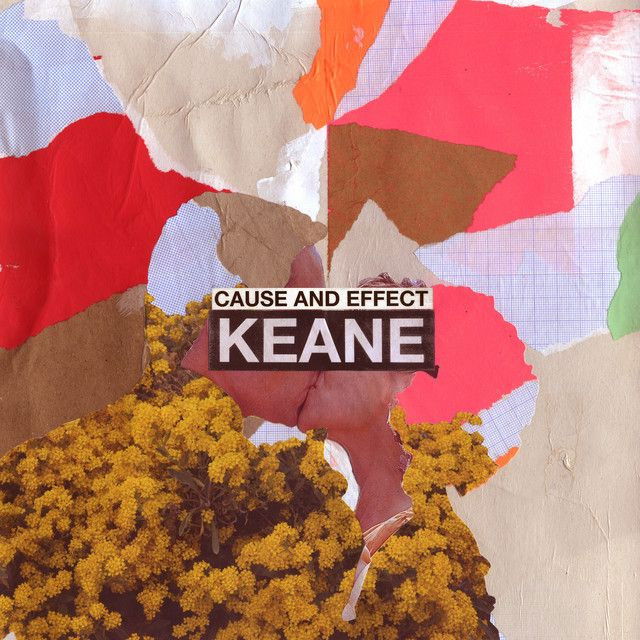
Stupid Things by Keane
A portrait of guilt hiding in plain sight
The meaning of Stupid Things Keane centers on shame, denial, and the damage caused by repeated bad choices. The song is not about one mistake in isolation. It is about a pattern: a person knows they are hurting someone they love, keeps lying, and still cannot stop.
"Stupid Things" - Keane
I've done something stupid again
It's not that I don't love you, I do
Loading lyrics...
Unable to load lyrics
We're unable to display the lyrics at this time. Please try again later.
Right from the start, the narrator admits failure. The opening idea is simple and painful: they have done something wrong again. When the song says done something stupid again
, it frames the speaker as someone trapped in a cycle. They are not confused about what they are doing. They know it is selfish, and that self-awareness makes the song sadder.
This is what gives the track its sting. It is not a story of innocence or misunderstanding. It is a confession from inside a collapsing moral life.

Watch the official Stupid Things
music video
Who they are talking to matters most
The song addresses a partner, and that direct address shapes the whole meaning. This is not a private diary entry. It feels like a guilty explanation offered to someone who has already heard too many excuses.
That is why lines about love matter. The narrator insists the feeling is real, but that claim sits next to deception. The phrase little lies and alibis
shows how love and betrayal now live side by side. In plain terms, they may care about the other person, but they are still making choices that break trust.
There is also family detail in the lyric about missing the kids' bedtime. That small domestic image broadens the damage. The song is not only about romance. It is about a home life being weakened by absence, secrecy, and emotional neglect.
The story unfolds through everyday excuses
One of the song's sharpest moves is its use of ordinary-sounding explanations. The narrator talks about work running late, a dead phone, and sleeping in town. None of these excuses sound dramatic on their own. Together, they build a believable routine of dishonesty.
Here is the emotional logic of the verses:
- The narrator admits a fresh mistake.
- They give reasons that sound familiar and practical.
- Those reasons pile up until they reveal a hidden second life.
- Both people seem to know the truth, but neither fully says it.
The most cutting image is the second phone
. That detail suggests secrecy in a modern, specific way. It implies hidden conversations, divided loyalties, and a deliberate attempt to manage two realities at once.
And you feel like a fool
And we both just play along
This short refrain captures the emotional center of the song. The betrayal is not only in the act itself. It is also in the shared performance afterward, where one person lies and the other person is pushed into silent acceptance.
What the chorus really says about complicity
The repeated hook turns the title into something darker than casual regret. A “stupid thing” might sound small, almost accidental. But the chorus makes clear that these are not harmless slipups. They are choices with consequences.
Interpretation: the title may be intentionally understated. By calling these acts “stupid,” the narrator minimizes them, perhaps because naming them honestly would be too painful. That gap between the mild word and the severe damage is part of the song's power.
Another key phrase is we both just play along
. This suggests a relationship where truth has become unbearable. The partner may not believe the excuses anymore, but confronting them would force a final reckoning. So the couple stays in a painful script: one keeps lying, the other keeps enduring.
Money, status, and the trap of self-importance
Midway through, the song widens its focus. It suggests that success or new money has warped the narrator's sense of self. The lyric about having money in their pocket implies that comfort and ego can feed bad behavior.
Interpretation: this section argues that temptation is not just romantic or sexual. It is also social. The speaker starts to believe they are above ordinary rules. Yet the song cuts that fantasy down fast, saying they are just another person fooled by the dream.
That makes the track feel larger than a private scandal. It becomes a critique of ambition without character. The narrator has bought into an idea that status can excuse selfishness, and the song exposes that idea as hollow.
How Keane's sound strengthens the meaning
Keane have long been known for emotional piano-led rock, especially on albums like Hopes and Fears and later releases documented by the band and major music outlets such as Keane's official site and NME. In “Stupid Things,” the arrangement supports the lyric's tension rather than overpowering it.
The music is sleek, steady, and controlled. That matters. A chaotic production might have made the narrator seem simply reckless. Instead, the polished surface mirrors how deception often works in real life: calmly, smoothly, and repeatedly.
Tom Chaplin's vocal delivery is crucial too. They sing with weariness rather than melodrama, which makes the confession feel believable. The sadness comes less from shouting than from restraint. That emotional control fits a song about someone trying to keep appearances intact while their private life rots underneath.
Artist context and songwriting clues
The song is credited to Jesse Quin, Richard Hughes, Tom Chaplin, and Tim Rice-Oxley, matching the writing team listed in the song information provided and in standard discography references such as Discogs and MusicBrainz. That full-band authorship matters because Keane often balance personal feeling with broad, relatable storytelling.
Released in 2019, “Stupid Things” arrived during the band's reunion era, when they were making music with a more mature perspective on adult relationships, memory, and damage. That context helps explain why the song feels grounded in grown-up consequences rather than youthful heartbreak.
Final takeaway on the meaning of Stupid Things Keane
At its core, the meaning of Stupid Things Keane is about repeated betrayal and the quiet misery of pretending everything is fine. The song shows how lies become routine, how guilt does not always lead to change, and how love can survive just long enough to make the hurt worse.
Its most haunting idea is simple: both people know something is broken, yet both continue the routine. That makes “Stupid Things” less a song about one bad night and more a study of a relationship hollowed out by habit.
Disclaimer: This interpretation is based on the released lyrics, song credits, and publicly available artist context. As with any song, listeners may hear meanings that differ from this reading.









