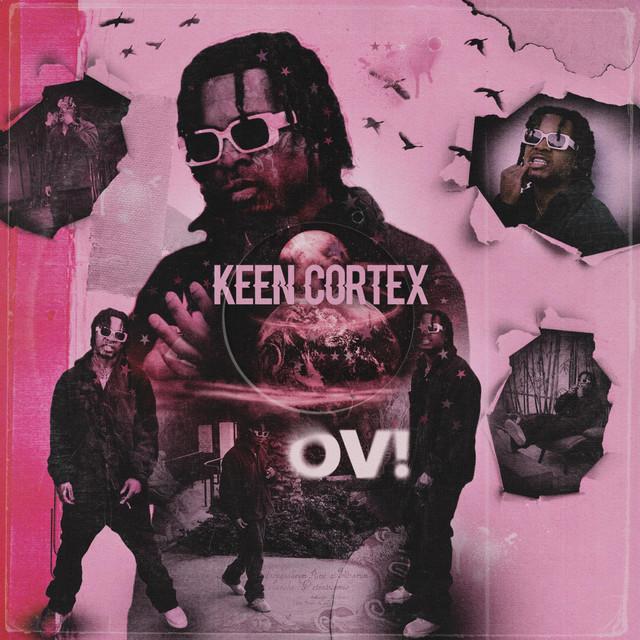
Oh Yuh by Keen Cortex
The meaning of Oh Yuh Keen Cortex starts with mood before story. This is a short, blunt rap track built around repetition, intoxication, sexual bragging, money hunger, and threats of revenge. It does not unfold like a detailed narrative. Instead, it works like a snapshot of a lifestyle the rapper wants to project: high, armed with confidence, sexually desired, and ready for conflict.
"Oh Yuh" - Keen Cortex
(Yuh)
I wake up rolling my tree
Loading lyrics...
Unable to load lyrics
We're unable to display the lyrics at this time. Please try again later.
Keen Cortex is credited here as the song’s writer, and that matters because the song feels personal in voice even when it relies on familiar trap language. There is no big plot twist. The point is presence. They use the song to sound untouchable.
What the Song Is Really Selling
At its core, the track is about image control. The speaker wakes up in a haze of weed, attention, and ego, then spends the rest of the song defending that status. Early lines center on smoking and sexual power, with phrases like rolling my tree
and high as could be
. Those are not just details of a morning routine. They set the tone for a world where indulgence equals success.
From there, the song moves into confrontation. The speaker claims they are not ordinary, not soft, and not to be tested. When they say ain't regular
, they are marking themselves as exceptional within a rap setting where uniqueness often means power, money, fearlessness, or all three.
Interpretation: The song is less about what happened on one specific day and more about building a hard-edged identity. Every line supports that same goal.
How the Verses Connect the Themes
The song has a simple structure, but the ideas are tightly linked:
- They wake up smoking.
- They describe sexual attention as proof of status.
- They turn to money as a daily mission.
- They answer imagined rivals with threats.
That progression matters. Pleasure comes first, then ambition, then violence. In the speaker’s world, all three belong together. The line about get the paper
shows that money is not optional. It is presented as survival and validation.
Then comes retaliation. The speaker warns others not to test them and says a false sense of safety can end when payback arrives. This is a common theme in street rap, where disrespect leads to response. The song does not explain the backstory in depth, but it does not need to. The lack of detail actually adds to the song’s force. It sounds immediate and impulsive.
The Hook as a Lifestyle Loop
The repeated chorus is important because it turns scattered images into a cycle. Weed, sex, intoxication, conflict, and claims of being different keep coming back. The hook does not deepen the story; it reinforces the atmosphere.
Rolling my tree
High as could be
Want smoke that's fine with me
Those short phrases summarize the track’s whole emotional world. The speaker is relaxed and threatened at the same time. They are enjoying themselves, but they are also ready to defend themselves. That blend is central to the meaning of Oh Yuh Keen Cortex.
Interpretation: The hook suggests that pleasure and danger are inseparable in the identity being performed here. Getting high does not soften the speaker. It sharpens the swagger.
Bragging, Gender, and Power
A big part of the song is sexual boasting. Women in the lyrics are mostly treated as signs of desirability, not full characters. The speaker frames attraction as proof that their jewelry, money, and confidence are working. When they describe women as choosing them, the deeper point is not romance. It is rank.
That means the song follows a familiar trap pattern: desire is used as a scoreboard. The same is true of luxury imagery like the VVS chain reference. Material shine becomes social proof.
For some listeners, that will sound catchy and direct. For others, it may feel emotionally flat or objectifying. Both reactions make sense. The song is not trying to be tender. It is trying to dominate the room.
How the Production Carries the Meaning
Even without a formal production credit available here, the writing points to a trap framework: repetitive hook, short bars, punchy threats, and simple flexes. A beat for these lyrics is likely built around heavy bass, crisp hi-hats, and a sparse melodic loop. That kind of production leaves room for attitude to do the work.
This matters because the song’s meaning is carried as much by delivery as by words. The repeated Oh yuh
acts like a vocal stamp. It is part ad-lib, part shrug, part victory sound. It fills space while reinforcing confidence.
The plain language also helps. There are few layered metaphors and little emotional explanation. That stripped-down style fits the song’s world. They do not want to sound reflective. They want to sound certain.
Artist Context and Rap Tradition
There is limited published context available on this specific track, so the safest reading comes from the lyrics themselves and from common trap conventions. In that tradition, songs often mix intoxication, lust, money, and violent warning signs into one persona-driven performance. The speaker is not inviting empathy as much as respect or fear.
That places Keen Cortex in a lane where repetition is a feature, not a flaw. The song works like an energy piece. It is built to create a vibe fast and hold it. Listeners looking for a deep personal confession may not find one. Listeners looking for raw self-assertion probably will.
Final Take on Its Meaning
So, what is the meaning of Oh Yuh Keen Cortex? It is a compact portrait of someone trying to sound powerful at all times. Weed, sex, money, jewelry, and revenge are all folded into one identity: a person who believes they are desired, dangerous, and above ordinary rules.
Interpretation: The song is ultimately about control of perception. The speaker may not reveal much vulnerability, but that absence is part of the message. They present hardness as the only safe public face.
That reading is still an interpretation, not a confirmed statement from the artist. As with most songs, meaning can shift depending on the listener, the performance, and the context they bring to it.








