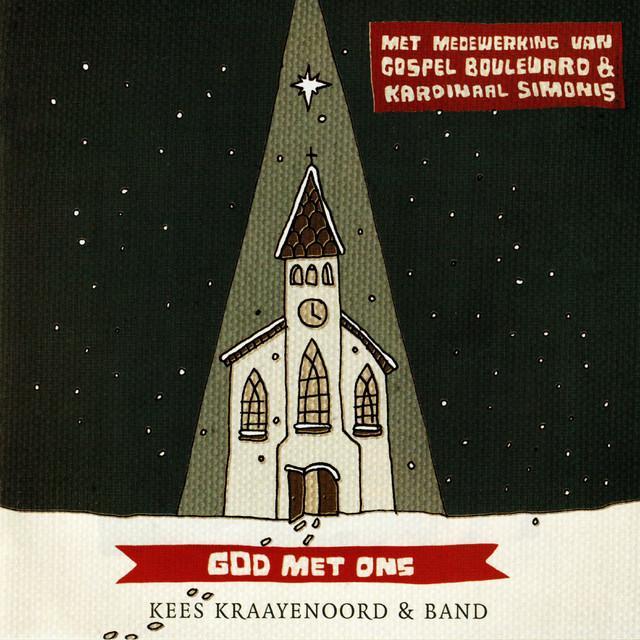
Why 'Ik kniel aan Uwe kribbe neer' Feels So Intimate
For listeners searching for the meaning of Ik kniel aan Uwe kribbe neer Kees Kraayenoord, the heart of the song is simple: it is a prayer of surrender at the manger. It takes the Christmas story and turns it inward. Instead of only describing Jesus’ birth, it asks what that birth means for the worshiper’s own life, heart, and future.
"Ik kniel aan Uwe kribbe neer" - Kees Kraayenoord
O Jezus Gij mijn leven
Ik kom tot U en breng U Heer
Loading lyrics...
Unable to load lyrics
We're unable to display the lyrics at this time. Please try again later.
Kees Kraayenoord is known in Dutch Christian music for worship songs that make theology feel personal, as reflected on their official site. That context matters here. This song is not performed as a distant hymn from another century. In their hands, it becomes a living act of devotion.
A Prayer Kneeling Before Mystery
The opening image tells listeners almost everything they need to know. The singer comes low, not proud, and meets Jesus at the cradle. The phrase Ik kniel
signals humility from the start. They are not asking for attention. They are offering themselves.
That offering grows clearer in the next idea, where the singer brings back what has already been given by God. In plain terms, the song says human life is a gift, and the right response is to return that life in trust. When the lyric moves toward mijn leven, geest en hart
, it widens the offering to the whole person: body, spirit, emotion, and will.
Interpretation: this is why the song feels intimate. It is not just admiration for a holy child. It is a total act of belonging.
Christmas Becomes Personal History
One of the song’s strongest ideas is that Jesus’ birth happened before the singer could understand anything. The lyric suggests divine love came first. Before speech, before choice, before even earthly life, grace was already moving toward them.
That is a powerful Christian theme: God acts before people can earn or explain anything. The line built around voor mij geboren
presents the nativity as more than a historical scene. It becomes a personal event with meaning for the listener now.
This part also links birth and chosenness. The song suggests that being known by God starts earlier than human awareness. That can sound doctrinal, but emotionally it lands as comfort. The worshiper is saying: they were not forgotten, accidental, or late to God’s attention.
The Central Theme Is Exchange
A key pattern in the song is exchange. Jesus becomes poor so the singer can become spiritually safe. Jesus enters weakness so the worshiper can find strength. The divine comes near in a child so human fear can move toward peace.
That is why the image of the infant matters. The phrase arm en naakt
emphasizes vulnerability, not royal distance. Instead of showing power through force, the song presents love through nearness and self-giving.
Temidden van de nacht des doods
Zijt Gij mijn zon verrezen
These two short lines shift the song from cradle imagery to resurrection-like hope. Even while the focus remains on Christ, the meaning expands. The child in the manger is also the one who defeats darkness.
Darkness, Light, and Healing
The final stanza uses some of the song’s richest symbols. Night stands for death, fear, and spiritual loss. The sun stands for renewal, life, and truth. This is not unusual in Christian hymn writing, but the song uses the contrast with unusual warmth.
When it speaks of light that heals and breaks through darkness, it suggests faith as illumination. The singer is not merely rescued from danger; they are awakened from within. The light does not only shine around them. It starts to shine in them.
Interpretation: this makes the song about transformation, not just comfort. Jesus is not only a shelter. He is also the source of a changed inner life.
How the Sound Supports the Message
In worship settings, Kraayenoord often favors arrangements that let lyrics lead, something also evident in their broader ministry profile at Opwekking. That matters for a song like this. A gentle piano, soft strings, or restrained band texture would fit the meaning because the song begins in kneeling, not triumph.
As the lyric moves from manger to light, the music can naturally widen. A stronger vocal lift or fuller harmony would underline the move from quiet devotion to radiant assurance. Even without complex production tricks, a slow build can mirror the journey from humility to hope.
This is why the song often feels emotionally effective. Its likely musical arc matches its spiritual one:
- low and reverent at the manger,
- warm and personal in the middle,
- brighter and more expansive by the end.
Why It Connects Across Cultures
For U.S. listeners, the Dutch language may create some distance at first. Yet the message is easy to follow because its core symbols are familiar: cradle, child, darkness, light, healing, surrender. Even without understanding every word, listeners can sense its prayerful mood.
The meaning of Ik kniel aan Uwe kribbe neer Kees Kraayenoord is therefore both local and universal. It comes from a Dutch worship and hymn tradition, but it speaks in themes that many Christians recognize right away.
Final Take on the Song's Meaning
At its core, this song says that Jesus’ coming calls for a human response: kneeling, trust, and the giving back of one’s life. It starts with the manger, but it ends with inner light. That journey is what gives the song its emotional power.
Interpretation: listeners may hear it as a Christmas hymn, a worship prayer, or even a summary of the gospel in miniature. All three readings fit the text.
Disclaimer: This interpretation is based on the lyrics provided, common Christian hymn themes, and publicly available artist context. Meaning can vary by listener, performance, and faith background.







