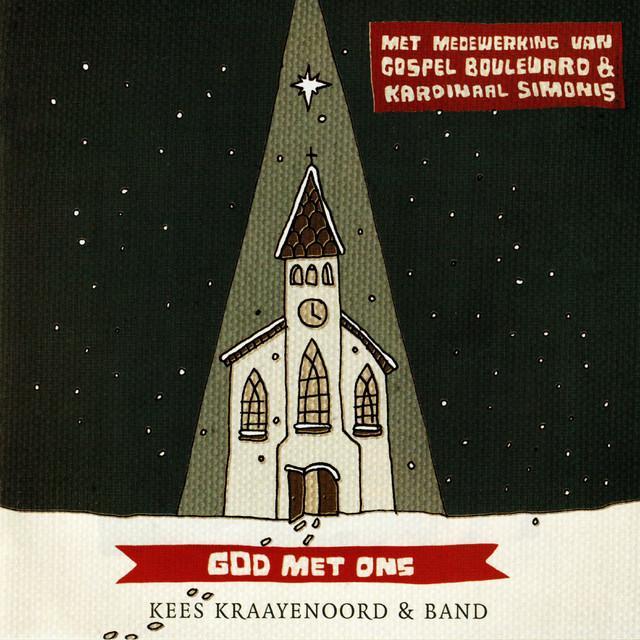
Why 'Immanuel' by Kees Kraayenoord Comforts
The meaning of Immanuel Kees Kraayenoord starts with one simple idea: God is present with people in the middle of fear, waiting, and darkness. This is a worship song, but it is also a compact message of comfort. Rather than telling a long story, it repeats one sacred name until that name feels like a shelter.
"Immanuel" - Kees Kraayenoord
Immanuel, Immanuel
Licht in deze donkere nacht
Loading lyrics...
Unable to load lyrics
We're unable to display the lyrics at this time. Please try again later.
Kees Kraayenoord is known in Dutch Christian worship music for songs that blend congregational simplicity with strong biblical language. On his official website, they present a ministry centered on worship and faith. That context matters, because “Immanuel” is written less like a private diary entry and more like a song meant for a church to sing together.
A Name That Carries the Whole Song
At the center of the song is the repeated name Immanuel
. Before the title means anything emotionally, it means something theologically: “God with us.” The lyric does not spend time arguing for that truth. It simply announces it again and again, as if repetition itself is a form of trust.
That choice shapes the song’s meaning. Instead of building suspense, it offers reassurance from the first line. The listener is not asked to solve a problem. They are asked to dwell in a promise.
Why the Repetition Matters
Repeated titles can sometimes feel thin, but here the repetition works like prayer. In worship music, saying the same name more than once can deepen feeling rather than reduce meaning. Each return to Immanuel
reminds the listener that the answer to darkness is not an abstract idea, but a person and presence.
Darkness, Waiting, and Arrival
The first verse places the song in a night scene. It refers to darke nacht
, or dark night, and says this is the night for which people have waited through centuries. That moves the song beyond one hard moment. It connects personal pain to a long human history of longing.
This is where the song becomes especially effective. It does not deny darkness. It names it. Then it places light inside it through the phrase Licht in deze donkere nacht
. In plain terms, the song says hope is not found by pretending life is bright already. Hope arrives inside the dark.
Interpretation: Christians will hear an Advent and Christmas message here: humanity waited a long time for the coming of Christ. But even outside that seasonal frame, the lyric works as a spiritual pattern. People wait, history feels heavy, and then divine presence breaks in.
The Titles Build a Portrait of Christ
After naming darkness and light, the song adds biblical titles: Vredevorst
, sterke Rots
, and God met ons
. In English, those ideas point to a Prince of Peace, a strong Rock, and God with us. The writing is simple, but the layering is important.
Each title answers a different human need:
- peace for fear and conflict
- strength for instability
- presence for loneliness
That is why the song feels so complete despite its short length. It gathers several Christian images of Jesus into one worship moment. The song does not analyze them in depth. It lets them stand side by side, building a portrait that is both majestic and intimate.
Vredevorst, sterke Rots, God met onsThese linked names turn comfort into confession.
The Second Verse Expands the Promise
The second verse shifts slightly from the historical wait of the first verse to a broader description of God’s nature. It calls God the eternal Father and again describes divine light in human darkness. This makes the song feel larger than a Christmas carol, even if that setting fits it well.
Now the focus is not only on a long-awaited arrival, but on who God always is. The phrase licht in onze duisternis
brings the song closer to the present. It is no longer just “that night” in sacred history. It is “our darkness” now.
That small shift is one reason the song connects so easily in worship. It bridges doctrine and experience. The listener can hear the biblical story, but they can also place their own grief, confusion, or fear inside the song.
How the Sound Supports the Meaning
Because this is worship music, production and arrangement matter as much as wording. Kraayenoord’s style often favors clear melodies, steady pacing, and a singable chorus. Even without dense poetic detail, that musical approach helps the message land. A repeated hook allows a congregation to move from hearing truth to participating in it.
The likely effect of “Immanuel” in performance is cumulative. Soft repetition can create calm, while fuller vocals on the titles of Christ can add weight and confidence. In worship settings documented through Opwekking, Dutch praise music often aims for direct communal singing rather than lyrical complexity. “Immanuel” fits that model well.
Interpretation: The simplicity of the composition is part of the meaning. The song is built to be remembered in moments when people do not need clever language; they need steady truth.
Why the Song Resonates So Deeply
The meaning of Immanuel Kees Kraayenoord rests on a balance many worship songs chase but do not always reach. It is doctrinal without sounding cold, and comforting without sounding vague. It gives listeners a dark setting, a hoped-for light, and a name that joins heaven to ordinary human need.
For Christian listeners, the song points clearly to Jesus as the answer to waiting, fear, and separation from God. For casual listeners, it still communicates a universal emotional truth: people endure dark seasons, and hope often begins with the sense that they are not alone.
Final Thought on Its Message
“Immanuel” is about presence more than plot. It says that the deepest comfort is not escape from hard times, but the arrival of God within them. That is why such a short song can feel so lasting.
This article offers an interpretation based on the lyrics, artist context, and worship tradition. As with any song, listeners may hear meanings that reflect their own faith, language, and experience.







