Why “Komt allen tezamen” Still Feels So Warm
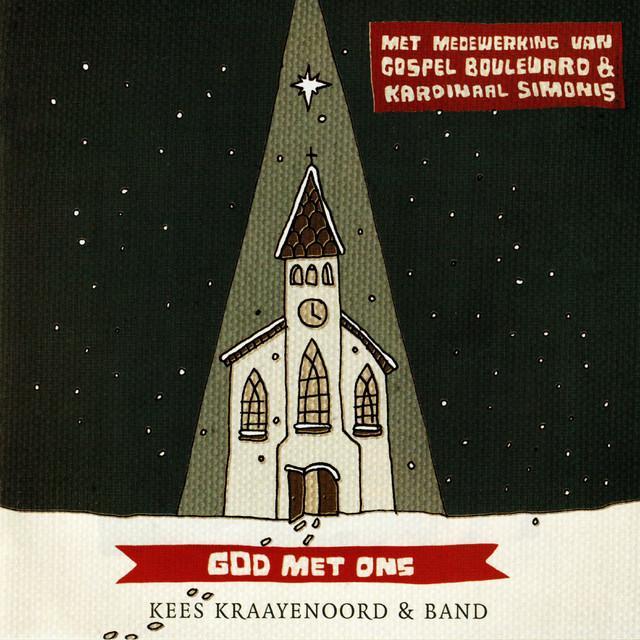
The meaning of Komt allen tezamen Kees Kraayenoord starts with a simple invitation. This Dutch Christmas hymn, closely related to “O Come, All Ye Faithful,” is not trying to puzzle the listener. It asks people to come together, look toward Bethlehem, and respond with joy, awe, and worship.
"Komt allen tezamen" - Kees Kraayenoord
Jubelend van vreugde:
Komt nu, o komt nu naar Bethlehem!
Loading lyrics...
Unable to load lyrics
We're unable to display the lyrics at this time. Please try again later.
In Kees Kraayenoord’s hands, that message feels especially direct. They are known in Dutch Christian music for worship-centered songs and congregational singing, and that context matters when reading this track. Rather than presenting Christmas as decoration or nostalgia, the song treats the birth of Jesus as an event that calls for action: come, see, and adore.
A Christmas Song About Response, Not Just Birth
At the most basic level, the song tells the Christmas story in brief scenes. It calls listeners to Bethlehem, points to the newborn child, remembers the angels and shepherds, and ends in a personal act of devotion. The movement is important. The lyric does not stop at information; it pushes toward response.
That is why the repeated invitation matters so much. When the song says Komt allen tezamen
, it is not only asking people to gather physically. It also asks them to share one spiritual focus. Christmas becomes communal worship, not private feeling.
The central refrain, laten wij aanbidden
, turns the whole hymn into a call-and-response of faith. In plain English, the idea is: if this child really is the promised king, then the right answer is worship. That makes the song less about sentiment and more about reverence.
How the Verses Build the Message
From celebration to Bethlehem
The opening lines are full of joy. The phrase Jubelend van vreugde
frames the song with celebration before the story details even arrive. That matters because the lyric assumes Christmas is good news first, doctrine second.
Then the song directs attention to Bethlehem. This shift grounds the joy in a place and event. It is not vague holiday happiness. It is happiness tied to a birth that believers see as world-changing.
From heaven to ordinary people
In the next verse, angels call the shepherds away from their flock. This is a classic Christmas image, but it also carries a theme of inclusion. Shepherds were ordinary workers, not kings or scholars. By bringing them into the story, the song suggests that the message is open to everyday people.
That is one reason the hymn has lasted so long in church life. Its message is exalted, but its doorway is wide. Listeners do not need status to approach the child in the manger.
From story to personal offering
The final verse becomes more intimate. The child is described as born for “us,” resting in the manger, and receiving human love. The phrase ons harte
shows the shift clearly: the song moves from public proclamation to personal surrender.
Interpretation: This is the emotional center of the hymn. The earlier verses tell listeners where to look; the last verse asks what they will give. The answer is not wealth or power, but the heart.
The Chorus Is the Whole Theology
Many Christmas songs have one memorable hook, but here the refrain is almost the entire message. Repeating die Koning
after the call to adore gives the hymn its theological weight. The baby in the manger is not presented as only fragile or sweet. They are also king.
That combination of tenderness and majesty is what gives the song depth. The manger image lowers the scene to human scale. The royal title raises it again. The hymn holds both ideas at once: humility and sovereignty.
Komt, laten wij aanbidden,Komt, laten wij aanbidden die Koning
This short passage works because it is so singable. In meaning, it turns the Christmas story into a collective decision. The song does not ask listeners merely to admire. It asks them to bow.
Why Kees Kraayenoord’s Style Fits It So Well
Kees Kraayenoord is a Dutch worship leader and singer-songwriter whose work often centers on accessible praise music and congregational expression, as noted on his official site. That background helps explain why this hymn suits them so naturally.
Production-wise, songs like this usually work best with warm piano, soft strings or pads, steady percussion, and a clear vocal lead that invites group singing. Even when the arrangement grows, the purpose is not drama for its own sake. It is to support a room full of voices.
That approach matches the lyric. A highly experimental production could distract from the message. A worship-focused arrangement keeps the listener close to the core idea: shared adoration. In that sense, the sound and words are aligned.
Tradition, Translation, and Meaning in Context
“Komt allen tezamen” is a Dutch version of a much older carol tradition connected to “Adeste Fideles,” widely documented in hymn history, including by Britannica. The listed writers here include traditional public-domain roots along with Dutch contributors Jacobus van Raaijen and Joop Baggen.
That history matters because the song carries layers of meaning before any modern recording begins. It is both a carol and a worship song, both seasonal and timeless. Kraayenoord’s version does not need to reinvent it. Their role is to renew its emotional power for present-day listeners.
For U.S. listeners, the closest reference point is “O Come, All Ye Faithful.” But the Dutch wording can feel slightly more intimate and communal. Even without speaking Dutch, listeners can hear the repeated invitation and feel the upward motion of praise.
Final Take: Why the Song Endures
The meaning of Komt allen tezamen Kees Kraayenoord is clear but not shallow. It is about gathering, seeing the child of Bethlehem as king, and answering that vision with worship. Its strongest idea is that Christmas is not just something to remember. It is something to respond to.
Interpretation: The song endures because it balances joy, humility, and devotion without overcomplicating any of them. It welcomes ordinary people into a sacred moment and gives them a simple line to carry home.
This reading is an interpretation based on the lyrics, hymn history, and artist context; listeners may connect with the song in different ways.








