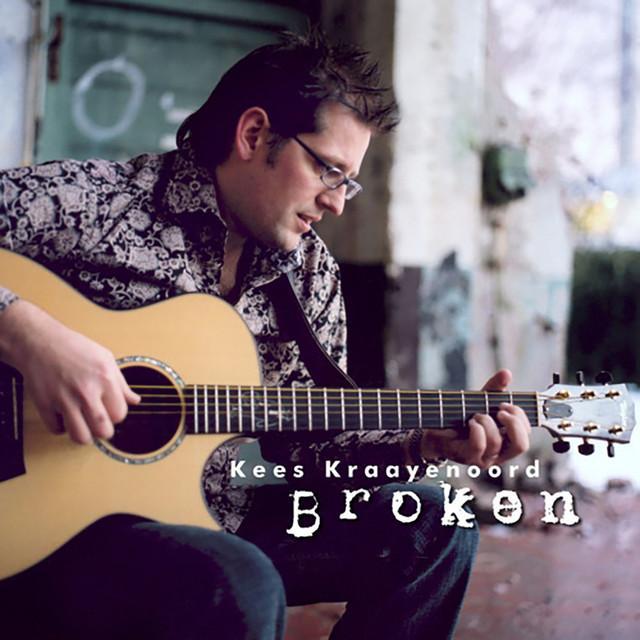
The Father's Place by Kees Kraayenoord
The meaning of The Father's Place Kees Kraayenoord centers on a simple but powerful idea: spiritual closeness matters more than spectacle. The song does not chase big theology words or dramatic storytelling. Instead, it turns worship into a personal moment between a believer and God as Father.
"The Father's Place" - Kees Kraayenoord
Woship you and you alone
All the stars up in the sky
Loading lyrics...
Unable to load lyrics
We're unable to display the lyrics at this time. Please try again later.
That directness is part of why the song lands. Kees Kraayenoord, a Dutch worship leader known through Mozaiek Worship and his wider ministry work, often writes songs that blend congregational praise with intimate prayer. Here, they present God as majestic, but they quickly move from heaven-wide worship to the private need to be near Him.
A Worship Song About Nearness, Not Distance
At the start, the lyrics paint a huge scene. Angels surround the throne, and the stars honor Jesus. In other words, all creation is shown as responding to divine greatness. That opening matters because it sets up a contrast: if the whole universe praises God, what does one person bring?
The answer is not performance. It is presence. The song shifts from cosmic images to a deeply personal desire, summed up in phrases like be with you
and all I need
. The singer is not asking for blessings, success, or even answers. They are asking for relationship.
That is the heart of the meaning of The Father's Place Kees Kraayenoord. Worship is framed less as duty and more as returning home.
The Core Relationship in the Lyrics
The most important line of thought comes in the second verse, where the singer admits they sometimes forget who God is and who they are. The song names a spiritual problem many listeners recognize: losing sight of identity.
Instead of staying in guilt, the lyrics answer that confusion with family language. God is my Father
, and the believer is His child. That is a major Christian theme, and the song handles it in plain words. The emotional center is not fear of judgment, but trust.
This idea becomes even clearer in the image of running back like a child
. The line suggests dependence, safety, and instinct. A child does not create access to a loving parent; they already belong. That makes the song feel reassuring rather than anxious.
How the Chorus Carries the Message
The chorus repeats desire more than doctrine. They want to know God, see Him, and spend life on Him. That repeated longing is what gives the song its devotional power.
Need to know you
Need to see
Your love is breaking through
These lines, brief as they are, move the song from praise into encounter. The singer is not content with ideas about God from a distance. They want lived awareness. The phrase breaking through
suggests that divine love is not passive; it pushes past confusion, distraction, or emotional numbness.
Interpretation: This is why the chorus can feel like both prayer and surrender. It asks for closeness, but it also admits need. The singer is not in control. They are being reached.
From Throne Room to Family Room
One of the song's smartest choices is how it links two pictures of God.
- God is ruler, surrounded by angels.
- God is Father, welcoming a child.
- Worship is both awe and intimacy.
Many worship songs lean heavily toward one side. Some focus on power and glory. Others stress comfort and love. This song holds both together. The throne image keeps God holy and exalted. The father image keeps Him near and approachable.
That balance gives the song emotional depth. It says that the One praised by heaven is the same One a believer can run to personally. For many listeners, that is the song's deepest comfort.
What the Sound Likely Adds to the Meaning
Kraayenoord's music usually lives in the modern worship space: steady tempo, warm piano or guitar foundation, and a melody built for group singing. Even without an elaborate arrangement, that style serves this lyric well. It lets repetition do the work.
In worship music, repetition is not always about complexity; often it is about meditation. Repeating phrases like all I need
allows the listener to sit inside the message instead of just hearing it once and moving on.
Interpretation: If the production gradually grows, that would mirror the lyric movement from quiet personal need to fuller assurance. A soft opening would fit the reflective verses, while a broader chorus would make the sense of love "breaking through" feel audible, not just stated.
Artist Context and Why It Fits His Catalog
Kees Kraayenoord has long worked in contemporary Christian and worship music, where songs are often written for both personal devotion and congregational use. Information on his public artist presence, including releases and ministry context, appears through his official site. That background helps explain why this song is so direct.
It is built to be sung together, but it still sounds personal. That combination is a key feature of effective worship writing. The language is broad enough for a church room, yet specific enough to feel like one person's prayer.
A Gentle Song About Spiritual Memory
Another way to understand the meaning of The Father's Place Kees Kraayenoord is to see it as a song about remembering. The singer knows God is faithful and true, but they admit they often lose sight of that truth. So the song becomes a return.
Not a dramatic conversion story. Not a crisis anthem. A return.
That gives the lyrics a quiet maturity. They assume faith includes forgetfulness, and that grace includes being welcomed back. The "Father's place" is not earned at the end of a perfect spiritual run. It is the place a child comes back to.
Final Take on the Song's Meaning
In the end, this is a worship song about belonging. It starts with heaven's praise, but it lands in the simple need to be near God. Its message is that divine greatness does not block intimacy; it makes intimacy more meaningful.
For listeners in the United States and beyond, the song works because it is easy to grasp and emotionally honest. It tells them that even when they lose focus, they can still return to the Father.
Disclaimer: This interpretation is based on the lyrics, artist context, and worship genre conventions. As with any song, listeners may hear personal meanings beyond this reading.







