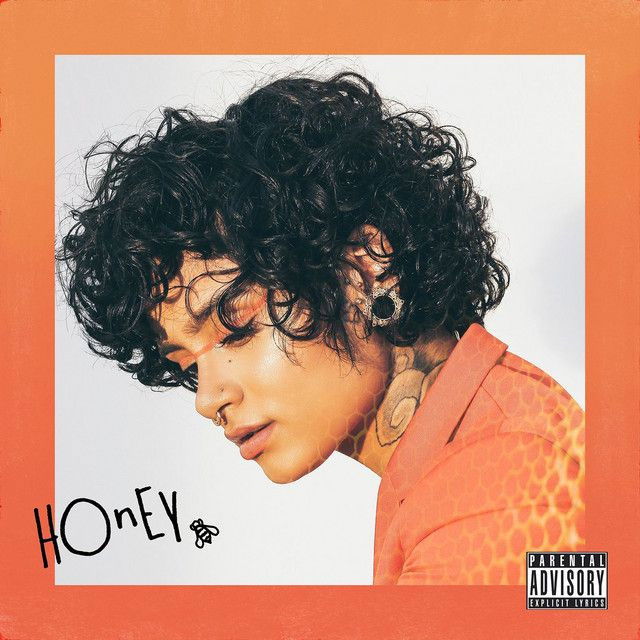
Honey by Kehlani
Kehlani’s “Honey” sounds easygoing on first listen, but the meaning of Honey Kehlani is deeper than a simple crush song. It is about feeling seen by one person, enjoying the sweetness of desire, and letting love become a safe place for a messy heart.
"Honey" - Kehlani
A little selfish
I like my women like I like my money, green
Loading lyrics...
Unable to load lyrics
We're unable to display the lyrics at this time. Please try again later.
Released on October 6, 2017 as a standalone single, “Honey” arrived after SweetSexySavage and quickly stood out for its stripped-back sound and queer openness, according to Pitchfork, Songfacts, and Wikipedia. That context matters because the song feels intentionally personal.
The Sweetness Is Real, but So Is the Risk
At its core, the song is about attraction that feels comforting and intense at the same time. Kehlani compares the kind of women they like to things that are valuable and pleasurable. When they use phrases like sweet
, green
, and a little jealous
, they are not just flirting. They are describing a relationship dynamic that feels vivid, possessive, and emotionally alive.
That opening also tells listeners something important: this is not polished, distant romance. It is specific and human. The singer is drawn to someone who is warm but not perfect, affectionate but protective. In that sense, the song treats love as a balance of tenderness and edge.

Watch the official Honey
music video
A Love Song From a Self-Aware Narrator
Another key part of the meaning of Honey Kehlani is self-knowledge. The singer admits they are not entering love as a blank slate. They present themselves as someone bruised by past relationships, yet still open enough to hope again.
When Kehlani calls themselves a beautiful wreck
, the phrase captures the whole emotional posture of the song. They are attractive and charismatic, but also chaotic and scarred. That honesty matters because it keeps the song from sounding too dreamy or naive.
Interpretation: “Honey” suggests that real intimacy begins when someone can admit both their charm and their damage. The romance works not because the singer is healed, but because they feel accepted in the middle of their contradictions.
Why the Chorus Feels So Devoted
The emotional center of the song comes in the refrain about all the options in the world fading away next to one chosen person. The line in this space with you
turns love into presence. It is less about fantasy than about being grounded with someone.
That idea is why the song feels bigger than a casual compliment. The singer is not saying this person is just attractive. They are saying this connection changes the room, changes attention, and changes what matters.
There is also a subtle fate theme. The song hints that this bond feels meant to happen, as if desire and destiny overlap. Even the references to heartache and escape suggest that love offers a route out of old pain.
Sound and Structure Make It Feel Intimate
Part of what makes “Honey” so beloved is its production. Critics noted that the song works through a stripped-down acoustic approach that lets Kehlani’s voice sit front and center. Pitchfork described it as a song that is almost all hooks, with flickering guitar and soft wordless hums rather than a heavy, conventional pop arrangement.
That matters for interpretation. Acoustic guitar can make a song feel unguarded, and “Honey” uses that closeness well. There is no giant beat to hide behind. The performance feels like a confession shared across a couch or in a quiet room.
The tune also loops ideas instead of pushing through a strict verse-chorus format. That repetition mirrors infatuation. When someone is stuck on a person, thoughts circle back. The song’s structure quietly acts out that emotional fixation.
A Quietly Important Queer Love Song
The meaning of Honey Kehlani also cannot be separated from representation. Kehlani spoke openly about wanting their music to reflect their real life, saying that their art should match who they are. Songfacts quotes Kehlani explaining that they are openly queer and wanted that truth present in the music.
That makes “Honey” more than a sweet acoustic single. It is also a song that refuses to blur or hide same-gender love. The directness is part of its power. In 2019, Billboard included it among its "30 Lesbian Love Songs", showing how strongly it resonated beyond its initial release.
The video deepened that message. According to Songfacts and Wikipedia, the clip was directed by David Camarena and featured Aariana Johnson as the love interest. Kehlani also explained that the casting was intentional, meant to honor the androgynous inspiration behind the song.
The Final Question: Is It Love?
Near the end, the song shifts into a gentle, almost playful meditation on love itself. Instead of making a grand declaration, it asks whether this feeling is truly love. That question is important because it keeps the song emotionally honest.
Interpretation: The question does not sound doubtful so much as amazed. The singer seems to already feel the answer, but they are lingering in the wonder of it. That is why “Honey” leaves such a warm aftertaste: it captures the moment when affection starts to feel like destiny, safety, and surprise all at once.
It also helps explain the song’s staying power. “Honey” earned major certifications, including Gold in the United States, according to Wikipedia’s summary of RIAA data. Listeners likely connected with how plainly it speaks. It is romantic, but not overblown. It is vulnerable, but still light on its feet.
What “Honey” Ultimately Means
In the end, “Honey” is about choosing closeness over performance. It shows a person who knows they are complicated, finds someone who feels worth trusting, and experiences love as both relief and excitement.
That mix of sweetness, self-awareness, and queer tenderness is the real meaning of Honey Kehlani. It is not only a love song. It is a song about being known.
Disclaimer: This interpretation combines lyrical analysis with available artist and critical context. As with any song, individual listeners may hear it differently.









