
Keep On by Kehlani
Why this song hurts so quietly
The meaning of Keep On Kehlani centers on guilt, mercy, and a love that survives repeated disappointment. In the song, they speak from the position of the person who knows they have caused harm. Instead of defending themself, they admit failure and seem almost confused that the other person still offers comfort.
"Keep On" - Kehlani
Anything you're saying to me right now
Probably have the right to say
Loading lyrics...
Unable to load lyrics
We're unable to display the lyrics at this time. Please try again later.
That tension drives the whole track. The speaker says the partner has every reason to be angry, yet the partner still keeps welcoming them back. The result is not a triumphal love song. It is a troubled confession about being forgiven more times than they think they deserve.
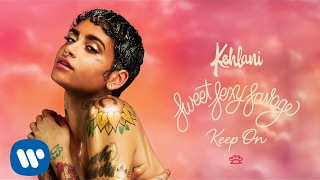
Watch the official Keep On
music video
The core message: forgiveness mixed with shame
At the most basic level, the song is about a cycle in a relationship. One person messes up, feels remorse, returns in a vulnerable state, and finds the other person still there. The hook, built around taking me back
, turns that cycle into the emotional center of the song.
What makes the writing effective is that the speaker does not simply say sorry. They go further and admit moral failure. When they say I'm no good to you
, they are not just worried about one argument. They are questioning their value inside the relationship.
Interpretation: This creates a deeper meaning than a normal breakup-or-makeup song. It suggests that love can become a place where grace and damage exist at the same time. The partner's openness feels loving, but it may also enable a pattern that has not truly changed.
Who is speaking, and to whom?
The narrator speaks directly to a romantic partner they have hurt. The verses list the other person's possible reactions: yelling, cursing, even accusing them of selfishness. The point is not shock value. It shows that anger would be justified.
Then the song pivots. After all that, the speaker returns on my knees
, and the partner is still present. That image matters because it suggests both apology and dependence. The speaker is humbled, but they also rely on the other person's steady love.
This direct address gives the song an intimate feel. They are not telling a general story about relationships. They are confessing to one person who knows the full history.
A short timeline of the relationship drama
The narrative unfolds in a simple but effective order:
- The speaker admits the partner has a right to be upset.
- They confess they have not acted as they should.
- They return in a weakened, pleading state.
- The partner receives them again.
- The speaker remains unsure why such mercy continues.
That structure is important because it keeps the focus on accountability. The song never suggests both sides are equally at fault. Instead, it highlights one person's repeated mistakes and the other's repeated generosity.
You just keep on taking me back
And I don't know why you do
Those lines are the emotional thesis of the song. They combine gratitude with disbelief. The speaker is relieved, but they also seem haunted by what this forgiveness says about both of them.
How the chorus sharpens the meaning
The chorus does not introduce a new idea; it intensifies the one already there. Repetition mirrors the relationship pattern itself. The phrase open arms
suggests safety and acceptance, but because it comes after so much admitted wrongdoing, it also sounds heavy.
Interpretation: The chorus can be heard in two ways at once:
- as a sincere expression of being loved despite flaws
- as a warning sign that the relationship is stuck in a loop
That ambiguity is what gives the song staying power. It does not tell listeners whether the reunion is healthy. It only shows how emotionally powerful it feels.
Sound, style, and Kehlani's R&B context
“Keep On” fits Kehlani's broader R&B approach: emotionally direct writing, conversational phrasing, and a soft atmosphere that lets complicated feelings land without melodrama. Critics noted that While We Wait sharpened their established style through emotional honesty and relationship realism, while keeping the music airy and intimate, with what The Line of Best Fit called “ethereal R&B, spacey vocals, and addictive hooks.”
That description helps explain why this song works. The production does not overwhelm the confession. A smooth, restrained R&B/Soul backdrop lets the listener focus on tone: weariness, regret, and tenderness. The melody circles around the hook in a way that feels almost trapped, reinforcing the idea of returning to the same emotional place.
Kehlani has often been strong at writing songs where vulnerability and self-awareness coexist. In another context, they described “Up At Night” as being about a “healthily obsessed relationship,” according to Capital XTRA. “Keep On” lands on the opposite side of that emotional spectrum. It is still intimate, but instead of joyful fixation, it explores the burden of being loved when they feel they have not earned it.
Bigger themes hidden in simple words
Several motifs shape the song's meaning:
Return and repetition
The most obvious motif is coming back. The speaker keeps leaving, failing, or falling short, then reappearing. That repeated movement creates the song's emotional treadmill.
Arms, knees, and posture
Physical images do a lot of work here. Being in open arms
suggests comfort. Being on my knees
suggests surrender. Together, those images turn the relationship into a place of both mercy and imbalance.
Self-judgment
The harsh self-description is also central. The speaker is not asking whether they made a mistake. They already believe they did. The real question is why the partner still chooses them.
Final takeaway on the meaning of Keep On Kehlani
The meaning of Keep On Kehlani is less about romance in its bright form and more about the uneasy side of forgiveness. They present a narrator who knows they have caused pain, receives love anyway, and cannot fully understand that gift.
That is why the song feels both warm and sad. It recognizes the beauty of compassion, but it also hints that love alone cannot fix repeated harm. Interpretation: The song may be heard either as gratitude for unconditional love or as a portrait of a relationship trapped by it.
Disclaimer: This interpretation is based on the lyrics, available song credits, and Kehlani's broader artistic context. Like most songs, “Keep On” can support more than one valid reading.









