Why “Change Your Mind” Hurts So Much
A breakup song about guilt, not blame
The meaning of Change Your Mind Keith Urban starts with a simple but painful idea: the narrator knows the breakup was their fault, and now they are stuck wondering whether personal growth came too late.
"Change Your Mind" - Keith Urban
Think what could've been
What city you in? (Oh)
Loading lyrics...
Unable to load lyrics
We're unable to display the lyrics at this time. Please try again later.
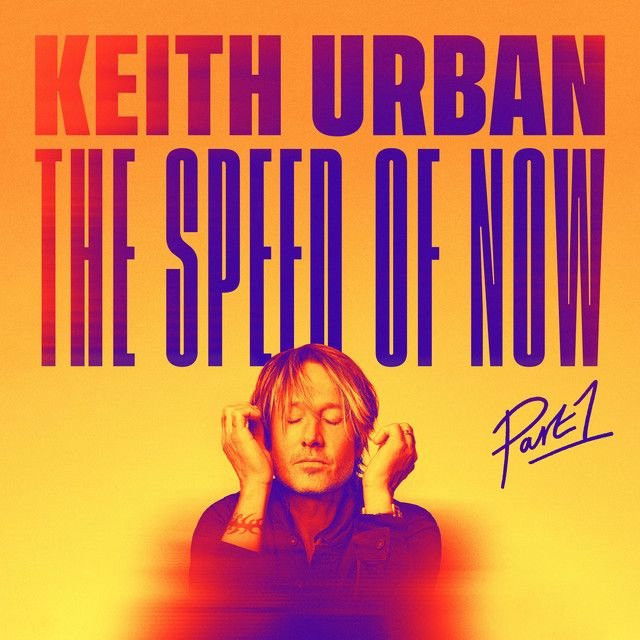
Released in 2020 on The Speed of Now Part 1, the song was written by Matthew Koma and Fransisca Hall and produced by Keith Urban, Koma, and Dan McCarroll. It was issued as a single alongside the album rollout and was often described by critics as sad, reflective, and full of “what-if” thinking. Reviews from Taste of Country and PopCulture framed it as a backward glance at a lost relationship rather than a straightforward plea for reunion. Those basic release and credit details are widely documented in reference sources and album notes.
What makes the song stand out is that it does not act like the singer was wronged. Instead, they admit they caused damage through distance, pride, and self-sabotage. That honesty gives the song its emotional pull.
Watch the official Change Your Mind
music video
The narrator knows exactly what went wrong
From the opening verse, the song places the narrator alone in a city, replaying the past and fighting the urge to reach out. The detail about a nearly dead phone and a failed attempt to connect creates a modern kind of loneliness. It is not just heartbreak; it is helplessness.
Then the song becomes more direct. They admit, in effect, that they were the problem. A phrase like self sabotaging
matters because it shifts the song away from romantic fantasy and toward responsibility. The ex did not leave for no reason. They left because staying had become impossible.
This is one of the clearest strengths in the writing. Instead of saying love simply faded, the song names the habits that broke it: refusing to bend, not listening, taking someone for granted, and failing to show commitment. Those details make the regret believable.
The chorus turns change into the main symbol
The chorus lists all the ways the ex has rebuilt life after the breakup. They changed appearance, routine, social circles, and even the practical details of contact. The repeated image of a new life is the song’s central symbol.
A short line like changed your world
does more than describe a makeover. It suggests a total reset. The ex is not just moving on; they are redesigning identity.
That is why the chorus question hits so hard. The narrator asks whether, if they truly change, the ex might also reconsider. In paraphrase, the song asks: Can growth repair trust once trust is gone?
Is it too late to try?If I changewould you change your mind?
Those lines are the emotional center of the song. They are not confident. They are unsure, almost whispered in spirit. The question is not “Do I deserve you back?” but “Can real change matter now?”
Regret is personal, but the song leaves room for doubt
One reason this track feels mature is that it does not promise reconciliation. The narrator imagines going back and fixing the small cracks before they became serious damage. That idea gives the song a haunted quality. They can see the turning points now, but only after losing the relationship.
Interpretation: There are two ways to hear this. The first is hopeful: the narrator is finally growing up, and the plea to reconnect is sincere. The second is less comforting: they may still be centering their own need, reading signs into the ex’s changes and asking for another chance mainly to ease guilt.
That ambiguity is important. When the narrator wonders whether the ex is hiding lingering feelings, the song brushes up against self-delusion. They may know this person well, but they no longer control the story. The ex’s new life may be pain management, or it may simply be freedom.
How the sound softens the confession
Musically, “Change Your Mind” is a pop song with country touches. Reference sources and liner-note summaries credit Matthew Koma with acoustic guitar, electric guitar, banjo, keyboards, drums, and background vocals, while Keith Urban adds the lead vocal and electric guitar solo. That mix explains why the track feels both intimate and polished.
The production matters to the meaning. A banjo-flecked texture gives the song a faint country ache, but the overall sound is dreamy and modern rather than raw. The beat glides instead of pushing hard. That softness mirrors the narrator’s state of mind: reflective, fragile, and not fully sure of themselves.
Urban’s vocal also helps. He sings the hook with restraint, not force. The performance avoids anger and leans into ache. That keeps the focus on remorse.
Why Keith Urban was a strong fit for it
Urban did not write the song, but outside commentary has noted that he connected strongly to the character. Song reference coverage has quoted him saying, briefly, that he knew exactly who this guy was and how he felt. That matters because Urban has long been effective at songs where confidence and vulnerability sit side by side.
Interpretation: Even without treating the lyric as autobiography, listeners can hear why the song suits him. He sells the mix of shame, longing, and late self-awareness. The performance makes the narrator sound old enough to understand the damage, but human enough to still hope.
The lasting meaning of “Change Your Mind”
So, what is the meaning of Change Your Mind Keith Urban? At its core, it is a song about seeing personal failure clearly only after love is gone. It is about the painful gap between becoming better and getting another chance.
Its smartest move is refusing easy closure. The ex may never come back. Change may be necessary but not rewarded. That makes the song sad, but also honest.
For many listeners, that honesty is the point. “Change Your Mind” says that apologies are not always enough, growth does not erase hurt, and sometimes the hardest part of maturity is knowing they were right to leave.
Disclaimer: This interpretation is based on the released lyrics, recording context, and public source material. Like any song, its meaning can vary from listener to listener.








