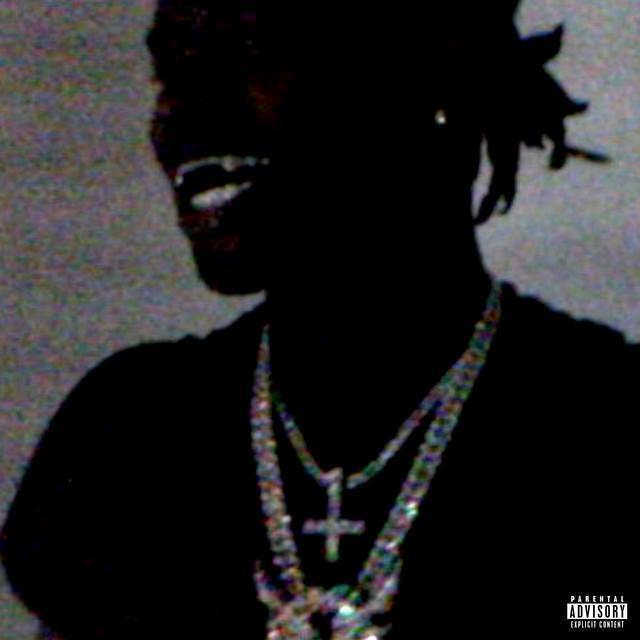
Why “Overtime” Turns Boasting Into a Mission
The meaning of Overtime Ken Carson comes down to one core idea: they present success as a long game. On the surface, the song is full of taunts, money talk, and status claims. Under that surface, it is really about proving they belong at a higher level than the people around them.
"Overtime" - Ken Carson
You ain't off them Percs, you ain't off them Xans, you ain't off that molly
You ain't never been down bad, huh? That's a lie
Loading lyrics...
Unable to load lyrics
We're unable to display the lyrics at this time. Please try again later.
Rather than telling a detailed story, “Overtime” works like a pressure statement. They challenge fake toughness, fake wealth, and fake style, then answer those claims with a bigger promise: they are still rising, and the biggest reward has not even arrived yet.
More Than Flexing, Less Than a Confession
A lot of Ken Carson songs lean on attitude first, and “Overtime” follows that pattern. Ken Carson is an Atlanta rapper associated with Playboi Carti’s Opium label, a key part of the newer rage-rap sound that mixes distorted energy, repetition, and punk-like swagger, as covered by outlets like Rolling Stone and Complex.
That context matters because “Overtime” is not trying to be a diary entry. It is trying to create a feeling of dominance. When they dismiss other people with lines like you ain't kill nobody
and you ain't never been down bad
, the point is less about literal fact-checking and more about calling out frauds.
Interpretation: the song argues that in rap, image only matters if it is backed by real struggle, money, and influence. Anyone can talk big; not everyone can make the lifestyle look believable.
The Hook Reveals the Real Theme
The key to the meaning of Overtime Ken Carson sits in the repeated promise it's gon' happen overtime
. That phrase changes the song from a simple flex track into something broader.
They are not saying they have already reached the final level. They are saying they are on the path to it. That matters because it adds hunger to the arrogance. Even while sounding sure of themself, they still frame success as unfinished.
In plain terms, the hook says three things at once:
- They already feel ahead of their rivals.
- They believe much bigger wealth is coming.
- They see that rise as a process, not a miracle.
That idea gives the song a strange mix of patience and ego. They sound impatient with fake people, but patient about their own future.
Rivalry Is the Engine of the Verses
Much of the verse works through direct comparison. They keep repeating what other people have not done: they have not struggled enough, earned enough, or developed original style. The phrase you ain't never had no swag
is especially important because it shifts the argument from money to identity.
In this song, “swag” is not just fashion. It stands for originality. If others are “stealing” style, then they are being cast as copies while Ken Carson becomes the source.
That makes the song feel competitive in two lanes at once:
- material success n- cultural influence
The money boasts and shopping-spree lines show status in a familiar rap sense. But the accusations of imitation show something deeper. They want listeners to believe they are not just rich or flashy; they are trend-setting.
The Sports Metaphor Raises the Stakes
The sharpest image in “Overtime” comes from basketball language. When they say I'm in fourth quarter
and call themself a scorer, they present their career like a close game entering its most important stretch.
That image matters because the fourth quarter is where pressure peaks. It is when weak performers get exposed and stars take control. So even though the song is brag-heavy, this metaphor adds discipline. They are not just partying through fame; they are competing through it.
Interpretation: this could suggest they see the current moment of their career as a proving ground. They may already have fame, but they still feel the need to put points on the board and silence doubt.
Sound and Structure: Why Repetition Works
Even without detailed production credits confirmed here, the track’s style fits Ken Carson’s usual lane: hard-hitting drums, a hypnotic loop, and a vocal delivery that values cadence over intricate storytelling. That kind of production is common within the Opium orbit, where mood and momentum often carry as much meaning as the words.
The repetition in “Overtime” is especially important. The recurring accusations make the verse feel like a barrage. Then the hook lands like a mission statement. Because the beat likely leaves space for those repeated phrases to hit hard, the song turns simple wording into a chant.
This is why lines about success and fraud linger. They are not complex on paper, but in performance they feel relentless.
What the Song Says About Success
At its heart, “Overtime” treats success as something visible. Wealth, jewelry, drugs, designer gifts, and sexual status all become signs of power. That is common in modern trap and rage rap, but here those signs also serve as proof in an argument.
They are saying: if someone has not lived the pressure, built the image, or made the money, then they cannot claim the same rank. The phrase on the way to a billion
pushes that logic to an extreme. It is almost absurdly large, but that is the point. In rap, exaggeration can be a way to project destiny.
So the song is not subtle. It is about ambition at maximum volume.
Final Read on “Overtime”
The best way to understand the meaning of Overtime Ken Carson is to hear it as a challenge and a forecast. The challenge is aimed at people they see as fake. The forecast is aimed at their own future: bigger money, bigger status, bigger impact.
That is why the title matters. “Overtime” suggests added effort, extended pressure, and extra minutes after the normal clock should have run out. They are telling listeners that the climb is still happening, and they expect to win it in the end.
Disclaimer: This interpretation is based on the released lyrics, performance style, and Ken Carson’s broader artistic context. As with most rap songs, some lines may mix persona, exaggeration, and personal truth.








