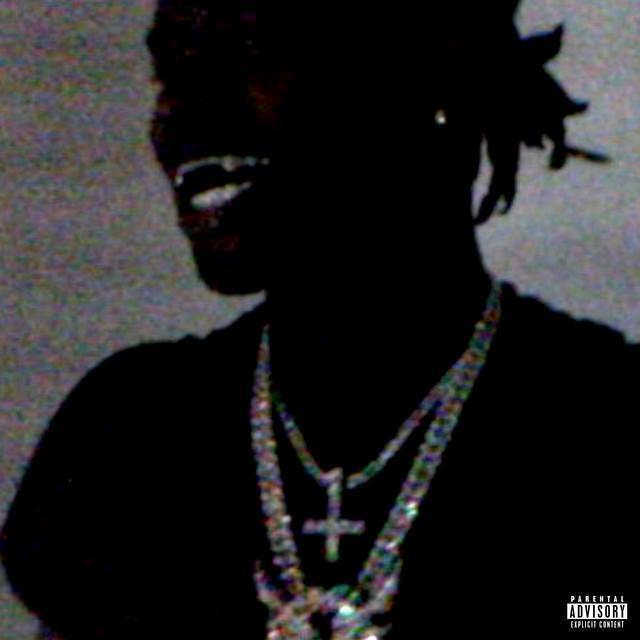
Why Ken Carson’s “Vampire Hour” Feels So Cold
The meaning of Vampire Hour Ken Carson comes down to one clear idea: they believe other people changed, while they stayed the same. The song turns that complaint into a full persona built on darkness, distance, and pressure. Instead of sounding heartbroken, they sound proud, defensive, and almost untouchable.
"Vampire Hour" - Ken Carson
I never changed
These niggas switched up, huh, I remained the same, huh
Loading lyrics...
Unable to load lyrics
We're unable to display the lyrics at this time. Please try again later.
That is what gives the track its bite. It is not just a flex song. It is a song about betrayal, identity, and the need to prove that success did not erase the real self.
The Real Message Hiding in the Hook
The repeated line about never changing is the song’s emotional center. They keep returning to I never changed
, which makes the track feel like an argument as much as a boast. In plain terms, they are saying the split with other people happened because those people became fake, disloyal, or opportunistic.
The next lines sharpen that point. They dismiss chains, fame, women, and riches as things that do not define a person. Even if two people have the same money or status, the song argues, they still are not equal in character.
Interpretation: this is why the song feels colder than a simple victory lap. They are not only celebrating growth. They are drawing a hard line between outer success and inner authenticity.
A Vampire Is More Than an Aesthetic Here
Ken Carson has long used dark, gothic, and nighttime imagery in their style and music, which fits their broader Opium-era branding and public image as an Atlanta rapper with punk-leaning trap aesthetics, as covered by sources like Complex and Pitchfork.
In this song, the vampire image becomes a symbol for how they move through fame. When they say I'm a vampire
, they are not describing literal horror. They are presenting themselves as nocturnal, dangerous, and emotionally unreachable.
That image works on a few levels:
- They come alive at night.
- They influence people around them.
- They survive by staying hard and separate.
- They turn pain into style.
One short moment even suggests the persona spreads to others, as if closeness changes people too. That makes the vampire idea feel like identity, not costume.
The Song’s Conflict: Loyalty Versus Switching Up
A major thread in the lyrics is distrust. They accuse others of changing sides and disappearing when support mattered most. The phrase remained the same
is paired with complaints about people who switched up, which turns the song into a statement of loyalty under pressure.
There is also a strong street-rap edge in the writing. Threats, weapon wordplay, and hard-driving flexes all build a mood of vigilance. Even while talking about money and fame, they suggest they still need protection and still carry the mindset of someone who cannot relax.
Interpretation: that tension is key to the meaning of Vampire Hour by Ken Carson. The song suggests that success did not make life safer or simpler. If anything, it made trust even harder.
How the Verses Build That Persona
The verses move in a simple but effective pattern:
- They deny personal change.
- They accuse others of betrayal.
- They strip value away from fame objects.
- They rebuild themselves as a vampire figure.
- They end by withdrawing into their own lane.
That is why lines about staying out of the way matter. Beneath the aggression, there is retreat. They are not trying to repair the bond. They are choosing separation.
One of the song’s most revealing phrases is stay in my lane
. After all the anger and flexing, that idea sounds almost practical. They would rather isolate than keep arguing with people who already proved unreliable.
Sound, Delivery, and the Feeling of Night
Even without full production credits in the provided context, the track’s meaning can still be read through its likely sonic choices: dark synths, heavy bass, blunt repetition, and a steady trap pulse. Ken Carson often works within abrasive, futuristic rap production, and that style fits the material here.
The repetition is especially important. Saying the same idea again and again makes the song feel obsessive, like they are trying to convince both the audience and themselves. The cold delivery adds to that effect. Rather than sounding wounded, they sound controlled.
That matters because the performance turns pain into posture. The song’s world is built from speed, smoke, night driving, and menace. In that setting, vulnerability would break the illusion. So they protect themselves with a vampire mask.
Two Strong Ways to Read “Vampire Hour”
Reading One: A purity test after betrayal
The most direct reading is that the song is about staying authentic while others become fake. The vampire persona then becomes armor: a dark identity used to survive mistrust.
Reading Two: A fame diary in monster form
Another reading is that the song shows what fame does to a person’s social world. People want the glow of success, but not the burden behind it. In that version, becoming a vampire means becoming less human in order to handle attention, danger, and isolation.
Both readings fit the lyric where they imply that wealth cannot erase deeper differences. The song keeps asking the same question: who are they really, once the surface symbols are stripped away?
Why the Song Connects
The meaning of Vampire Hour Ken Carson lands because it mixes bragging with distrust. Many rap songs claim power, but this one ties power to disappointment. They are not just saying they made it. They are saying making it showed them who was real.
That gives the track a bitter edge that lingers after the hook. The vampire image is cool on the surface, but underneath it is a defense against abandonment.
Disclaimer: This interpretation is based on the lyrics provided and publicly known artist context. As with most songs, listeners may hear different meanings depending on their own experience.








