Why 'You and Tequila' Hurts So Much
The meaning of You and Tequila Kenny Chesney, Grace Potter comes down to one hard truth: some temptations feel good in the moment but leave damage behind. In this song, they frame romance and alcohol as twin addictions. The narrator knows the pattern is dangerous, but desire keeps pulling them back.
"You and Tequila" - Kenny Chesney, Grace Potter
Kicking dust in the canyon wind
Waiting for that sun to go down
Loading lyrics...
Unable to load lyrics
We're unable to display the lyrics at this time. Please try again later.
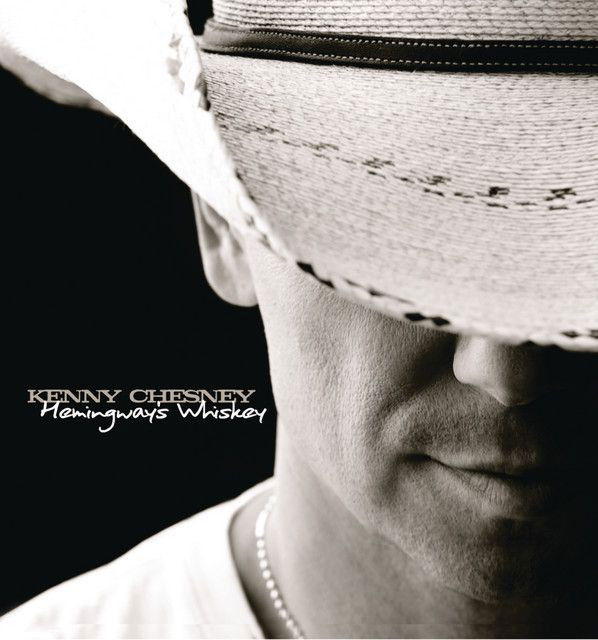
Released on Kenny Chesney's Hemingway's Whiskey in 2010, the track features Grace Potter and was written by Matraca Berg and Deana Carter. It later earned major award recognition, including Grammy nominations, which helped confirm how deeply it connected with listeners. Those are factual points tied to the song's history, not interpretation.
A Love Song That Acts Like a Warning
At first, the song sounds like a moody country ballad about a breakup that never fully ends. But the writing quickly makes the real idea clear. The narrator is not just sad. They are trapped in a cycle they understand very well.
The key line is the pairing of a person with a substance. When they sing you and tequila
, the song treats both as forces that weaken judgment. That is why the chorus does not sound playful. It sounds like confession.
Interpretation: the song is about relapse in more than one form. It can be heard as returning to an ex, returning to drinking, or both at the same time. The power of the lyric is that it never forces only one reading.

Watch the official You and Tequila
music video
The Story Inside the Verses
The verses place the narrator in a lonely, restless setting. They are out driving and waiting for night, already moving toward trouble. The image of Mulholland Drive
adds a cinematic feel, but it also suggests height, distance, and risk. They are above the city lights, yet not above temptation.
Then the song shifts from scene-setting to self-knowledge. The narrator has tried to stay away. They mention thirty days and thirty nights
, which sounds like a serious stretch of resistance, almost like counting sober days or time away from a destructive lover.
That matters because the song is not about innocence. They know exactly what happened before. They remember the morning after, the emotional and physical aftermath, and still feel the pull.
One is one too many
One more is never enough
Those lines are the song's clearest statement of compulsion. Whether they mean drinks, nights together, or both, the idea is the same: moderation is no longer possible.
How the Chorus Turns Desire Into Poison
The chorus is strong because it avoids dramatic storytelling and goes straight to bodily language. The phrase poison in my blood
makes desire feel chemical. This is not a crush they can shake off with logic. It has gotten inside them.
That choice of words also explains why the song feels so intimate. Heartbreak songs often talk about memories or promises. This one talks about the body. They are not only emotionally attached; they are physically affected.
Interpretation: by describing attraction like poison, the song suggests that pleasure and harm have become inseparable. That is why the relationship feels doomed even before the next mistake happens.
Why the Duet Matters So Much
Kenny Chesney's lead vocal brings weariness and restraint. Grace Potter's harmony does something different: it deepens the ache without turning the song into a fight between two characters. They do not sound like opponents. They sound like two voices inside the same storm.
That is a big reason the song works so well. Potter's tone adds a bluesy edge, while Chesney keeps the delivery grounded and tired. Together, they make the song feel less like a lecture and more like a shared weakness.
From a production standpoint, the arrangement stays spacious. The slow tempo, soft percussion, and gentle guitar create room around the vocal. Nothing rushes. That restraint mirrors the theme: this is a late-night song about trying, and failing, to hold the line.
The Symbols That Keep Repeating
Several images tie the song together:
- Night driving suggests aimlessness and temptation.
- Height above town suggests distance, but not escape.
- Tequila stands for loss of control.
- Morning bitterness stands for consequences.
- Blood and poison turn emotion into a physical condition.
These symbols help explain why the song feels bigger than a simple breakup ballad. It is about habit, craving, and self-awareness. The narrator sees the cliff edge clearly and keeps walking toward it anyway.
Why Listeners Respond So Strongly
Part of the appeal is its honesty. Many songs about destructive love try to sound glamorous. This one does not. It admits weakness in plain language and gives that weakness a memorable hook.
It also reaches beyond one specific story. A listener does not need to have had this exact romance, or this exact relationship with alcohol, to understand it. Anyone who has gone back to something that hurt them can hear themselves in it.
That broad emotional truth is the heart of the meaning of You and Tequila Kenny Chesney, Grace Potter. It is a song about knowing better and still wanting more.
The Lasting Meaning of the Song
In the end, they present desire as a force that can feel thrilling, familiar, and deadly all at once. The song never offers a neat escape route. Instead, it stays inside the tension between memory and appetite.
That is why it lingers. It is not just about missing someone. It is about recognizing a pattern and fearing they may repeat it anyway.
Disclaimer: This interpretation is based on the released lyrics, performance, and public song history. As with any art, listeners may hear different meanings in the song.








