Why Kenny Chesney's 'Pirate Flag' Feels Like Escape
For listeners searching for the meaning of Pirate Flag Kenny Chesney, the song lands as a light, catchy anthem about walking away from pressure and choosing a freer state of mind. On the surface, it is a beach-country singalong filled with rum, sand, and motion. Under that easy mood, though, it is really about identity: the pull between where someone came from and the life they secretly want.
"Pirate Flag" - Kenny Chesney
Smoky Mountains, nice place to hang around
Moonshine, that's where they make it
Loading lyrics...
Unable to load lyrics
We're unable to display the lyrics at this time. Please try again later.
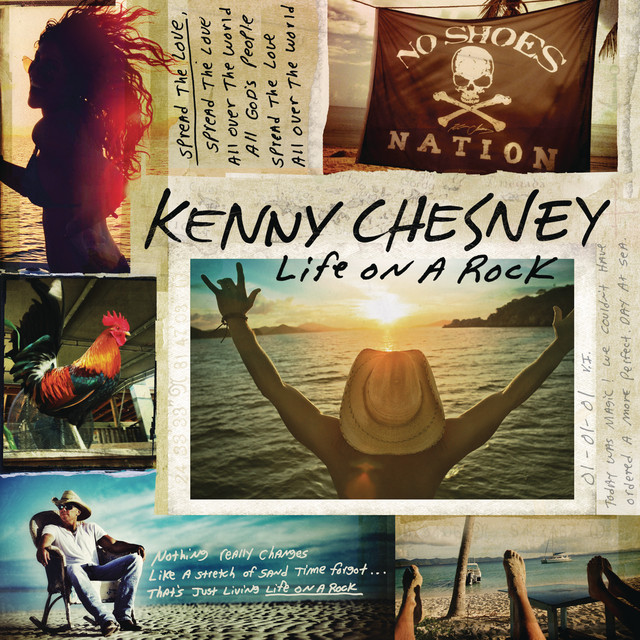
Released in 2013 as the lead single from Life on a Rock, “Pirate Flag” was written by Ross Copperman and David Lee Murphy and produced by Buddy Cannon and Kenny Chesney. Those facts matter, because the song fits a period when Chesney leaned hard into his island-country persona without fully leaving his small-town roots behind.
A Beach Song With a Bigger Point
At the story level, the narrator starts in a mountain hometown and then heads toward the coast. That move is not just about geography. It signals a personal reset. When the song describes getting on a bus and stepping into the sun, it turns travel into freedom.
The chorus makes the emotional trade very simple. The narrator says they found a whole 'nother world
. That phrase matters because the song is not about a short vacation. It is about discovering a new way to live, or at least a new way to imagine living.
Interpretation: the “pirate flag” is less about rebellion in a dangerous sense and more about refusing dull expectations. It stands for private independence, a decision to stop asking permission.

Watch the official Pirate Flag
music video
From Smoky Mountains to Salt Air
One reason the song works is its clear before-and-after structure. The opening sets up a “homegrown” world of woods, moonshine, and familiarity. The later scenes replace that with boats, bars, wind, and dancing.
That contrast creates the song’s main tension:
- home can be warm and real
- freedom can still call louder
- escape can feel exciting and a little reckless
The narrator does not hate the past. In fact, the song briefly looks back with affection. They remember life under a big moon and admit it was good. That detail keeps the song from becoming a cheap fantasy. It suggests they are not running from misery. They are chasing possibility.
What the Chorus Really Means
The repeated image of pirate flag and an island girl
sounds playful, but it carries the whole theme. The flag represents attitude. The island girl represents the life attached to that attitude: movement, sensuality, spontaneity, and a world far from routine.
The line running around
also matters. It shows this person has always been restless. In other words, the island did not create the urge to roam. It simply gave that urge a shape.
Still let the windblow me around
This brief moment sums up the song’s philosophy. Instead of controlling every outcome, the narrator accepts drift, chance, and instinct. That can sound irresponsible, but the song presents it as emotional honesty.
Kenny Chesney's Context Helps Explain It
Kenny Chesney has long mixed country storytelling with coastal imagery, and “Pirate Flag” sits right in that lane. According to Songfacts, Chesney said the song was about the part of every person that wants to be free and say, briefly, “enough.” That comment is useful because it confirms the broad idea: this is not only a beach postcard. It is a release valve.
David Lee Murphy also explained that the song began when Ross Copperman had a groove that sounded like “pirate music.” That origin story explains why the title came first and why the track feels built around mood as much as plot.
So the song connects strongly to Chesney’s brand, but it also speaks to ordinary working listeners. They do not need a boat or tropical island to understand it. The “pirate flag” can be mental, hidden, even temporary.
How the Sound Carries the Meaning
Production plays a big role in why the message feels easy instead of heavy. The arrangement has a loose, bouncing motion. Critics noticed that too: Taste of Country praised its “organic approach,” while Roughstock said it fit modern country radio well.
That lighter sound matters because the lyrics are about choosing freedom, not fighting a battle. The rhythm moves like a sway rather than a stomp. The melody feels open, and the instrumentation hints at coastal color without leaving country completely behind.
Interpretation: this blend mirrors the narrator’s life. They still come from the country, but they are now filtering that background through beach culture. The music itself becomes a border crossing.
Symbols Hidden in Plain Sight
Several small images do quiet symbolic work:
The Bus
The bus is ordinary, not glamorous. That makes the escape feel reachable. This is not celebrity travel. It is a regular person making a bold turn.
The Bottle
When the song mentions note in a bottle
, it turns romance into chance. The narrator is tossing desire into the unknown and seeing what comes back.
The Flag
A pirate flag is a warning sign in history, but here it becomes a badge of self-rule. It says the narrator is no longer living by someone else’s map.
The Song's Lasting Appeal
Part of the reason “Pirate Flag” connected is that it arrived as a strong radio single, reaching No. 3 on U.S. Country Airplay and later earning Platinum certification in the United States. Those numbers suggest the theme hit a nerve.
Its appeal is simple: many listeners know the feeling of wanting to break routine without blowing up their whole lives. “Pirate Flag” gives them a safe fantasy and a workable metaphor. They can keep the job, keep the hometown memories, and still imagine a freer self.
In the end, the meaning of Pirate Flag Kenny Chesney is about emotional escape more than literal escape. It celebrates the moment when a person admits they want more air, more motion, and less control. That is why the song still works: it invites listeners to raise a flag of freedom, even if only in their heads.
Disclaimer: This interpretation is based on the lyrics, available artist comments, and the song’s production context. Different listeners may hear the meaning differently.








