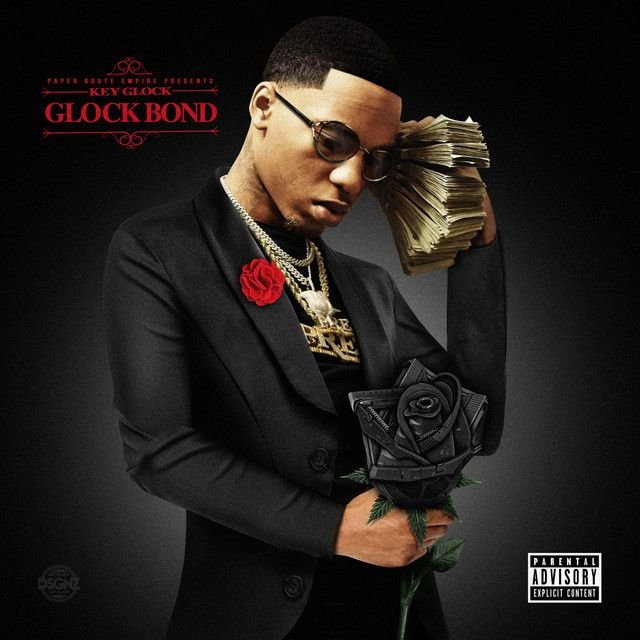
Why ‘Count Up’ by Key Glock Hits So Hard
The meaning of Count Up Key Glock starts with a simple idea: they turn counting into a victory lap. The song is not subtle, and it does not try to be. Instead, it builds a blunt portrait of money, hustle, status, and the pressure to protect all three.
"Count Up" - Key Glock
Play with your pussy not me ho
Ha, bitch
Loading lyrics...
Unable to load lyrics
We're unable to display the lyrics at this time. Please try again later.
Key Glock, born Markeyvius Cathey, built much of their reputation on forceful solo records and Memphis-rooted confidence. Critics noted that Yellow Tape pushed that style with no guest features and a tight focus on their own voice and perspective, while Pitchfork described the tape as full of “wicked truths” and “unfiltered confidence” (Pitchfork). That context matters, because “Count Up” sounds like a pure example of that mission.
A Hook That Turns Money Into Momentum
At the center of the track is a counting hook that moves step by step through getting paid, being fresh, facing envy, and having product to move. The repeated sequence makes the song feel almost childlike on the surface, but that simplicity is the trick. It makes the message easy to remember and hard to ignore.
When they repeat ideas like gettin' my loot
and money everywhere
, the song presents wealth not as a rare reward but as a daily condition. The hook sounds playful, yet the content is serious: cash is proof that they won.
Interpretation: the counting pattern also suggests order and control. In a world where street life can feel unstable, they frame their rise as measured, organized, and unstoppable.
Watch the official Count Up
music video
Swagger With a Threat Behind It
A big part of the meaning of Count Up Key Glock is how often celebration sits next to danger. They brag about cars, clothes, and spending, but those details are never far from warnings. The song keeps telling listeners that success has to be defended.
That is why lines about being really rich
sit near threats and weapon imagery. Even the playful moments are guarded by aggression. They are not just saying they have money; they are saying nobody should test them over it.
This balance fits Key Glock’s wider image on Yellow Tape. Pitchfork’s review argued that the project avoids softening its worldview for pop appeal, choosing brutal honesty over crossover polish (Pitchfork). “Count Up” follows that path. It is catchy, but it never becomes gentle.
The Story They Tell in Small Brags
There is no complex plot here, but the verses still sketch a clear life story. They move through a few key ideas:
- They are getting money consistently.
- They see hustling as skilled work, even calling it
trappin' is a sport
. - Their fashion and car choices show visible success.
- Other people respond with jealousy and gossip.
- Violence remains close, both as threat and defense.
That sequence matters. The song frames wealth as earned through hustle, then immediately shows the social cost of that rise. Envy follows success. So does suspicion. So does confrontation.
Memphis Energy, Minimal Frills
The production tag in the intro points to Sosa 808, and the beat does exactly what the opening promises: it knocks hard. The drums feel blunt and physical, leaving space for Glock’s voice to ride with confidence instead of fighting the instrumental.
There is not much softness in the sound. It is repetitive in a purposeful way, matching the repetitive nature of counting, stacking, and flexing. That stripped-down force connects with what reviewers heard across Yellow Tape: moody, muscular production supporting Key Glock’s focused delivery (Pitchfork).
Why the Beat Matters
The beat helps turn boasting into pressure. If the instrumental were lighter or more melodic, the lyrics might feel cartoonish. Instead, the low-end weight makes every line land like a challenge.
That is especially important because the song leans on repetition. The production makes repetition feel hypnotic rather than lazy.
More Than Flexing: What the Repetition Reveals
On first listen, “Count Up” can sound like a pure money anthem. And factually, that is a big part of it. They rap about cash in pockets, luxury shopping, jewelry, and a Benz. Those are standard rap status markers.
But repetition gives the song another layer. By saying over and over that there is cash all around them, they reveal a mind fixed on abundance as security. In this world, money is not just comfort. It is identity, proof, and survival.
Money over here
Money over there
That short refrain is simple enough to chant, but it also shows how total the focus has become. Everything in the song bends back toward money.
Interpretation: this can be heard as triumph, but also as tunnel vision. The track does not pause to ask whether that lifestyle satisfies them emotionally. It only insists that it proves their rank.
Why the Song Connects
Part of the appeal is that Key Glock sounds fully convinced by what they are saying. They do not overexplain. They state, repeat, and move on. That confidence is central to their style and to the reception of Yellow Tape, which stood out partly because they carried the project alone with a strong, unmistakable point of view (Pitchfork).
For listeners, “Count Up” works because it is direct. It offers a fantasy of visible success, but it keeps the rough edges attached. The money shines, yet the danger never disappears.
Final Read on the Track
The meaning of Count Up Key Glock is not hidden. They present wealth as evidence of survival, hustle as a discipline, and aggression as part of maintaining status. The counting hook makes that worldview feel simple, memorable, and relentless.
That is why the song hits: it turns brag rap into a system. Every number adds another piece of the persona until the listener sees the full picture—rich, alert, envied, and always ready.
Disclaimer: This interpretation is based on the song’s lyrics, performance, and available critical context. As with any art, listeners may hear different meanings in it.







