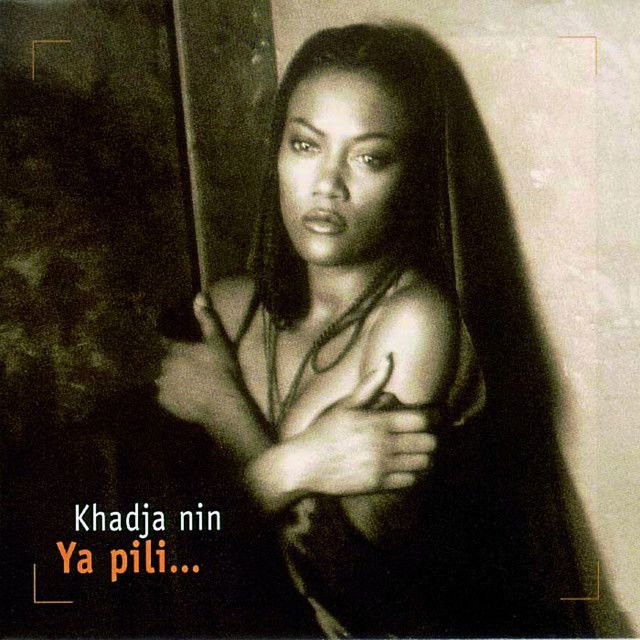
Sambolera Mayi Son by Khadja Nin
They don’t need a translation to feel the ache in Sambolera Mayi Son. The track moves like a marching prayer, naming the world’s wounds and asking why anyone would fight in God’s name. For readers searching the meaning of Sambolera Mayi Son Khadja Nin, the song stands as a clear, human appeal: stop the bloodshed, honor life, and remember we share the same heart.
"Sambolera Mayi Son" - Khadja Nin
(Khadja Nin/Kevin Mulligan)
Duniya ile Sambolera
Loading lyrics...
Unable to load lyrics
We're unable to display the lyrics at this time. Please try again later.
A prayer that questions holy wars
The song’s emotional peak arrives with a set of stark, repeated questions:
Oh! guerre ya mungu gani? Oh! guerre ya rangi gani? Oh! guerre rangi ya damu Rangi ni moja
In plain terms, it asks: What kind of God’s war is this? What color war? If blood is the color of war, its color is one. That last idea—the same color—drives the song’s ethic of unity. It strips away racial and ethnic labels and returns to a single fact: every person bleeds the same.

Watch the official Sambolera Mayi Son
music video
Plain talk to the “people of the world”
Early lines address the crowd as Watu wa dunia
—people of the world—hinting that the message isn’t local. The narrator observes that some draw close to power and claim sacred cover, then pushes back with Siyo wa mungu
(not of God). The moral stance is firm: faith is not a shield for cruelty.
The lyrics switch among Swahili, French, and even Spanish (“corazon,” heart). That multilingual weave widens the circle. It sounds like a crossroads where cultures meet, making the warning harder to ignore.
Who’s speaking—and to whom?
The voice feels communal, almost like a village elder or chorus. At times, it turns upward with Mungu akipenda
—if God wills—asking for guidance. Then it pivots back to the crowd, questioning leaders and followers alike. This shifting address keeps the song open-ended: anyone listening is part of the moral jury.
What happens in the song’s timeline
They can hear a simple arc:
- The narrator names the world’s chaos and the people who excuse it.
- They predict a reckoning before God: claims will be tested.
- War erupts;
Damu ni mingi
(there is much blood). - A counter-message rises: let them talk, keep going,
Mayisha yako mbele
(your life is ahead). - Courage is urged over fear as the chant builds.
The tension sits between public noise and private conscience. The song keeps choosing conscience.
Symbols, colors, and a single heart
Two symbols do the heavy lifting. First, blood. By calling out its color and saying it is one, the lyric short-circuits racist, tribal, or sectarian arguments. Second, the heart—“corazon”—drops like a universal signpost. It’s the same organ everywhere, a reminder that grief and love translate across borders.
Interpretation: The repeated questions about God’s war and color suggest the song targets conflicts justified by religion or identity. It doesn’t name a country, which lets listeners map it to their own histories.
How the sound carries the message
Sambolera Mayi Son moves with a mid‑tempo Afro‑pop groove: hand percussion, warm bass, nimble guitar lines, and stacked harmonies. The arrangement feels circular—call‑and‑response phrases return like waves. That design mirrors the lyric’s moral refrain: each cycle pushes the point a little further.
Khadja Nin’s vocal sits forward but never harsh. She leans into round vowels and open tones, which softens the harder questions. When the chorus tightens, the harmonies sound like a community stepping in to witness. The production balances clarity and lift, letting the words ride on rhythm rather than fight it.
Why the refrain matters
The title word—Sambolera—works like a rallying syllable more than a dictionary entry. It anchors the sections and keeps the crowd involved. Interpretation: As a refrain, it functions like a drumbeat at a march, helping memory and courage hold steady when fear rises.
Alternate readings worth weighing
- Historical lens: Given Khadja Nin’s East African roots, some hear the song as a response to the region’s 1990s conflicts. The lyrics avoid names, which turns a local pain into a universal lesson.
- Spiritual lens: The song can also read as a believer’s lament. It asks the faithful to judge actions—not labels—against a God of mercy. In this view, the problem is hypocrisy, not faith itself.
Both readings work because the lyric keeps asking questions instead of handing out slogans.
Takeaway for today
For listeners in the United States, the meaning of Sambolera Mayi Son Khadja Nin resonates in debates about identity, religion, and violence. The song strips all that down to one measure: the color of blood and the worth of a single life. It’s a firm, tender push toward seeing the other as kin.
Disclaimer: This interpretation is based on lyrical analysis, language cues, and publicly available context. Meaning can vary by listener and performance.








