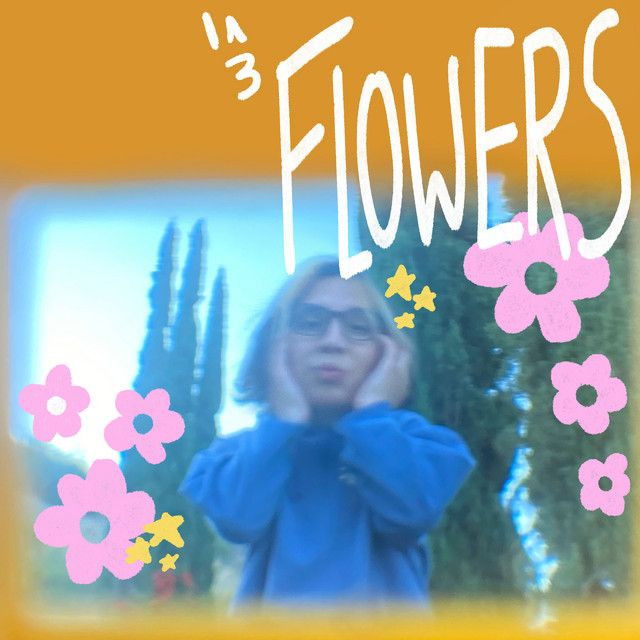
Flowers by khai dreams
The meaning of Flowers khai dreams centers on emotional hesitation. The song sounds gentle, but its words are full of doubt, delay, and inner conflict. Rather than telling a simple love story, it captures the moment when someone feels love growing and still cannot answer it with confidence.
"Flowers" - khai dreams
I wanted, wanted less, I know things, batter up
I think I'm fine with all the trade-offs, give it up
Loading lyrics...
Unable to load lyrics
We're unable to display the lyrics at this time. Please try again later.
A Love Song About Bad Timing
At its core, the track is about wanting connection while feeling unready for it. Early lines like fell in love
and wanted less
sit next to each other, which creates the song's main tension. They suggest a person who craves intimacy but also fears what comes with it.
That conflict matters because the narrator is not rejecting love outright. They are trying to survive it. When they say they need time and feel like life is being turned upside down, the song frames love as something beautiful but destabilizing.
Interpretation: The heart of the song is not coldness. It is overwhelm. The narrator may care deeply, but care alone is not enough when someone feels emotionally scattered.
Watch the official Flowers
music video
The Narrator's Voice Feels Honest Because It Is Unfinished
One striking part of the lyric writing is how incomplete many thoughts sound. Phrases such as I don't know
and give it up
feel almost conversational, like someone thinking out loud instead of making polished declarations.
That unfinished quality gives the song realism. Many songs about romance present clear answers: stay, leave, fight, forgive. This one lives in the messier middle. The narrator seems aware that another person is waiting, hoping, and maybe hurting, but they still cannot offer certainty.
A Quiet Story of Delay and Guilt
The song's emotional movement is subtle, but a rough timeline appears:
- They feel love arrive quickly.
- They admit the relationship comes with trade-offs.
- They ask for time and space.
- They realize their delay leaves the other person waiting.
- They still end without clear resolution.
That pattern makes the chorus especially important. When the narrator admits I'll leave you waiting
, the song stops sounding like private confusion and starts sounding like a confession. They understand their uncertainty has consequences.
And can you keep it up?Held to that shit like a promiseHave you had enough?
This short moment captures the song's emotional pressure. The narrator wonders whether the other person can keep holding on. At the same time, they seem to know it may be unfair to ask.
Symbols of Holding, Falling, and Silence
Several images repeat across the lyrics, and they all support the same theme.
Falling
The idea of falling appears more than once. In plain terms, it points to love arriving fast and without much control. Falling in this song does not feel thrilling in a simple way. It feels risky.
Holding
The song also returns to the language of holding things: wishes, promises, feelings that cannot quite be carried. When the narrator says they want everything I can't hold now
, the lyric suggests emotional overload. They may want the relationship, but they cannot manage its weight yet.
Silence
Near the end, they describe being stuck in silence. That matters because silence in this song is not peaceful. It feels like a pause caused by fear, confusion, or emotional exhaustion. The relationship does not fail because feeling is absent; it stalls because language is.
How the Sound Supports the Meaning
khai dreams is known for soft, intimate music shaped by bedroom pop, lo-fi, and indie R&B textures, as noted in artist profiles and streaming bios from platforms like Spotify and Apple Music. That context helps explain why this song feels so inward.
The production style is key to the meaning of Flowers khai dreams. Instead of big drums or dramatic vocal peaks, the track leans into a hazy, floating atmosphere. That makes the uncertainty feel private. The listener is placed inside the narrator's head, where thoughts loop and resolve slowly.
Even without a loud climax, the song builds emotional weight through repetition. Repeated lines act like recurring thoughts. They mimic rumination, the way a person circles the same fear without reaching a firm decision.
Artist Context and Songwriting Clues
The user-provided writing credits list Khai Duong, Matthew Jordan, Timothy Aspen, and Pharaoh Vice. That collaborative writing may help explain the song's balance between diary-like intimacy and carefully shaped repetition.
khai dreams often writes in a style that feels soft-spoken and emotionally open. In that context, "Flowers" fits their larger artistic identity: songs that sound comforting on the surface while carrying uncertainty underneath. That contrast is part of what makes the track resonate.
Two Strong Ways to Read the Song
Interpretation 1: Romantic unreadiness. This is the clearest reading. The narrator cares for someone but cannot meet them fully yet. The repeated delay, the requests for time, and the guilt all support that idea.
Interpretation 2: Personal instability beyond romance. The relationship may also act as a mirror for a broader life crisis. References to trade-offs, silence, and things being turned upside down suggest someone struggling with more than love alone.
Both readings can be true at once. In fact, that overlap gives the song much of its power.
Why the Song Stays With Listeners
What makes "Flowers" affecting is its refusal to fake certainty. The narrator does not promise forever, and they do not stage a dramatic goodbye. They simply show what it feels like to be emotionally sincere and emotionally unready at the same time.
For many listeners, that honesty is the point. The song understands that love is not always broken by lack of feeling. Sometimes it is delayed by fear, timing, and the painful fact that caring for someone does not automatically make a person ready for them.
Disclaimer: This interpretation is based on the lyrics, available artist context, and the song's musical presentation. As with any art, other readings are possible.








