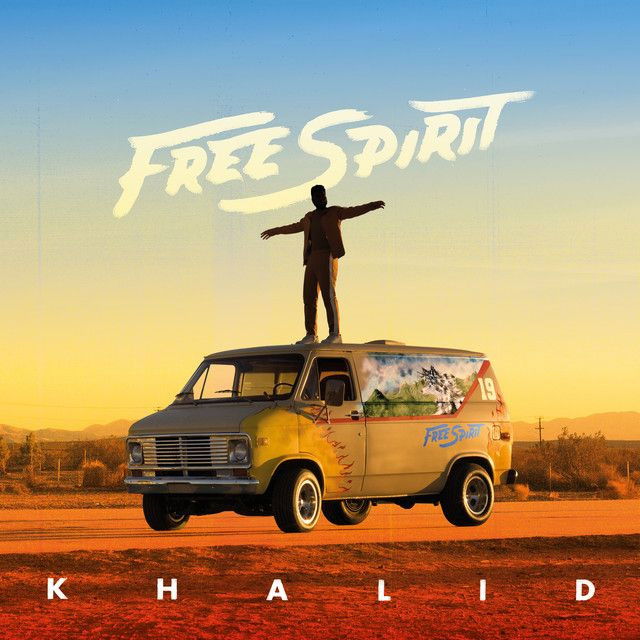
Paradise by Khalid
Khalid’s “Paradise” sounds light at first, but the meaning of Paradise Khalid is heavier than its dreamy title suggests. The song is not simply about pleasure or freedom. It is about people searching for relief, trying to feel alive, and learning that escape does not erase pain.
"Paradise" - Khalid
You sit back and close your eyes
We're burnin', yet so alive
Loading lyrics...
Unable to load lyrics
We're unable to display the lyrics at this time. Please try again later.
That tension gives the track its emotional pull. It floats between late-night warmth and real-life consequences, making “paradise” feel less like a place and more like a brief state of mind.
A Search for Heaven That Never Quite Lands
At the center of the song is a person chasing something better. When Khalid frames that search as searchin' for paradise
, he points to a common urge: wanting peace, thrill, healing, or a clean break from stress. But the song quickly complicates that dream.
The lyrics pair excitement with danger. A line like catch the high
suggests pleasure and release, yet it also hints that the feeling is temporary. The song’s world is full of moments that feel beautiful and alive, but they pass fast.
Interpretation: “Paradise” seems to mean any form of escape people hope will save them—partying, substances, romance, spiritual comfort, or even fantasy itself. The song does not mock that desire. Instead, it treats it with empathy.

Watch the official Paradise
music video
The Verses Turn Escape Into Consequence
One of the song’s sharpest moments brings family into the picture. When the lyrics mention your mama cry
, the emotional frame changes. This is no longer just about private choices or late-night vibes. Someone else is hurt by the search for numbness.
That detail makes the song feel grounded. It suggests a person who knows they are drifting, while a parent sees the cost more clearly. The phrase about wastin' your life
adds pressure, shame, and fear.
Khalid then brings in spiritual language. The song says prayer alone does not stop life, and it warns that getting high will not remove guilt. In plain terms, the track argues that neither wishful thinking nor chemical escape can undo yesterday’s mistakes.
What the Chorus Really Defends
If the verses diagnose the problem, the chorus offers a loose answer. It begins with a strong contrast: Hate don't give
. From there, the song pushes toward a more generous idea of love.
Love, in this song, is not measured by money, perfect timing, or constant happiness. It does not need “all the good times” to be real. That matters because the people in “Paradise” are flawed, restless, and tired. They are not in a polished self-help story. They are in the middle of life.
Interpretation: The chorus sounds like advice to someone on the edge of spiraling. Do not let shame define everything. Do not overthink every wound. Hold onto connection, even after the party ends.
Distance, Isolation, and the Need to Be Heard
Later, the song shifts from observation to communication. The line about hearing someone through speakers suggests emotional distance shaped by technology, space, or fame. Even when music travels far, real understanding can still feel hard to reach.
That section deepens the song’s compassion. Khalid admits confusion too, describing deeper thought, fractured sleep, and a lack of guidance. The lyric about needing more teachers instead of leaders points to a wider social hunger. People do not just want authority; they want help.
This is one reason the meaning of Paradise Khalid resonates with listeners. The song is personal, but it also captures a generation’s mix of overstimulation, loneliness, and spiritual fatigue.
How the Sound Supports the Message
The production helps sell that uneasy beauty. “Paradise” was written by Khalid Robinson, Sarah Aarons, Dacoury Natche, and John Hill, with Hill widely credited as a key creative force in Khalid’s catalog; songwriting credits for the track are listed in official release databases such as ASCAP and streaming metadata like Spotify.
Musically, the song leans on soft percussion, airy textures, and a smooth melodic flow. That gives it a floating quality, matching the fantasy of paradise. But Khalid’s vocal delivery keeps a tired, reflective edge, so the track never becomes pure bliss.
The contrast matters. The beat feels easy to sink into, while the lyrics keep warning that comfort can become avoidance. That push-pull is the song’s design.
Two Strong Ways to Read “Paradise”
There are at least two convincing readings of the song:
- A song about substance use and its limits. References to getting high, guilt, and family pain support this reading.
- A broader song about emotional escape. “Paradise” can also stand for any temporary fix people use when life feels too heavy.
Both readings work because the lyrics stay open. Khalid does not lock the track into one tidy lesson. He leaves room for listeners to bring their own story.
Why the Song Still Connects
What makes “Paradise” memorable is its refusal to choose between softness and warning. It understands why people chase relief, but it also knows relief can become another trap.
That balance is the heart of the meaning of Paradise Khalid. The song says paradise may feel close in a single night, a single high, or a single moment of love—but real healing asks for more than escape.
Disclaimer: This article offers interpretation based on the lyrics, credits, and musical presentation. Song meaning can remain open, and listeners may hear something different.









