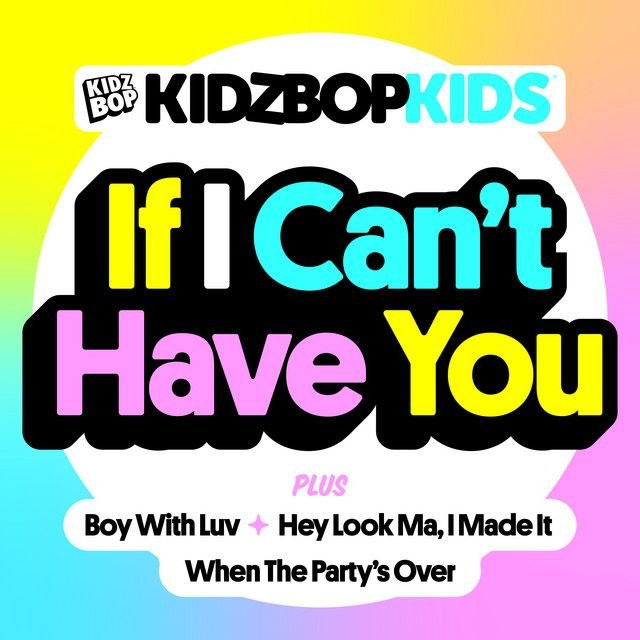
Why ‘Hey Look Ma’ Feels Proud and Uneasy
The meaning of Hey Look Ma, I Made It Kidz Bop Kids starts with a simple idea: they sing about finally reaching success and wanting someone at home to see it. But beneath that bright hook, the song also points to the pressure, ego, and loneliness that can come with fame.
"Hey Look Ma, I Made It" - Kidz Bop Kids
'Cause I'm a singer sellin' songs and I'm on a record label
This world is full off demons
Loading lyrics...
Unable to load lyrics
We're unable to display the lyrics at this time. Please try again later.
Even in the Kidz Bop Kids version, that tension remains. The track sounds cheerful and polished, yet the words describe a world where achievement is tied to competition, image, and trust. That mix of celebration and caution is what gives the song its staying power.
A Victory Song With a Side Eye at Fame
On the surface, the song is easy to hear as a big pop anthem. The singer says Hey look ma, I made it
, which sounds like a proud message sent back home after a long climb. It captures the emotional payoff of hard work and recognition.
But the verses complicate that moment. They describe a world shaped by business, status, and performative relationships. When the song mentions money culture and a competitive scene, it suggests that success is not pure. It may feel thrilling, but it also comes with moral messiness.
Interpretation: They can hear the chorus as both sincere and slightly ironic. The singer really has made it, yet the song asks whether “making it” is as satisfying as people imagine.

Watch the official Hey Look Ma, I Made It
music video
Who They Seem to Be Singing To
The direct address to “ma” matters because it gives the song a human center. Instead of speaking only to fans or critics, the voice turns toward family. That makes the hook feel less like bragging and more like proof: all the effort led somewhere.
At the same time, the title phrase also sounds performative. In a culture built on public wins, saying I made it
can become part celebration, part self-advertising. The song plays with both feelings at once.
The Emotional Split in the Chorus
The line don’t wake me
adds another layer. They can hear disbelief in it, as if success feels so huge that it barely seems real. That keeps the chorus from sounding fully secure.
So the emotional message is split in two:
- pride in achievement
- shock at sudden success
- fear that it could disappear
How the Verses Build the Story
The opening sets up a life of striving. The singer presents themself as someone who has been working toward this moment for a long time. That gives the chorus its force: the payoff only matters because there was struggle first.
Then the song turns darker. It describes a world of fake support, shallow praise, and people who want a share of someone else’s win. A phrase like nothing but these phonies
shows that fame can blur real friendship.
Later, the trust problem gets even sharper. The lyric idea is that when success changes the room, it becomes hard to know who is genuine. That is one of the song’s strongest themes: achievement can isolate the very person it seems to reward.
Big Symbols in Small Pop Lines
Several images help deepen the song’s message. The phrase garden of evil
turns the industry into a tempting but corrupted place. It sounds glamorous, yet morally risky.
The image of a golden cathedral
pushes that idea further. Gold suggests wealth and status. A cathedral suggests worship. Put together, they imply a world where fame itself has become something people bow to.
Interpretation: They may read these images as a critique of celebrity culture. The song does not simply want success; it notices how success can act like a new religion, complete with its own values, rituals, and false promises.
Why the Sound Matters So Much
A huge part of the song’s meaning comes from its production. The track is bright, bouncy, and sleek, with punchy drums, shiny synth-pop textures, and a singalong chorus. That sonic lift makes the song feel triumphant before listeners even process the words.
That contrast is important. If the song had been dark and moody, its criticism of fame would feel obvious. Instead, the upbeat production mirrors the seductive side of stardom. The sound sells the dream, while the lyrics question the cost.
For the Kidz Bop Kids version, that bright energy becomes even more central. Their group vocals emphasize the anthem quality, making the song feel younger and more openly celebratory. Even so, the core writing still carries a message about ambition in a world that can be fake and transactional.
Artist Context Behind the Song
The song was released by Panic! at the Disco in 2018 on Pray for the Wicked, a period when Brendon Urie was leaning into theatrical pop and fame-focused storytelling. Official credits list Brendon Urie, Dillon Francis, Jake Sinclair, Michael Angelakos, Morgan Kibby, and Sam Hollander as writers. Jake Sinclair is also widely credited as a producer on the track.
That background matters because the song comes from artists who know commercial pop from the inside. This is not an outsider’s attack on celebrity culture. It sounds more like an insider admitting that success feels amazing and absurd at the same time.
The Best Way to Read the Ending
By the end, the repeated hook becomes almost overwhelming. That repetition mirrors fame itself: success has to be announced again and again to stay alive in public view.
Interpretation: They may hear the ending as both a real celebration and a nervous mantra. If the singer keeps repeating it, maybe they are trying to convince the world. Maybe they are also trying to convince themselves.
Final Take on the Song’s Message
The meaning of Hey Look Ma, I Made It Kidz Bop Kids is not just “they became successful.” It is about the thrill of arrival mixed with the weird emotional price of getting there. The song celebrates ambition, but it also warns that fame can distort trust, values, and identity.
That is why the track feels so catchy and so uneasy at once. It gives listeners the rush of victory, then quietly asks what victory is really worth.
Disclaimer: This interpretation is based on the song’s lyrics, performance, and public credits. Meaning can vary from listener to listener.








