Why Killer Mike’s 'Don’t Die' Sounds Like Survival
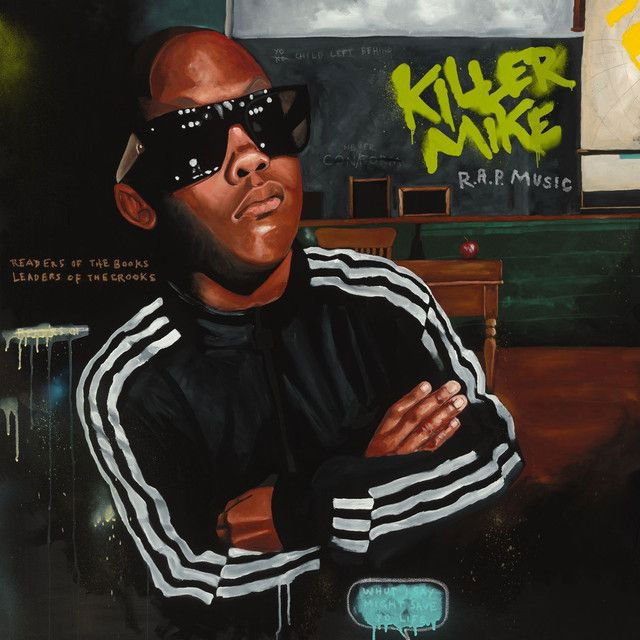
Killer Mike’s “Don’t Die” plays like a siren in story form. Across three breathless verses, they stage a home raid, a brawl, and a desperate escape to expose how power meets Black life. The track appears on 2012’s R.A.P. Music, produced by El-P, and was publicly dedicated to victims of police violence that year. For readers searching for the meaning of Don't Die Killer Mike, here’s a clear map through its plot, politics, and sound.
"Don't Die" - Killer Mike
Who told me that he looking for a nigga on the run
I thought for a second and I screwed my face
Loading lyrics...
Unable to load lyrics
We're unable to display the lyrics at this time. Please try again later.
A Home Invasion Turns Into A Wider Indictment
The narrator wakes to officers in his bedroom and demands proof: Where is the warrant?
That question sets the theme—state force must answer to the law. Instead, the situation explodes, and the verse becomes a critique of impunity.
Mike complicates the stance with the line my dad was a cop
. He’s not speaking from ignorance; he’s calling out corruption. The raid, the macing, and the panic are written as immediate threats to his family, not abstract policy. By pushing the scene to the edge, the song argues that civil rights vanish when authority refuses limits.
Watch the official Don't Die
music video
Names, History, And The Stakes Of Speaking Out
Mike dedicated the song in 2012 to Fred Hampton, Oscar Grant, Sean Bell, and Trayvon Martin, aligning the narrative with real tragedies rather than fantasy. He threads in Larry Davis, Assata Shakur, and even Jeriko One from the film Strange Days to show how resistance stories echo across culture. The goal is to make listeners feel the fear and urgency behind the headlines.
Mid-verse, he frames how the system labels dissent: labeled outlaw, renegade, villain
. That’s the social cost of telling hard truths. The track’s references insist that the plot isn’t just a personal nightmare; it’s about what happens when speech and survival collide.
Beats Like Sirens: El-P’s Production Choices
El-P’s production turns the room into a pressure cooker. The drums hit like doors kicked in, with a thunderous kick-and-snare that keeps the chase in motion. Gritty textures and sharp synth stabs feel like flashing lights in audio form. The mix is dry and forward, leaving little air—every second feels urgent.
That sound design matters for meaning. When Mike vows he won’t sit in and obey
, the beat doesn’t let up, translating refusal into rhythm. The rapper-producer chemistry—later central to Run The Jewels—is already locked in here: Mike’s moral clarity, El-P’s dystopian machinery.
Plot Beats: From Bedroom To Fugitive
Here’s the story in four beats, each pointing back to the song’s politics:
- The raid: Officers burst in; the narrator demands legality (
Where is the warrant?
), then violence erupts. - The struggle: A gun goes off; chaos shows how quickly “protection” becomes danger when power is unchecked.
- The street: He surfaces outside to neighbors shouting and “snitches” pointing—community pressure and surveillance compound the threat.
- The creed: Faced with capture or freedom, he chooses to
die a free man
rather thanlive like a slave
. The extreme framing makes a point: dignity over submission.
Interpretations: Catharsis, Warning, Or Protest Fantasy?
Interpretation: One reading hears the song as protest catharsis. The violent turns are a pressure valve, a way to voice what many feel when law doesn’t protect them. In this view, the track is a warning shot at abusive systems, not a literal call to arms.
Interpretation: Another reading sees it as a survival manual in story form. The legal challenge, the distrust of “dirty” officers, and the closing vow are lessons about asserting rights and refusing dehumanization. The nod to real victims keeps the song anchored in consequence.
Importantly, the story is morally layered. The line about family law enforcement ties personal history to public critique. The narrator isn’t anti-law; he’s anti-lawlessness by those sworn to uphold it. That nuance is central to the meaning of Don't Die Killer Mike.
Takeaway: A Message Inside The Fury
“Don’t Die” is less about revenge than about value—whose life the state protects, and whose it doesn’t. By fusing a chase narrative with names we know from the news, Killer Mike and El-P turn angst into argument. If you’re asking for the meaning of Don't Die Killer Mike, it’s this: claim your rights, remember the fallen, and refuse to be erased.
Disclaimer: This interpretation is based on publicly available lyrics, artist statements, and production credits. Meanings can vary by listener; all lyric snippets are quoted for analysis.







