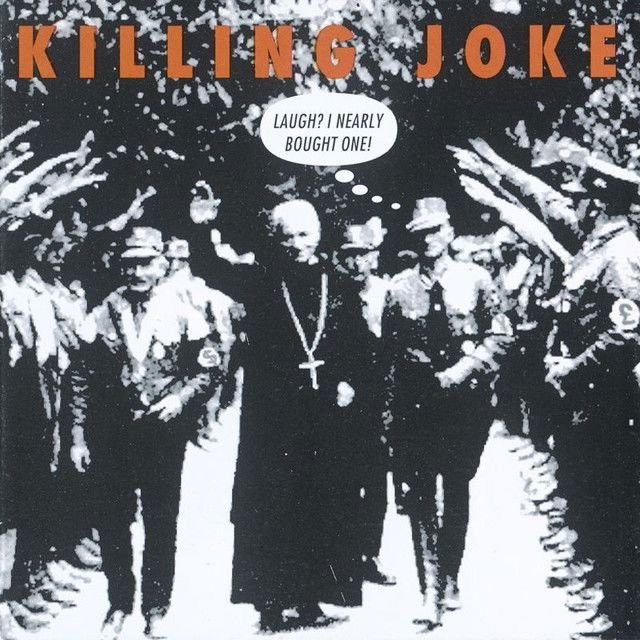
Why 'Love Like Blood' Still Cuts So Deep
The meaning of Love Like Blood Killing Joke comes down to one big idea: love is not soft here. It is urgent, dangerous, disciplined, and tied to mortality. Killing Joke turn emotion into something close to combat, which is why the song still feels so striking decades after its 1985 release.
"Love Like Blood" - Killing Joke
The life is short
I'm running faster all the time
Loading lyrics...
Unable to load lyrics
We're unable to display the lyrics at this time. Please try again later.
Released as the second single from Night Time in 1985, the track became the band’s biggest hit, reaching No. 16 in the UK and charting across Europe and New Zealand. It was produced by Killing Joke and Chris Kimsey, and its success helped define the band’s crossover moment between post-punk darkness and a more accessible, rhythmic sound.
A Love Song Written Like a Battle Cry
On the surface, the lyrics describe human struggle: short lives, constant motion, decay, frustration, and despair. But the song does not stay in hopelessness. Instead, it asks for a fierce kind of commitment. The opening image of people living like soldiers immediately frames life as conflict, not comfort.
That is why the title phrase matters so much. When the chorus repeats love like blood
, it links love to something essential and bodily. Blood gives life, but it also signals pain, sacrifice, and death. Interpretation: the song suggests that real devotion is never clean or easy; it costs something.
This reading matches lead singer Jaz Coleman’s own comments. In a Songfacts interview, he said the song was about approaching love with the passion of a soldier in battle and called it a distillation of what the band held dear. That idea helps explain why the lyrics sound both romantic and militant.
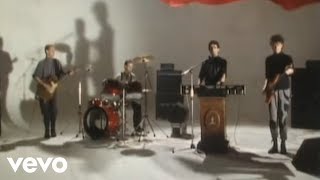
Watch the official Love Like Blood
music video
The Key Images Behind the Lyrics
Several lines sharpen the song’s message without telling a simple story. When the lyric mentions strength and beauty
being destined to decay, it reminds listeners that everything physical fades. Love, then, becomes a response to impermanence.
Another sharp image is cut the rose
. A rose usually suggests beauty or romance, but here it is interrupted in full bloom. The point seems to be that beauty cannot be preserved forever. Interpretation: the song may be saying people must act while life is vivid, before time destroys the moment.
Later, the song moves through frustration and despair
into a wider conflict where love and hate fight
. That phrase does not describe a peaceful relationship. It presents emotion as a clash of opposites, with the heart as the battleground.
We must dream of promised lands
As we move towards no end
This brief passage gives the song its deepest tension. People need ideals and visions of renewal, yet they are still moving toward death. The dream keeps them going, even when the ending is unavoidable.
What the Chorus Really Means
The chorus is simple, but its simplicity gives it force. Rather than explaining love, the song circles the phrase love like blood
until it feels more like a principle than a slogan.
Interpretation: the chorus can be heard in two ways at once:
- love is as necessary as blood
- love is as violent and sacrificial as bloodshed
That double meaning is what gives the track its staying power. It never settles into a safe definition. Instead, it keeps love tied to life, death, longing, and danger all at once.
Sound as Meaning: Why the Track Feels So Big
Part of the song’s power comes from its sound. The arrangement is dark, but it is also highly propulsive. The drums push forward with a near-dance pulse, the bass gives the song weight, and Geordie Walker’s guitar adds a sharp, metallic edge. Walker once described it as essentially disco with distorted guitar, which is a perfect summary of its strange balance.
That balance matters for interpretation. The music invites movement, but the lyrics dwell on decay and struggle. This contrast creates the feeling of marching through darkness rather than sinking into it. The song does not just describe endurance; it enacts it.
Jaz Coleman’s vocal also helps. He does not sing the words like private confession. He projects them like public conviction. That delivery makes the track feel larger than one relationship. It sounds like a statement about how to live.
Artist Context Makes the Message Clearer
Killing Joke had already built a reputation in post-punk for combining political dread, spiritual intensity, and heavy rhythms. Night Time pushed that sound toward a more melodic and accessible form without losing the band’s edge.
Coleman also said he was inspired by Yukio Mishima and what he called a warrior principle. That context is useful because it shows the song was not randomly mixing romance and combat imagery. The connection was deliberate. The lyrics imagine love as a code of action, bravery, and self-overcoming.
Why the Song Endures
The meaning of Love Like Blood Killing Joke still resonates because it refuses to separate beauty from struggle. It says life is short, bodies fade, and despair is real. Yet it also says people can answer that reality with intensity, devotion, and purpose.
That is why the track became such a lasting favorite, especially in goth and alternative circles. It offers drama, but not empty drama. Beneath the huge hook is a serious question: how should people love when they know everything passes?
Killing Joke’s answer is severe but moving. They suggest love should be lived bravely, almost defiantly, with full awareness of loss.
Disclaimer: This interpretation mixes documented artist context with critical reading. Like most great songs, "Love Like Blood" can support more than one meaning.








