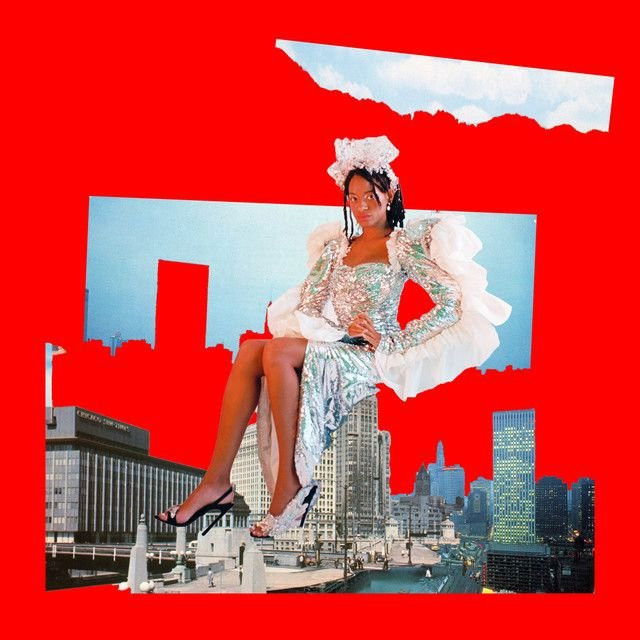
Why 'DEATH FANTASY' Feels Like a Rebirth
The meaning of DEATH FANTASY Kilo Kish, Miguel starts with a shock word and then flips it. This is not a song that glorifies destruction for its own sake. Instead, it imagines the end of a false self: the polished image, the marketable identity, and the social performance that keeps a person trapped.
"DEATH FANTASY" - Kilo Kish, Miguel
Death of my aesthetics
This false, a fiction
Loading lyrics...
Unable to load lyrics
We're unable to display the lyrics at this time. Please try again later.
Kilo Kish has long worked in a space where art, fashion, identity, and critique overlap, as shown across her official artist platforms and release history. Miguel, credited here as a co-writer with Lakisha K. Robinson, brings a smooth but emotionally direct counterweight. Together, they turn a dark title into a song about release.
The Core Idea Hiding Inside the Title
At first glance, the phrase death fantasy
sounds ominous. But the song quickly makes clear that the “death” being imagined is symbolic. They list parts of the self they want gone: image, intellect as performance, prettiness, hustle, and even the “lane” others expect them to stay in.
That matters because the song is not asking for emptiness. It is asking for freedom from a fake structure. When the lyric says death of my image
, it points to the public version of the self—the version shaped for approval. When they reject the pressure to fit a role, the song becomes a protest against branding a human being into something flat and usable.
Interpretation: The title works like a provocation. It forces listeners to face how much of modern identity is built as display. The fantasy is not self-erasure. It is self-recovery.
Watch the official DEATH FANTASY
music video
A Rebellion Against Other People's Frameworks
One of the song’s strongest ideas is that outside systems try to define who a person is before they can define themselves. The lyric about your frameworks
names that pressure directly. The speaker is pushing back against categories made by other people—social, professional, aesthetic, even political.
That refusal gets sharper with the image of a bird in a cage
. It is a familiar symbol, but it works well here because the song is obsessed with containment. A bird is meant for motion, song, and air. A cage turns beauty into display. In the same way, the speaker seems to reject being admired only when they are controlled.
This is where the song’s social critique becomes clear. The line about privilege being cheap if freedom is missing suggests that access, status, or visibility do not mean much if they still come with strings attached.
The “stage” and “page” metaphor
Later, the song attacks empty change. It says the title has been changed, but no new page has been written. In plain terms, that means institutions and people often rename things without transforming them. They update the packaging while keeping the same script.
Interpretation: This can be heard as a critique of cultural spaces that celebrate novelty, diversity, or progress in language while still controlling who gets to speak and how.
Why the Chorus Sounds Like Relief
The emotional center of the song arrives when the darkness of the title turns into something almost joyful. The phrase I'm free
changes the whole emotional frame. Suddenly, “death fantasy” no longer sounds like collapse. It sounds like escape.
That turn matters because it keeps the song from becoming purely cerebral. Kilo Kish writes with a cool, conceptual edge, but the chorus gives the song a body-level feeling of release. There is laughter in the phrasing, a sense of stepping out from under weight.
The final warning, paraphrased as a demand for distance, reinforces the point: once the false self is gone, others no longer get access to control it.
A charming death fantasy
Ha-ha-la-la-lujah I'm free
Even in this brief moment, the song mixes irony and praise. “Hallelujah” sounds spiritual, but it is playful too. Freedom here is not solemn. It is exhilarating.
How the Sound Supports the Message
Production-wise, the song’s sleek, uncluttered feel fits its theme. Rather than sounding chaotic or violent, it moves with control. That choice is smart. A song about shedding false layers should not feel overloaded.
Kilo Kish’s vocal style often balances detachment with precision, which helps the lyrics land as thought and critique. Miguel’s presence softens the edges without weakening the argument. His tone adds lift to the liberation in the hook, making the release feel shared rather than isolated.
Interpretation: The contrast between the cool verses and brighter refrain mirrors the song’s emotional journey. Constraint is described with tension and analysis; freedom arrives with melody and breath.
The Best Way to Read the Song
The strongest reading is that DEATH FANTASY is about ego death in a modern, image-driven world. It imagines the destruction of every persona built for public use.
A second valid reading is more social than personal. The song can also be heard as rejecting systems that claim to welcome individuality while still demanding conformity. The references to stages, frameworks, and repeated scripts support that broader meaning.
Either way, the song’s real power is its refusal to confuse polish with truth. It argues that beauty, craft, ambition, and intellect can all become prisons when they are performed for acceptance instead of lived honestly.
Why the Song Sticks
The meaning of DEATH FANTASY Kilo Kish, Miguel lasts because it speaks to a very current fear: being reduced to a profile, a brand, or a role. The song answers that fear with a radical wish—not to disappear, but to let the fake version die first.
That is why the track feels bold rather than bleak. It turns death into a metaphor for creative and personal freedom. In its world, the end of the performance is the start of the self.
Disclaimer: This interpretation is based on the lyrics provided and publicly known artist context. As with any art, listeners may hear different meanings in the song.








