Why 'Cat Food' by King Crimson Bites Back
The meaning of Cat Food King Crimson starts with a joke, but it does not stay a joke for long. On the surface, the song sounds playful, even silly. Under that surface, it turns grocery aisles, canned meals, and ad language into a sharp little nightmare.
"Cat Food" - King Crimson
Knocks in the manager's door
Grooming to the muzak from a speaker in shoe rack
Loading lyrics...
Unable to load lyrics
We're unable to display the lyrics at this time. Please try again later.
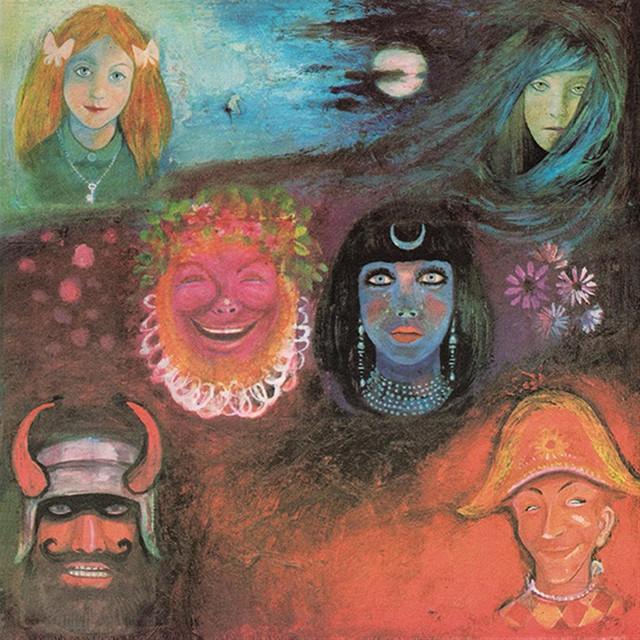
King Crimson released Cat Food
in 1970, and it appeared on In the Wake of Poseidon. The song is credited to Robert Fripp, Ian McDonald, and Peter Sinfield, three key creative voices in the band's early era. Factually, it belongs to King Crimson's restless early period, when the group mixed progressive rock ambition with irony and experimentation.
The Real Target Hiding in Plain Sight
At its core, the song seems to mock processed food and the culture built around it. The lyrics keep placing listeners in domestic spaces filled with shelves, labels, packaging, and ready-made meals. Nothing feels fresh or natural. Even the choices feel fake.
Interpretation: the song is not really about pet food alone. It uses that image as a punchline for food that has been stripped of dignity. When the chorus lands on cat food again
, it sounds like a disgusted realization: this is what people are being sold, and they are supposed to accept it.
That idea gets stronger because the verses do not describe hunger in a simple way. They describe performance. People shop, arrange, polish, and prepare. The whole system looks polished, but what it offers feels rotten.
Watch the official Cat Food
music video
Groceries Turn Grotesque
One of the smartest things about the lyric is how ordinary scenes become disturbing. A character arrives with an apple in her basket
, which sounds wholesome at first. But the song quickly shifts into cold convenience, salesmanship, and mass production.
Another verse mentions conveniently frozen
. That phrase matters because it sounds like something from an ad. It is neat, efficient, and pleasant. But in context, it feels deadened. The food is less about nourishment than about ease, repetition, and purchase.
Then the song pushes farther into dark comedy. It brings up a chemical brew
and even a product described as poisoned especially for you
. Those lines are exaggerated, but that exaggeration is the point. The song treats marketing language as a mask that can hide almost anything.
How the Chorus Sharpens the Satire
The refrain is simple, repetitive, and memorable. That simplicity matters. While the verses throw out strange details and surreal images, the chorus cuts to the blunt verdict.
No use to complain
If you're caught out in the rain
Your mother's quite insane
Cat food cat food cat food again
This is the article's only longer lyric quote, and even here the effect is clear without needing more text. The chorus sounds childish, almost like a rhyme, but its message is nasty. It shrugs at discomfort and turns bad conditions into routine.
Interpretation: the line about complaint suggests resignation. People are stuck with what they are given. Whether the song means family habits, social systems, or consumer markets, the hook makes bad taste feel inherited and repeated.
The Women in the Verses Are More Like Symbols
The song introduces figures such as the supermarket lady and the window shopper. These do not feel like deep personal portraits. They act more like cartoon versions of shoppers, homemakers, or ad-world consumers.
That choice keeps the song from becoming confessional. Instead, it becomes social satire. The women move through a world of muzak, labels, frozen goods, and canned solutions. They are surrounded by products and slogans, and the song suggests those products shape behavior.
Interpretation: the women may represent roles created by consumer culture. They are less individuals than people performing what modern shopping and domestic life expect from them.
Why the Music Sounds So Unstable
The track's sound helps explain the meaning of Cat Food King Crimson just as much as the words do. Rather than using a warm, homely arrangement, King Crimson builds the song around a jumpy, angular feel. The famous piano part is busy and almost comic, but it also sounds hectic and slightly out of control.
That matters because the lyrics are about convenience pretending to be comfort. The music refuses comfort. Its rhythm lurches. Its mood feels theatrical. The whole performance gives everyday life a manic edge, as if the supermarket itself has become absurd theater.
The vocal delivery also supports the satire. Instead of sounding intimate or heartfelt, it feels exaggerated and knowing. That distance tells listeners not to take the surface literally. They are meant to notice the mockery.
A Bigger Social Reading
There is also a wider way to hear the song. Early progressive rock often looked at modern life with suspicion, especially when technology, media, and systems of control entered everyday routines. In that context, Cat Food
can be heard as a miniature critique of mass culture.
The labels, the slogans, the processed meals, and the catchy chorus all mirror the cheap repetition they criticize. The song is catchy on purpose, but it uses that catchiness against itself.
Final Take
So, what is the meaning of Cat Food King Crimson? Most likely, it is a darkly funny attack on processed food, false convenience, and the shiny language that sells low-quality things as modern progress. Its images are silly, but the disgust behind them is real.
That mix of humor and unease is why the song still works. It makes listeners laugh first, then notice how much of daily life can be packaged, branded, and made strangely inhuman.
Disclaimer: This interpretation combines documented context with informed reading of the lyrics and music. Like many King Crimson songs, Cat Food remains open to more than one meaning.







