Why "I'd Rather Dance With You" Feels So Honest
When people search for the meaning of I'd Rather Dance With You Kings of Convenience, they usually hear the charm first. The song is light, catchy, and funny. But under that easy surface, it says something clear about connection: sometimes movement feels more truthful than conversation.
"I'd Rather Dance With You" - Kings of Convenience
So why don't we just move into the other room
There's space for us to shake and hey, I like this tune
Loading lyrics...
Unable to load lyrics
We're unable to display the lyrics at this time. Please try again later.
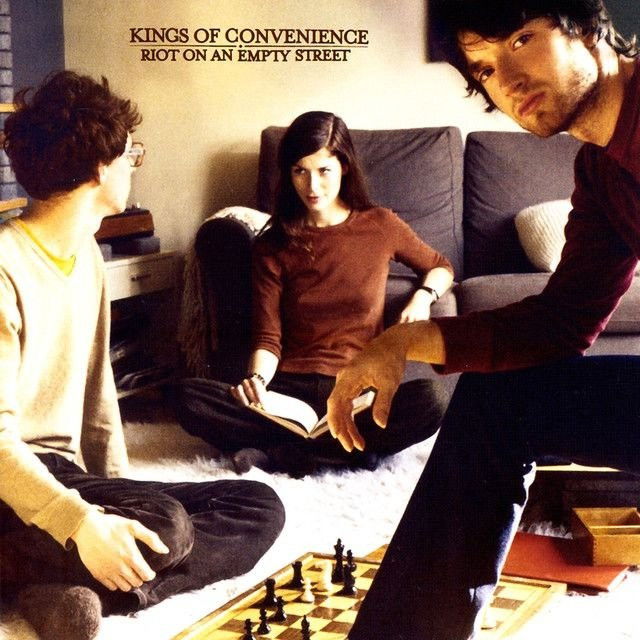
Kings of Convenience built their reputation on soft voices, careful guitar work, and understated emotion. The Norwegian duo, made up of Erlend ye and Eirik Glambek Be, are widely known for intimate indie folk-pop songs, as noted in band and label bios such as Astralwerks and reference overviews like AllMusic. In this track, they take that gentle style and place it inside a social scene where words start to fail.
The Heart of the Song Is Simple
At its core, the song is about preferring shared feeling over awkward speech. The narrator does not reject the other person. In fact, they want closeness. They just believe dancing will communicate that better than talking.
That is why the opening idea lands so fast. The phrase I'd rather dance with you
is not only a party line. It is a statement about how attraction works in the moment. They are saying: instead of forcing conversation, let the body carry the message.
Interpretation: The song suggests that honesty is not always verbal. Sometimes affection shows up through rhythm, attention, and willingness to be present.

Watch the official I'd Rather Dance With You
music video
A Flirtation Shaped by Insecurity
One of the smartest parts of the lyric is that it admits self-doubt. The narrator does not pretend to be witty or impressive. They confess that their reply might not be very interesting, and they even joke about not having much cultural material to offer.
That makes the song sweeter. Rather than acting cool, the speaker sounds exposed. The line about not reading much and not even enjoying the one film they saw turns social insecurity into comedy. It gives the song a human scale.
So the romantic energy works on two levels:
- They are flirting.
- They are also hiding from verbal judgment.
That tension is a big part of the meaning of I'd Rather Dance With You Kings of Convenience. The song is not just about choosing dance. It is about choosing the form of expression where they feel least likely to fail.
Why the Noisy Room Matters
The setting is important. This is not a quiet confession in daylight. It happens in a crowded, loud room where speech is already difficult. The lyric points out that the music's too loud
and the crowd raises the chance of misunderstanding.
That detail does two things. First, it gives the narrator a practical reason to stop talking. Second, it turns the room into a symbol. In this space, language is weak, but movement still works.
The invitation to go where there is space for us to shake
sounds playful, yet it also shows intent. They want a small zone of privacy inside a public setting. The dance floor becomes a place where intimacy can happen without big declarations.
When the Body Becomes the Message
The key lyric idea comes when the song proposes to let your hips do the talking
. That line is cheeky, but it also carries the songs thesis. Bodies can communicate mood, attraction, trust, and humor faster than rehearsed words can.
This is why the song never feels cynical. The narrator is not avoiding connection. They are looking for a better route to it. They promise to be amusing, to perform a little, to make the other person smile. In return, they hope the other person will meet them in the music.
There is a brief moment where the song practically shows that exchange:
I'll make you laugh
getting into the swing
Even in that tiny snapshot, the pattern is clear. One person offers playfulness; the other answers with openness. The bond forms through participation.
How the Chorus Deepens the Meaning
The repeated chorus matters because repetition turns preference into need. Each return to I'd rather dance
strips away more social noise. By the third time, it sounds less like a clever line and more like an emotional truth.
Interpretation: The chorus may express relief as much as desire. Dancing lets the narrator stop performing intelligence or charm in a conventional way. They can be liked for presence, timing, and warmth instead.
That makes the song unusually tender. It says vulnerability does not always look serious. Sometimes it arrives disguised as a breezy hook.
The Sound Matches the Message
The production helps this reading. Kings of Convenience are known for delicate arrangements and close harmonies, and that restraint is essential here. Instead of a huge club sound, the track feels nimble and airy. It moves, but it does not push too hard.
That matters because the song is about ease. A heavy, dramatic arrangement would have changed the meaning. Here, the groove feels social and natural, as if the music itself is inviting two people to stop overthinking.
The vocals also matter. Their calm delivery keeps the lyric from sounding desperate. They come across as lightly amused, a little shy, and genuinely interested. That blend is exactly what gives the track its lasting appeal.
Two Strong Ways to Read It
There are at least two convincing interpretations:
A gentle romantic invitation
The most direct reading is that the song is a flirtatious request. They like someone, words are failing, and dancing offers a more immediate path to chemistry.
A soft song about social anxiety
Another reading is that the song captures insecurity in public spaces. The narrator fears boring the other person or being misread, so dance becomes a safer emotional language.
Both readings can be true at once, which is part of the songs charm.
Why It Still Connects
The lasting appeal of the meaning of I'd Rather Dance With You Kings of Convenience comes from how ordinary and recognizable its problem is. Many people know the feeling of wanting connection while not trusting themselves to say the right thing.
This song answers that problem with grace: stop forcing the perfect sentence and share the moment instead. In that sense, it is not anti-conversation. It simply believes that, sometimes, rhythm tells the truth faster.
Disclaimer: This interpretation blends lyrical analysis with informed reading of the songs sound and tone. As with most pop songs, listeners may reasonably hear it in different ways.








