Why 'Ride 'Em Jewboy' Hits So Hard
The meaning of Ride 'Em Jewboy Kinky Friedman starts with a surprise. Kinky Friedman was often known as a satirist, a prankster, and a writer who used shock and humor. But this song is different. It is widely described as a Holocaust tribute, and its seriousness is a big reason it still stands out in their catalog. According to Rolling Stone, Friedman said the song took several continents and a decade
to write.
"Ride 'Em Jewboy" - Kinky Friedman
Ooh, ooh, ooh, ooh, ooh, ooh
Ride, ride 'em Jewboy
Loading lyrics...
Unable to load lyrics
We're unable to display the lyrics at this time. Please try again later.
That long creative path makes sense. The song feels less like a quick statement and more like a mourning ritual. It uses cowboy language, Jewish history, and folk-country melody to ask how a people carry pain across generations.
A Cowboy Song Turned Memorial
At the surface, the title sounds rough, playful, even teasing. But the song quickly changes that expectation. The repeated call to Ride 'em Jewboy
turns a Western image into a symbol of survival under pressure. They are not singing about a cowboy adventure. They are singing about forced movement, exile, and endurance.
Interpretation: The old corral and riding images seem to compare Jewish suffering to being driven and controlled. That matters because the song keeps returning to motion. People are pushed onward by history, persecution, and memory.
The line about six million miles
is one of the clearest clues. It points to the six million Jewish victims of the Holocaust without turning the song into a history lesson. Instead, Friedman makes the number feel personal and emotional.
Watch the official Ride 'Em Jewboy
music video
The Holocaust Imagery Is Direct
The song does not hide its subject. It mentions camps, smoke, and the yellow star. Those details place the listener inside Holocaust memory, not outside it.
the smokes from camps are rising
on your sleeve
the yeller star
Even in that short passage, the writing does two jobs at once. First, it recalls a real history of dehumanization and murder. Second, it shows how identity itself became a target. The star on the sleeve is not just a badge in the song. It is a mark imposed by power, something that tries to define a person from the outside.
Interpretation: When the song asks the listener to see who you are
through that outfit, it may be criticizing the way oppression brands people. At the same time, it may also suggest that memory cannot be separated from identity.
A Song About Inherited Pain
One of the strongest ideas in the lyric is that trauma does not end when the event ends. The song keeps moving between present and past, child and elder, memory and road. That structure gives the feeling that Holocaust pain lives on in later generations.
The image of broken dreams and unspeakable loneliness is central here. Friedman does not describe trauma in clinical words. They put it into physical and musical images: riding, ropes, smoke, fingers, candles, roads. These objects make grief feel lived-in and close.
Candles, Children, and Continuity
Near the end, the song turns toward fragile comfort. Window candles glowing suggest remembrance, Jewish ritual, and a home life that persecution could not fully erase. Calling someone a child also changes the emotional frame. Suddenly, the song is not only about victims in history. It is about innocence, vulnerability, and the duty to remember.
That is why the final mood is not simple despair. The song hurts, but it also offers witness.
How the Music Carries the Meaning
The production supports the lyric by staying restrained. Rather than using a dramatic arrangement, the song leans on country and folk simplicity. That plain sound helps the words land harder. A softer tempo and steady melody make the track feel like a lament, almost a campfire hymn turned memorial prayer.
This matters for the meaning of Ride 'Em Jewboy Kinky Friedman because the musical style connects American cowboy tradition to Jewish historical suffering. Friedman brings two identities together at once: the Texas outsider and the Jewish witness. That blend is part of what makes the song unique in country music.
Their vocal delivery also matters. They do not oversing it. The plainness sounds human, tired, and sincere. For a writer known for provocation, that lack of irony is powerful.
Why the Song Matters in Kinky Friedman's Catalog
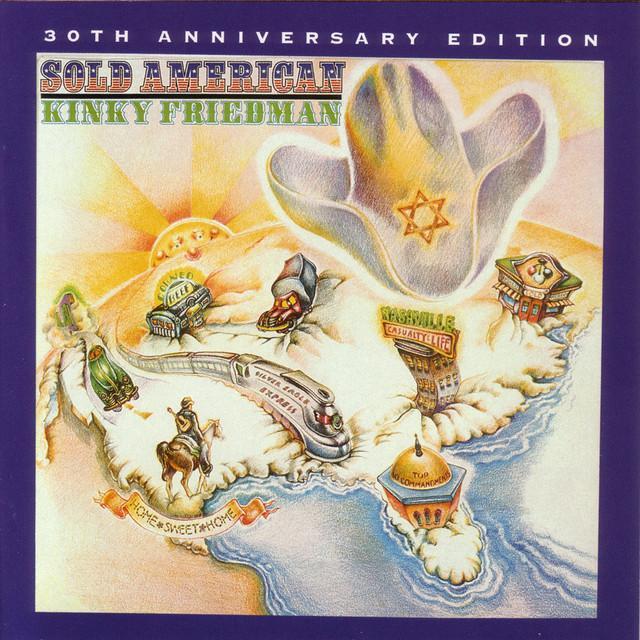
Friedman released Sold American in 1973, during the early period when they were building a reputation for bold, often funny material, as noted in Wikipedia's overview. That context matters. A listener expecting satire finds a song of mourning instead.
This contrast helps explain the song's reputation. Rolling Stone called it a Holocaust ballad and noted reports that Nelson Mandela listened to it while imprisoned on Robben Island. Friedman said of that story, we have now verified it
. Whether listeners focus on that anecdote or not, it shows the song's emotional reach beyond American country audiences.
Willie Nelson also recorded it, and Friedman long said Bob Dylan admired it. Those connections suggest that other major artists heard something deep in the song: not novelty, but moral weight.
Final Reading: Grief, Motion, and Survival
So what is the song really saying? In the clearest terms, it is about Jewish suffering during the Holocaust and the long afterlife of that suffering. It is also about movement without rest: being driven, marked, remembered, and still somehow continuing.
Interpretation: The riding image may finally suggest survival itself. The person in the song keeps moving not because the world is kind, but because memory demands it.
That is the heart of the meaning of Ride 'Em Jewboy Kinky Friedman. It turns Western language into a lament for Jewish history, and it finds dignity inside grief without softening the horror behind it.
Disclaimer: This interpretation is based on the song's lyrics, historical references, and reported context. As with any work of art, listeners may hear meanings that differ from this reading.








