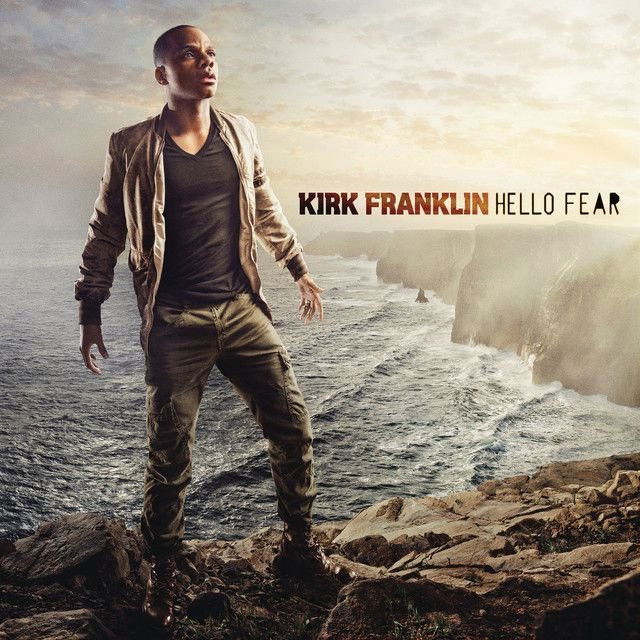
Hello Fear by Kirk Franklin: A Breakup With Anxiety
The meaning of Hello Fear Kirk Franklin starts with a simple but powerful idea: they turn fear into a person, sit it down, and tell it the relationship is over. That move gives the song its force. Instead of sounding trapped, it sounds like a direct confrontation.
"Hello Fear" - Kirk Franklin
Before you sit down there's something I need to explain
Since you're here
Loading lyrics...
Unable to load lyrics
We're unable to display the lyrics at this time. Please try again later.
Kirk Franklin released Hello Fear as the title track to his 2011 album, which Billboard reported was his 11th album, his first studio set in four years, and his debut for Verity Records. Franklin also told Billboard that the opening line came to him while walking past the piano, which matters because the song feels sudden and inspired rather than overworked. That spontaneity helps explain why it sounds so personal.
A Gospel Song Framed Like a Conversation
What makes this song memorable is its setup. Fear is treated like an unwelcome guest. The speaker says Hello fear
, but this is not a greeting of comfort. It is the start of a final talk.
That talk has two stages. First, they name the damage fear has done: it has stolen peace, hope, and emotional stability. Then they refuse to let it stay. The song is not only about feeling scared. It is about recognizing how fear has shaped a life and deciding it does not get control anymore.
Interpretation: In that sense, the song works like a testimony. It follows a familiar gospel pattern: bondage, awakening, release, and praise.
Watch the official Hello Fear
music video
What the Verses Reveal About Emotional Damage
Early in the song, the speaker sounds tired rather than dramatic. They are worn down by heartbreak and exhaustion. When they say they made a list and fear is on it, the point is clear: fear is one of the things being removed from their life.
A key phrase is brokenhearted
. Franklin links fear with emotional pain, not just nerves or stage fright. Fear here seems bigger than a single moment. It acts like a long-term condition that has taken away dreams and made healing harder.
Another important phrase is God's healing my hurtful places
. That line shifts the song from self-help to faith. The speaker is not defeating fear by willpower alone. Healing comes from God, and that changes the message. This is a Christian song about spiritual recovery as much as emotional recovery.
The Chorus Turns Resistance Into Freedom
The chorus is the song's strongest declaration because it rejects fear in the language of an unhealthy relationship. The speaker says fear will no longer be loved, trusted, or housed in the heart. That is a striking metaphor. Fear is not just an emotion now; it is a toxic partner.
No longer your prisoner
Today I remember
Apart from you
is where I belong
This short section captures the heart of the song. Freedom begins with memory. They remember who they were before fear took over, and that memory becomes the first step toward restoration.
Interpretation: The chorus suggests that fear causes identity loss. It makes people forget their worth, their calling, and their inner strength. So the victory is not only calmer feelings. It is the return of the self.
Why Grace Matters More Than Fear
Midway through, the song makes its most important turn. After saying goodbye to fear, the speaker says Hello grace
. That change keeps the song from being only a protest anthem. The empty space left by fear is filled with grace, mercy, and forgiveness.
This matters because the song does not teach denial. It does not say fear was never real. Instead, it says fear has been replaced. Grace becomes the new presence in the room.
In Christian terms, grace means undeserved love from God. So when the song says grace took fear's place, it imagines healing as an exchange: fear leaves, mercy enters. That idea gives the song its hope and makes it more than a motivational pep talk.
How the Sound Supports the Message
Musically, “Hello Fear” blends gospel, soul, and contemporary R&B in a way Franklin has long used in his career. The arrangement builds slowly, giving the opening conversation space to land. Then the vocals grow stronger and more layered, which mirrors the speaker's rising confidence.
The choir-like backing voices are especially important. They make the song feel communal, as if one person's testimony becomes many people's truth. That is central to gospel music: private pain turns into shared witness.
The repeated farewell section also works on a musical level. Its steady, almost chant-like repetition sounds like a ritual of release. By the time the song circles back to the opening phrase, the meaning has changed. Fear is still named, but now it has lost authority.
Artist Context Sharpens the Meaning
Franklin's wider career helps explain why this song connected so strongly. He has built much of his music around faith spoken in everyday language, often mixing church vocabulary with plain emotional honesty. On the album page at AllMusic, the project is noted for its gospel foundation and modern polish, and that combination fits this track perfectly.
Billboard noted that the album debuted at No. 5 on the Billboard 200, Franklin's first Top 10 debut there since 2002. That success suggests listeners heard something timely in the song. In a culture full of anxiety, “Hello Fear” gave them a script for naming what haunts them and refusing to keep it close.
Final Take on the Song's Core Meaning
At its core, the meaning of Hello Fear Kirk Franklin is about ending fear's control and replacing it with grace. The song imagines fear as an abuser, a jailer, and a false companion, then strips it of power through memory, faith, and direct speech.
Their message is both spiritual and practical: healing begins when people name what has ruled them, tell the truth about its damage, and accept that God's grace can occupy that space instead. That is why the song still resonates. It is not just about fear leaving. It is about a person becoming themselves again.
Disclaimer: This interpretation is based on the lyrics, recorded performance, and available artist comments. As with any song, listeners may hear personal meanings that differ.








