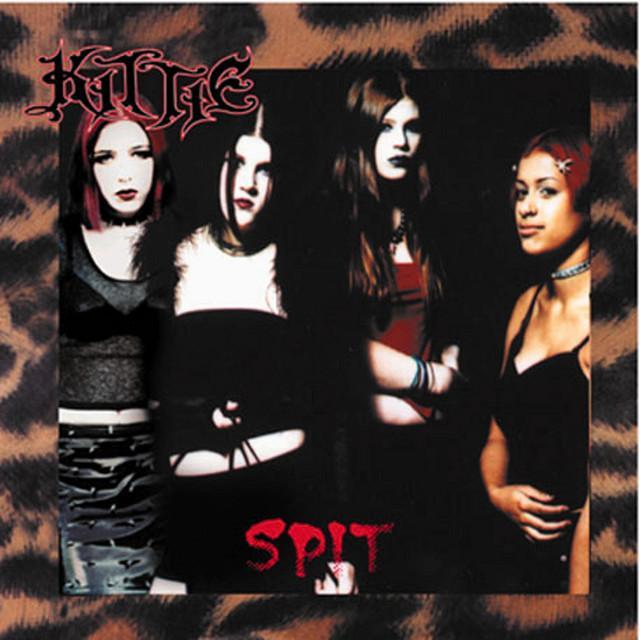
Brackish by Kittie
Why This Song Still Hits Hard
The meaning of Brackish Kittie starts with conflict. This is not a vague angry song or a random blast of late-1990s metal. It is a focused reaction to a harmful relationship that the band saw up close.
"Brackish" - Kittie
The best things in life drive her to cry
Crucify then learn
Loading lyrics...
Unable to load lyrics
We're unable to display the lyrics at this time. Please try again later.
Kittie released “Brackish” as the first single from Spit in 1999. According to Songfacts, Morgan Lander said the song was about a friend and the relationship she was in, one the band did not think was healthy. That comment matters because it gives the lyrics a clear point of view: they are not only about pain, but about watching someone stay tied to pain.
The title also helps. In nature, brackish water is a mix of fresh and salt water. That makes “brackish” a strong metaphor for a relationship that is neither safe nor fully broken, a mixture of attachment and damage.

Watch the official Brackish
music video
The Core Meaning Beneath the Rage
At its heart, the song is about abuse, emotional control, and the frustration of seeing someone accept mistreatment. The lyrics present a person who has been worn down, then told to endure more.
Early lines describe someone who is almost numb, or at least forced to look fearless. The phrase not scared to die
sounds extreme, but the larger idea is emotional exhaustion. This is someone pushed so far that ordinary hope no longer seems available.
Then Kittie turns from description to accusation. The repeated image sit and watch me burn
suggests cruelty, neglect, or both. Instead of support, the speaker sees passive harm. Someone is suffering in plain view, and the person closest to them does nothing.
Interpretation: The song may be read as a warning from friends who can see danger before the person inside the relationship can. That makes the song feel protective as much as furious.
How the Verses Build the Story
The verses move in stages, and each stage deepens the song’s meaning.
First: a damaged emotional state
The opening sets up a person whose inner life is collapsing. When the song says the best parts of life still lead to tears, it frames a world where joy has been poisoned.
Second: false comfort and bad guidance
The repeated idea that someone cannot truly guide or protect her shows the emptiness of the relationship. The song attacks the illusion that this person is a safe place to lean on.
Take so much away
He can't guide you
Shoulder to lean on
Be strong
These lines work like a bitter summary. They contrast what the relationship promises with what it actually delivers: loss, confusion, and pressure to endure quietly.
Third: outside truth breaks in
When the song mentions a face scarred by dismay, it points to visible damage. That damage may be physical, emotional, or both; the lyric leaves room for interpretation. What matters is that the harm can no longer be hidden.
What “Crucify Then Learn” Really Means
One of the most striking phrases is crucify then learn
. It sounds harsh because it is harsh. The wording suggests a pattern where pain comes first and understanding comes too late.
In plain terms, the song argues that some people only recognize a toxic situation after terrible damage has already been done. The phrase can also carry another edge: society often judges victims after the fact, as if suffering were some kind of lesson.
Interpretation: This line may express the band’s anger at a culture that tells people to stay strong while offering little real help. In that reading, “learning” is not growth. It is survival after betrayal.
Sound as Meaning: Why the Music Feels Like a Breakdown
“Brackish” became a breakout song partly because the sound matches the message. Kittie blends downtuned guitar riffs, stop-start dynamics, and a mix of clean and screamed vocals. That push and pull mirrors the emotional split inside the lyrics.
The calmer vocal moments sound exposed and human. Then the screams arrive like a breaking point. This contrast makes the song feel like internal pressure turning outward.
The drumming is especially important. It drives the track forward with a clipped, almost marching force, giving the song a trapped feeling rather than a loose groove. The guitars scrape and lunge instead of floating. Nothing in the arrangement offers comfort for long.
That is a big reason the meaning of Brackish Kittie lands so quickly even for listeners who do not catch every word. The production communicates alarm.
The Band Context Matters Too
Kittie were teenagers from London, Ontario when “Brackish” broke through, and that fact shaped how people heard the song. In a male-dominated heavy music scene, their aggression drew attention fast. Songfacts notes that the single helped earn the band a place on Ozzfest and tours with major metal acts.
That context matters because “Brackish” does not sound like detached commentary. It sounds immediate, personal, and young in the most powerful sense: unwilling to be polite about obvious harm.
Its reception also shows why the song lasts. Listeners connected not just to the heaviness, but to the clarity of its anger. The song gives voice to the feeling of seeing someone trapped and wanting to shake them awake.
A Final Reading of the Title
The title may be one of the smartest parts of the song. Brackish water is mixed, unstable, and hard to classify. That fits a relationship where love and damage blur together.
A toxic bond often does not look purely evil from the inside. It feels mixed. That is what makes it hard to leave. “Brackish” captures that emotional in-between state with one word.
What the Song Ultimately Says
In the end, “Brackish” is about the violence of emotional erosion. It shows a person being drained, misled, and told to hold on anyway. It also shows the fury of witnesses who can see the truth more clearly than the victim can.
That is why the song still feels urgent. It is not simply rage for its own sake. It is rage with a target.
Disclaimer: This article offers a good-faith interpretation based on the lyrics, band comments, and available sources. As with many songs, listeners may hear meanings that differ from the one discussed here.







