Why “Buga” Feels Bigger Than Bragging
The meaning of Buga (Lo Lo Lo) Kizz Daniel, Tekno is simple on the surface and smarter underneath: this is a song about earned confidence. It sounds like a party record, and it is one, but its message is not just “show off.” It is closer to this: work hard, collect the reward, and do not let bitter people steal the joy.
"Buga (Lo Lo Lo)" - Kizz Daniel, Tekno
Don't sleep no sleep
Wake up (Uba)
Loading lyrics...
Unable to load lyrics
We're unable to display the lyrics at this time. Please try again later.
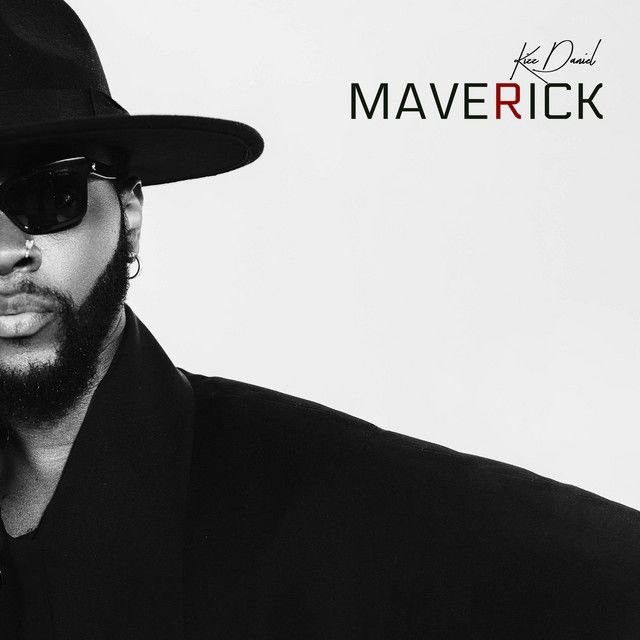
Released on May 4, 2022, “Buga” became one of the biggest Afrobeats songs of its era, later appearing on Kizz Daniel’s album Maverick. It was produced by Reward Beatz, Blaisebeatz, and Yung Willis, and it topped major Nigerian charts while spreading globally through dance videos and social media moments.[1][2]
A Victory Song Hidden Inside a Dance Hit
At the center of the song is a motivational idea. The opening lines push people to wake up and get paid, using phrases like Collect your money
. That is not framed as greed. It sounds more like discipline first, enjoyment second.
Then the song flips into celebration. When they say You don work you don try
, they are giving listeners permission to enjoy success without shame. In other words, the bragging in “Buga” is meant to feel deserved.
Interpretation: That is why the song connected so widely. It turns self-belief into a public ritual. Instead of hiding achievement to seem humble, the song argues that people should honor their own effort.
What “Buga” Really Means in This Context
“Buga” is Yoruba slang that can mean showing off, carrying oneself proudly, or flaunting success.[1] In this song, that idea is softened by context. The lyrics do not describe luxury for its own sake. They keep returning to labor, reward, and social pressure.
That balance matters. The song is not saying everybody should boast for no reason. It is saying that if people have struggled, built something, or survived hard seasons, then they should not act small just to please critics.
Pride With a Reason
A key line repeats the idea that after effort comes enjoyment. The song paraphrases a life lesson: once they have put in the work, they deserve to “j’aiye,” or enjoy life. That makes “Buga” feel less like empty swagger and more like a survival anthem.
You don work you don try
You suppose to dey fine
Those short lines capture the song’s emotional engine. They tell listeners that celebration is not a distraction from work. It is one of the reasons people work at all.
The Chorus Turns Confidence Into Movement
The hook is one reason the record became unavoidable. The repeated commands Go low low low
and Lemme see you dey buga
do more than make the song catchy. They turn meaning into motion.
That matters because dance changes the emotional tone. If the song only said “be proud,” it might sound stern or self-important. By attaching pride to movement, rhythm, and playful repetition, Kizz Daniel and Tekno make confidence feel communal.
Interpretation: The chorus suggests that joy is contagious. One person’s confidence invites other people to loosen up too. That may explain why the song fit so perfectly with a viral dance challenge that Kizz Daniel launched at release.[1]
Ignoring Envy Is Part of the Message
Another important layer is the song’s attitude toward outsiders. The lyrics brush off gossip and judgment, basically asking why another person’s success should bother anyone else. A phrase like Kilo kan mi
points to that feeling of refusing unnecessary negativity.
This is where the song gets sharper. “Buga” is not just about enjoying money or status. It is also about mental freedom. They refuse to hand control of their mood to jealous onlookers.
For many listeners, that emotional defiance is the real core of the song. The celebration matters because it pushes back against a culture of resentment.
How the Sound Carries the Meaning
The production is a huge part of why the message lands so easily. “Buga” runs at about 116 BPM in A-flat major, giving it a bright, steady pulse.[1] Critics noted its feel-good character and Amapiano touches, especially the use of log drum textures.[1]
The beat feels light on its feet. It does not overwhelm the vocals, which helps the hook sound direct and almost conversational. One critic described the song’s appeal as “elegant plainness,” a useful phrase because the track does not depend on lyrical complexity to make its point.[1]
Instead, the groove does the persuasive work. The rhythm says: relax, move, trust the good moment. Tekno’s presence also helps. His verse and vocal energy add bounce, making the collaboration feel less like a feature for prestige and more like two artists sharing the same grin.
Why the Song Became a Cultural Event
The meaning of Buga (Lo Lo Lo) Kizz Daniel, Tekno also grew because of how the public used it. It hit No. 1 on Apple Music Nigeria within days, led TurnTable’s chart for weeks, and became a global Shazam phenomenon.[1] It later earned major awards and even a U.S. Gold certification.[1]
Those facts matter because they show how universal the song’s idea is. People across cultures understood the emotional message even if they did not catch every Yoruba or Nigerian Pidgin phrase. Hard work, self-respect, and public joy translate easily.
Final Take on the Song’s Meaning
In the end, “Buga” is about more than bragging. It frames pride as something that should follow effort, resilience, and survival. Its dance hook keeps that message playful, while its lyrics quietly defend the right to enjoy success without apology.
That is why the song feels so lasting. It gives listeners a groove, but it also gives them permission.
Disclaimer: This interpretation combines factual context with informed reading of the lyrics and sound. As with any song, listeners may hear meanings that differ from this one.








