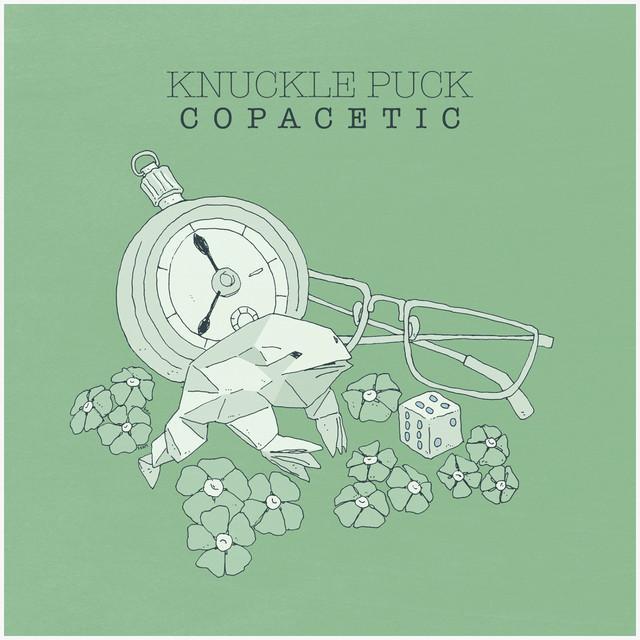
Why "Swing" by Knuckle Puck Hits So Hard
The meaning of Swing Knuckle Puck comes down to a painful clash: they want to keep fighting, but they no longer trust that effort will lead anywhere. The song turns that feeling into something sharp and recognizable. It captures the kind of burnout where a person is not giving up, yet still feels stuck.
"Swing" - Knuckle Puck
I try to sleep it off but I can feel it in my dreams
I'll give them what they wanna see
Loading lyrics...
Unable to load lyrics
We're unable to display the lyrics at this time. Please try again later.
Knuckle Puck built their reputation in the modern pop-punk and emo scene with songs that mix urgency and self-examination. In “Swing,” that balance is especially clear. The words feel personal and wounded, while the performance keeps moving like someone trying to outrun their own thoughts.
The Song’s Core: Motion Without Progress
At its heart, “Swing” is about trying over and over and not seeing a result. Early on, the narrator describes feeling damaged and emotionally frozen, then admits that even sleep does not bring relief. When they mention feeling stagnant and cracked
, the image suggests both exhaustion and instability.
That idea deepens with the line about being a kid lost in his twenties
. Rather than sounding dramatic for effect, it captures a very specific kind of fear. They seem trapped in the stage of life where people are expected to become defined, stable, and successful, yet they feel unfinished and off-course.
Interpretation: The song is not just about sadness. It is about shame tied to sadness—especially the shame of feeling behind while others expect growth.

Watch the official Swing
music video
Pressure, Isolation, and the Chorus Hook
The repeated mention of constant pressure
gives the song its emotional frame. This pressure sounds internal and external at once. Part of it comes from their own expectations, but part also comes from the voices around them saying things will improve, whether they believe it or not.
That is why the chorus lands so hard. The phrase I swing but I miss
reduces the whole struggle to one image. They are not refusing to act. They are acting, trying, and still failing to connect.
The line before it matters too: they say there is not much to show
for the time spent alone. Solitude here does not feel healing or productive. It feels like a stretch of life that was supposed to lead somewhere but instead became proof of stalled progress.
Why the refrain keeps returning
Each return to the chorus makes the emotional problem feel bigger. The first time, it sounds like frustration. By the last time, it feels like a personal verdict they are afraid might be true.
Interpretation: The chorus may reflect creative burnout, emotional recovery, or early adult disappointment more broadly. The song leaves enough room for all three readings.
A Mind That Cannot Shut Off
One of the strongest parts of the lyric is how it shows mental strain in physical terms. They feel the blood rush under the skin. They dwell. They shut the shades and go back to bed. These are simple actions, but together they paint a cycle of overstimulation and retreat.
The darkness in the song is not only visual. It feels cognitive. The narrator cannot stop replaying things, and that makes rest impossible. Even when they pull away from the world, their thoughts follow them.
Close the shades
clear my head
slump back to bed again
This is the article’s only longer lyric quote, and even here the point is less about poetry than pattern. They try to create peace, but the routine ends in collapse rather than clarity.
The Sound Carries the Same Weight
Knuckle Puck are known for blending melodic hooks with aggressive pop-punk drive, a style noted in coverage of the band and their releases by sources like AllMusic and Equal Vision Records. In “Swing,” that approach supports the meaning almost perfectly.
The guitars push forward, the drums keep tight momentum, and the vocals sound strained without losing melody. That matters because the song is about effort itself. The arrangement does not drift; it lunges. Even when the lyrics describe hopelessness, the band sounds like they are still pushing against it.
Interpretation: That contrast is the key to why the song feels cathartic instead of passive. The words say they are missing, but the music says they are still in the fight.
Artist Context Makes the Message Stronger
Knuckle Puck emerged from the Chicago-area pop-punk wave and became known for emotionally candid writing, as reflected in band profiles and release notes from labels and music outlets such as Pure Noise Records and Alternative Press. That context helps explain why “Swing” resonates.
They often write songs where personal distress is delivered with communal energy. Even when the narrator sounds alone, the band performance turns that loneliness into something listeners can shout back. That is a big part of the meaning of Swing Knuckle Puck: isolation is described privately, but expressed collectively.
The credited writers provided here—John Siorek, Joseph Taylor, Kevin Maida, and Nicholas Casasanto—fit that band-centered approach. The song feels like a group translating one person’s mental spiral into a shared release.
Final Take: Why “Swing” Endures
What makes “Swing” memorable is its honesty about effort without reward. Many songs talk about pain; fewer capture the duller, harder feeling of trying again and again while wondering whether any of it matters.
In that sense, the meaning of Swing Knuckle Puck is not that they have lost all hope. It is that hope has become difficult work. There is still fight left, but the song asks what happens when fighting itself becomes exhausting.
That tension is why the track connects so deeply with listeners in their twenties and beyond. It speaks to pressure, identity, and the fear of wasted time without pretending those feelings are easy to solve.
Disclaimer: This interpretation is based on the lyrics, performance, and publicly available artist context. As with most songs, meaning can vary from listener to listener.







