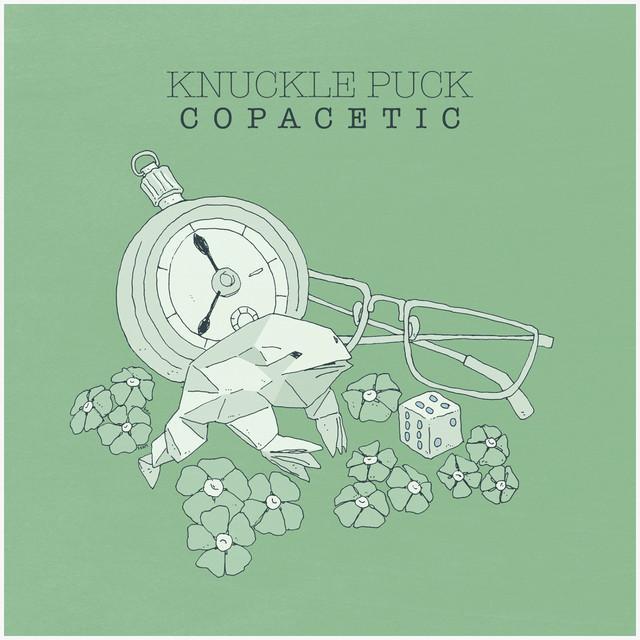
True Contrite by Knuckle Puck
Why This Song Still Cuts Deep
The meaning of True Contrite Knuckle Puck comes down to one hard idea: real remorse cannot be staged. In this song, they aim their words at someone who has caused lasting harm, then tried to cover it with denial, excuses, and a polished version of memory.
"True Contrite" - Knuckle Puck
Forgiving pathetic excuses for long term abuse is something I could never justify with God
You live in a lonely state of denial and self-decay
Loading lyrics...
Unable to load lyrics
We're unable to display the lyrics at this time. Please try again later.
Rather than asking for closure, the lyrics sound like a reckoning. They describe a person who refuses to face what they have done, while the speaker refuses to excuse it any longer. That gives the song its bite: it is not just sad, and it is not just angry. It is morally disappointed.
Knuckle Puck released “True Contrite” during the rollout for their debut album Copacetic in 2015, a key moment in the rise of the Chicago-area band, whose sound is widely described as blending pop-punk and emo. Available band history places the song in a period when they were turning personal conflict into sharp, melodic songwriting.

Watch the official True Contrite
music video
The Core Meaning: False Regret Versus Real Accountability
At its center, the song draws a line between apology and change. The title itself matters. “Contrite” means feeling sincere guilt, but the phrase “true contrite” suggests the person in the song does not have that yet. They may perform regret, but they have not fully confronted themselves.
The opening image of dried leaves and fallen trees connects honesty with what remains after damage is done. The natural decay in that image suggests that truth becomes visible over time. Once something has died, it cannot be prettied up.
That same idea continues when the speaker rejects pathetic excuses
for long-term harm. They are not describing one mistake. They are describing a pattern. The song’s emotional force comes from that distinction: repeated damage is harder to forgive when the guilty person keeps hiding from it.
Who They Seem to Be Addressing
Interpretation: The song appears to address a specific person from the speaker’s past, possibly a parent, partner, or other close figure. The lyrics never pin that down, which is part of why the song feels so relatable.
What is clear is the power imbalance. The accused person is described as living in denial and self-decay
, while the speaker sees through the act. That makes the song sound less like a breakup rant and more like a direct confrontation with someone whose damage has shaped a whole relationship.
A key detail is the background line Am I good enough?
Those words hint that the hurt did not stay with the guilty person alone. It passed onto the speaker, creating self-doubt. So the song is not only about judging another person. It is also about recognizing the emotional scars they left behind.
How the Chorus Sharpens the Message
The chorus is where the song’s imagery turns into a thesis. When they sing about pictures on the walls
, they suggest someone is editing memory, choosing clean snapshots instead of the full truth. In plain terms, the guilty person is trying to curate the past.
Then comes one of the song’s strongest contrasts: dream in color
but see only in black and white. That suggests a life with emotional potential that has been narrowed by dishonesty. There could have been warmth, complexity, and healing, but lies flatten everything.
The final warning, Someday your true contrite
, gives the chorus its sting. The speaker believes genuine remorse is unavoidable, even if it arrives late. That idea is both harsh and hopeful. Harsh, because guilt will catch up. Hopeful, because truth still matters.
Images of Decay, Memory, and Buried Weight
One reason the meaning of True Contrite Knuckle Puck lands so clearly is the song’s compact imagery. Several motifs repeat or echo each other:
- Nature and decay: fallen trees and dried leaves suggest damage that cannot be hidden.
- Burial and weight: guilt is treated like something heavy that was never processed.
- Pictures and surfaces: memory becomes staged, selective, and misleading.
- Color versus black-and-white: emotional life has been drained of honesty.
Interpretation: The line about buried weight may also connect to an older Knuckle Puck title, The Weight That You Buried. Even if listeners treat that as coincidence, the phrase fits a recurring band interest in emotional baggage, personal growth, and the lasting pressure of unresolved pain, themes often associated with their work and with Copacetic in particular. Band overviews and release histories regularly note those themes.
How the Sound Carries the Accusation
Knuckle Puck’s style matters here. Their music often balances speed and melody, which lets them sound wounded and forceful at the same time. On a song like this, that mix helps the meaning land.
The guitars push forward with tension rather than comfort. The drums keep the track urgent, as if the speaker can no longer hold the words back. Vocally, the delivery feels strained in a useful way: not out of control, but close to it. That edge sells the song’s sense of accumulated resentment.
This fits the broader critical view of the band’s early work. Coverage of Copacetic has described it as ranging from explosive pop-punk to more reflective emo tones, and that combination is a strong match for “True Contrite.” Available summaries of the album era place the band squarely in that emotional lane.
A Reasonable Final Reading
The best reading is that this song is about watching someone avoid moral responsibility until their own conscience finally corners them. It is a song of judgment, but not empty cruelty. The speaker sounds hurt because they once wanted honesty and never got it.
That is why the song lingers. It understands that the worst kind of apology is the one that protects the person apologizing. In “True Contrite,” they insist that real remorse is deeper, later, and much harder to fake.
Disclaimer: This interpretation is based on the lyrics, confirmed release context, and common critical understanding of Knuckle Puck’s style. As with any song, listeners may hear meanings that differ from this reading.








