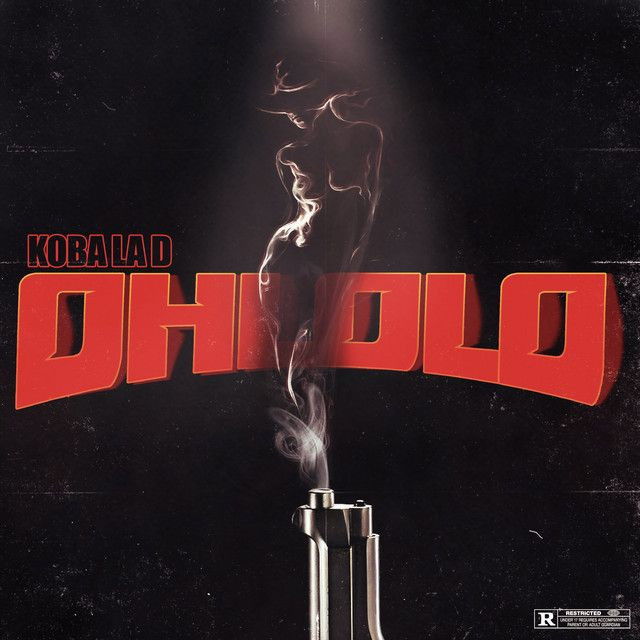
Ohlolo by Koba LaD: Survival Without Illusions
The meaning of Ohlolo Koba LaD starts with pressure. This is not a victory anthem, even when it sounds forceful. It is a song about people living so close to danger that fear, violence, and hustling begin to feel ordinary.
"Ohlolo" - Koba LaD
Y a v'là les entrées mon frère (ohlolo)
Moi, ma meuf c'est un métal froid (ohlolo)
Loading lyrics...
Unable to load lyrics
We're unable to display the lyrics at this time. Please try again later.
Koba LaD, born Marcel Junior Loutarila, built his name in French rap through trap and drill-inflected music and came from Évry after being born in Saint-Denis, according to widely cited biographical summaries such as Wikipedia’s overview of the artist. That background matters because “Ohlolo” sounds rooted in the same world his music often returns to: hard streets, fast money, suspicion, and emotional armor.
A Hook That Sounds Like Shock and Habit
The title phrase acts like an exhale. When they repeat ohlolo
, it feels less like celebration than stunned recognition. The hook keeps circling the same facts: money is coming in, hate shaped them, and comfort has been replaced by a weapon.
One of the song’s key images is un métal froid
. Paraphrased, they say their closest companion is cold metal. Interpretation: this likely means a gun has taken the place of intimacy, safety, or love. It is a brutal way of showing how survival changes a person’s attachments.
Another short line, la haine qui m'a fait
, sharpens that idea. They are not saying anger just visits them. They are saying hostility helped build them. That turns the chorus into a mission statement about emotional damage.

Watch the official Ohlolo
music video
What the Verses Actually Show
The verses are packed with small details that make the world feel real. They mention betrayal, financial struggle, drugs, family disappointment, and the threat of direct confrontation. There is no dreamy distance in this writing. Everything happens close to home, close to the body, and close to risk.
A useful way to read the song is in three layers:
- Street reality: enemies, informants, weapons, and territorial pressure.
- Economic trap: hustling appears as one of the only available paths.
- Inner corrosion: the speaker sounds hardened, but also cornered.
When the lyrics say la drogue c'est le seul filon
, they frame dealing not as glamour but as a locked system. The song keeps insisting that this is the “only lane.” Interpretation: that repetition suggests social determinism—the sense that environment limits choice until bad options look like destiny.
Violence Without Romance
A striking thing about “Ohlolo” is how little warmth it offers. Even lines about money do not feel triumphant. The song’s emotional climate is cold, stripped, and suspicious.
That is why another phrase, tout en noir
, matters. It works literally as clothing and visually as mood. Darkness is not just around them; it becomes a uniform. Later, when they describe having nothing in their pockets and sleeping outside for profit, the song reveals the cost of this life instead of selling its image.
la drogue c'est le seul filon
c'est mon destin
Those two short lines condense the song’s bleakest idea: what should be a choice starts to feel fated. That is the heart of the meaning of Ohlolo Koba LaD.
How the Sound Carries the Message
Koba LaD is commonly associated with hip hop, trap, and drill in mainstream artist profiles, and “Ohlolo” fits that lane. The production style implied by the performance is tense and minimal: heavy low end, clipped percussion, and a chant-like chorus designed to hit hard rather than float.
That matters because the beat does not soften the writing. It traps the voice inside a repetitive, pressurized space. The hook pounds the same ideas again and again, much like the cycle the lyrics describe.
Their delivery is also important. They rap with a flat, forceful tone that avoids vulnerability on the surface. But that lack of softness becomes its own kind of confession. Interpretation: the numbness is the emotion. They sound like someone who cannot afford open panic, so the fear comes out as hardness.
Artist Context Makes the Song Hit Harder
Koba LaD’s stage name has been explained in artist bios as partly tied to struggle, dealing, and intoxication. Whether or not listeners know that before hearing “Ohlolo,” the song reflects exactly those concerns. It turns street slang and threat imagery into a portrait of trapped masculinity: always armed, always alert, never at ease.
It also fits his broader catalog, where movement between hunger and success often feels unstable. According to chart summaries collected in public discography sources, “Ohlolo” performed as a charting non-album single in France and Belgium. That suggests listeners recognized something direct and memorable in it, even though the message is deeply grim.
The Best Way to Read the Chorus
The chorus works because it is both personal and systemic. On one level, they are describing their own formation through hate and danger. On another, they are speaking for a whole environment where dancing stops, bodies tense up, and everyone expects conflict.
The opening image about no one moving easily sets the social scene. Nobody is relaxed. Nobody is carefree. Interpretation: the room itself feels militarized, as if even stillness has become defensive.
Final Take on the Song’s Meaning
The meaning of Ohlolo Koba LaD is not just crime, money, or menace. It is the feeling of being shaped by a place where violence becomes intimacy, drugs become work, and exhaustion becomes identity. The song’s genius is that it makes this world sound catchy while never making it sound safe.
That tension is why the track stays with listeners. Beneath the repeated hook is a portrait of survival with almost no illusions left.
Disclaimer: This article offers an interpretation based on the lyrics, performance, and publicly available artist context. Song meaning can remain open, and different listeners may hear it differently.







