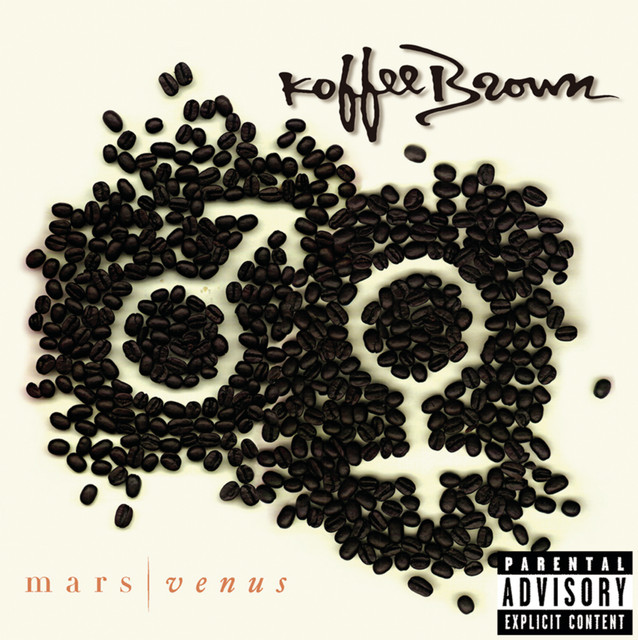
Why Koffee Brown’s 'After Party' Is So Direct
The meaning of After Party Koffee Brown is not hard to miss: it is a song about desire that begins on the dance floor and moves toward private intimacy. Released in 2001 and tied to Koffee Brown’s album Mars/Venus, the track fits neatly into the slick, club-friendly R&B of its era, as noted in the song’s listing on Wikipedia. What makes it interesting is how little it hides. Instead of using complicated storytelling, it builds its meaning through repetition, flirtation, and a steady push from public chemistry to a one-on-one encounter.
"After Party" - Koffee Brown
Keep it on, keep keep it on
You don't stop, keep keep it on
Loading lyrics...
Unable to load lyrics
We're unable to display the lyrics at this time. Please try again later.
A Club Song With a Clear Destination
At its core, the song describes two people who have already connected physically while dancing. The speakers are not wondering whether attraction exists. They already believe it does. That is why the hook around after the party
matters so much. It is not just about the location after a night out. It is shorthand for what comes next when the crowd fades and desire becomes private.
Interpretation: The song treats the after-party as a social excuse and a romantic threshold at the same time. In plain terms, it is about turning flirtation into action.
That directness is the point. The lyrics keep returning to movement, touch, and momentum, making the song feel like one long invitation rather than a deep emotional confession.

Watch the official After Party
music video
How the Verses Build Sexual Tension
The first verse starts with conversation, but only briefly. The line built around talk about it
suggests intimacy at first, yet the song quickly shifts back to the body and the dance. That move is important. It shows that the real language here is physical, not emotional.
Soon after, the speakers describe shared attraction as chemistry, even comparing it to sweetness with icing on the cake
. That image is simple, but effective. It says the night is already good, and physical connection would make it better.
The second verse raises the stakes. When the song says finish what we started
, it frames the evening as unfinished business. Dancing was only the opening scene. The real goal, in the song’s logic, is to leave the public space and continue the connection somewhere else.
Who Is Speaking, and What Do They Want?
The track uses a confident, forward voice. The speakers are not shy, and they are not confused. They believe the attraction is mutual, and they ask the other person to act on it. Phrases like doncha want the after party
push that idea hard.
This matters because the song’s meaning depends on certainty. The singers are reading signals from the dance floor and treating those signals as clear consent to keep going. That makes the whole song feel like a negotiation wrapped in a groove: less about love, more about whether both people are ready to leave together.
Interpretation: Some listeners may hear this as empowering confidence. Others may hear it as the kind of bold seduction common in mainstream R&B at the time. Both readings fit the text.
Why the Chorus Is the Whole Message
The chorus is catchy because it is repetitive, but repetition also sharpens the song’s theme. Every return to after the party
narrows the focus. The club, music, and crowd become background elements. What remains is the question of what happens once the performance of nightlife ends.
That is why the hook works so well. It turns a familiar social phrase into a coded promise of intimacy. The song never needs a complicated plot because the chorus keeps translating everything into one simple aim.
Sound, Mood, and Early-2000s R&B Context
Musically, the song supports that message with polished, sensual production. It sits in the R&B/soul lane identified in the provided credits and in public reference listings, but it also carries the bounce of club music. The beat is steady, danceable, and smooth rather than aggressive.
That balance matters. If the song were slower and softer, it might feel purely romantic. If it were harder and more percussive, it might feel more like a party anthem. Instead, it stays in the middle, which helps the lyrics bridge both worlds: dancing in public and desire in private.
Koffee Brown emerged during a period when mainstream R&B often mixed silky harmonies with open, adult subject matter. In that context, “After Party” sounds less shocking than strategic. It gives listeners a flirt-heavy scenario they recognize and packages it in a hook built for replay.
The Song’s Main Themes, Decoded
A few core ideas shape the meaning of After Party Koffee Brown:
- Mutual attraction: The speakers believe both people feel the same pull.
- Nightlife as setup: The party is the beginning, not the destination.
- Chemistry over commitment: The song focuses on physical connection, not long-term romance.
- Momentum: Nearly every section pushes forward, as if stopping would break the mood.
The imagery stays basic on purpose. Bodies, dancing, movement, and leaving together all point toward the same result.
Final Take on What "After Party" Means
“After Party” is a very direct song about what happens when club chemistry turns into a private invitation. Its lyrics are simple, but they are effective because the whole track is built around one idea: the real story starts when the public party ends.
That clarity is why the song still makes sense years later. It captures a familiar nightlife moment and delivers it in smooth, confident R&B language.
Disclaimer: This interpretation is based on the lyrics, performance, and available song context. As with any song, listeners may hear slightly different meanings in the same lines.







