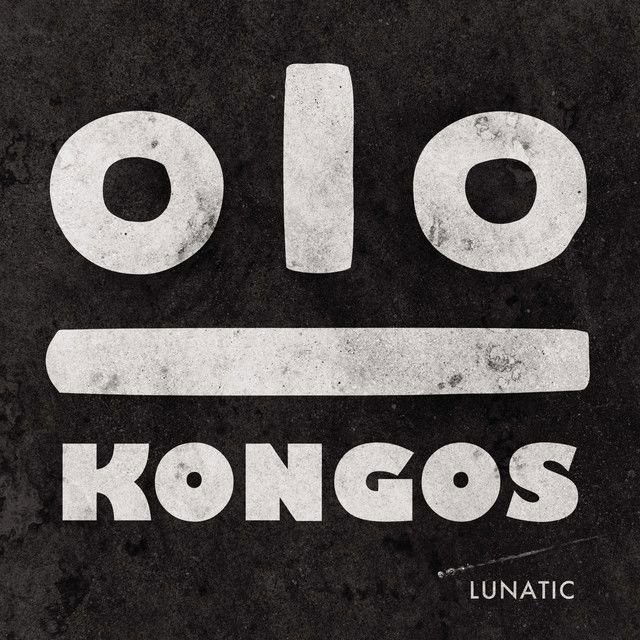
Why 'I Want to Know' by Kongos Still Presses
Kongos built their name on tense, rhythm-driven alternative rock, and the meaning of I Want to Know Kongos fits that style well. Written by Jesse Dean Kongos, the song turns a simple question into a moral and emotional challenge. It is not just asking for information. It is asking whether people will act, whether they will hide behind ideas, and whether anyone can admit how uncertain life really is.
"I Want to Know" - Kongos
I want to know, I want to know, I want to know, I want to know
What's it gonna take
Loading lyrics...
Unable to load lyrics
We're unable to display the lyrics at this time. Please try again later.
Based on the lyrics provided, the song’s core message is clear: people often repeat harmful patterns because they prefer argument, theory, and self-protection over courage and honesty. The repeated hook gives the song its pulse, but the verses widen the target. They question social passivity, intellectual pride, and the human habit of pretending to be sure.
The Real Tension Behind the Hook
At first glance, the chorus sounds direct and almost simple. When they repeat I want to know
, the line feels less like curiosity and more like pressure. The speaker is demanding clarity from both self and others.
That urgency matters because the song keeps pairing questions with responsibility. The line what's it gonna take
pushes past small talk. It asks what kind of shock, crisis, or moral wake-up call is needed before people stop making, as the lyric says, the same mistake
.
Interpretation: the song treats knowledge as something tied to action. In other words, “knowing” is not just having a theory. It is choosing a side, speaking up, and accepting uncertainty without becoming passive.

Watch the official I Want to Know
music video
A Song About Action, Not Just Opinion
One of the strongest ideas in the lyric is the contrast between talk and action. The speaker calls out people who discuss huge issues but may not do much about them. Phrases about catastrophe and science create the image of someone sounding informed, maybe even impressive, while still avoiding the harder personal question: what will they actually do?
That is why the appeal to stand up “for your brother’s sake” matters so much. The song moves from abstract debate into human duty. It suggests that real conviction is measured by solidarity, not by sounding clever.
Will you take a standWill you raise a handFor your brother's sake
This is the article’s only multi-line lyric quote, and it captures the song’s center. The speaker is not admiring detached intelligence. They are testing whether compassion can become action.
Doubt, Fear, and the Limits of Reason
Another key part of the meaning of I Want to Know Kongos is its skepticism toward false certainty. The lyrics challenge the idea that reason alone can protect people from fear. When the song points to taking refuge in logic, it does not reject facts. Instead, it questions the emotional use of facts as armor.
That distinction is important. The song says even cold hard facts
can change under new light. This is not anti-science. It is a reminder that human understanding evolves, and people should stay humble when claiming absolute truth.
Interpretation: the speaker sees fear underneath many firm opinions. Some people cling to systems, explanations, or ideologies because uncertainty is frightening. The deeper struggle is existential: they want answers about purpose, suffering, and why they are here.
The Meaning of the Song’s Social Language
The later verse sharpens the critique by describing life under pretense, defense, and indecision. Those ideas create a pattern. People protect their image, guard themselves emotionally, and remain stuck on the fence
.
This turns the song outward, beyond one relationship or one argument. It starts to sound like a diagnosis of modern social behavior. Many people perform conviction, but hesitate when a real choice appears. The song’s repeated questions expose that gap.
For U.S. listeners especially, the lyric can feel current because it speaks to a culture full of hot takes, constant debate, and moral fatigue. The track does not name a single issue, which helps it stay broad. It can apply to politics, faith, identity, friendship, or any moment when someone must choose between comfort and conviction.
How the Sound Likely Carries the Message
Kongos are known for alternative rock that often blends drive, tension, and strong rhythmic repetition, as heard across their catalog on their official site and major discographies like AllMusic. Even without reproducing production credits not confirmed here, the lyric structure suggests a song built for insistence.
The repeated chorus likely works like a hammering thought. Each return of the title phrase would reinforce obsession, frustration, and the need for an answer. The verse language is dense with challenge, so a tight groove or steady build would support that feeling of pressure.
Interpretation: if the arrangement leans muscular and persistent, that would match the theme perfectly. The music would not simply decorate the words. It would enact the restless need to break through denial and indecision.
Two Strong Ways to Read It
A moral call to courage
In one reading, the song is mainly about ethical action. The speaker sees a world trapped in repeated error and asks when people will finally defend each other instead of hiding behind explanation.
An existential argument with certainty
In another reading, the song is about human limitation itself. People want answers about meaning, but every system they build can shift with time. That makes the repeated demand to know feel tragic as well as urgent.
Both readings work because the lyric moves between public duty and private fear. That blend gives the song depth.
Why the Song Still Lands
What makes this track stick is its refusal to settle for easy confidence. It pushes against performance, excuses, and the comfort of sounding right. Instead, it asks whether anyone is brave enough to face doubt and still choose responsibility.
That is the lasting meaning of I Want to Know Kongos: knowledge without courage is empty, and certainty without humility is unstable. The song keeps pressing until the listener has to answer too.
Disclaimer: This interpretation is based on the lyrics provided and publicly known artist context. As with any song, meaning can vary from listener to listener unless the band states a definitive intention.







