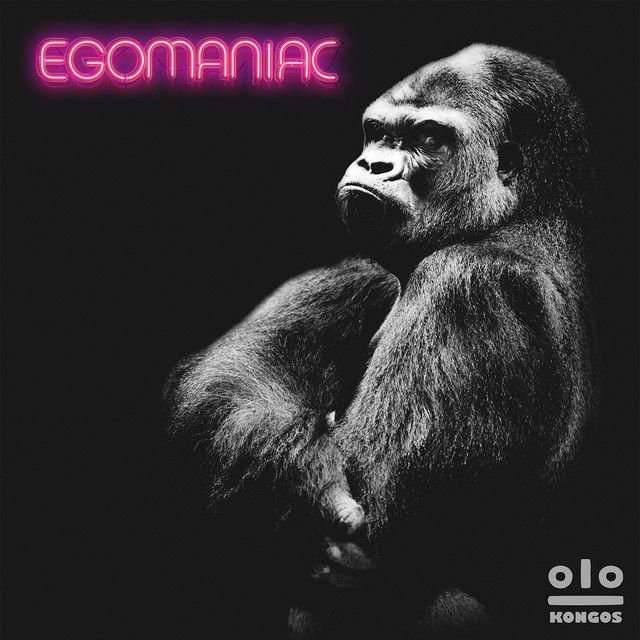
Repeat After Me by Kongos
The meaning of Repeat After Me Kongos centers on a mind caught between belief, ritual, freedom, and doubt. The song piles up religious symbols, sacred numbers, and repeated commands until they start to feel less comforting than overwhelming. Instead of offering one clean answer, Kongos build a portrait of spiritual and mental pressure.
"Repeat After Me" - Kongos
And I'd get high, I'd turn water to wine
If I could be, I'd breathe free at last
Loading lyrics...
Unable to load lyrics
We're unable to display the lyrics at this time. Please try again later.
John Joseph Kongos is credited as the writer, and the lyric itself suggests a speaker wrestling with inherited systems rather than simply rejecting faith. They are drawn to release, but they also seem trapped by ideas they once defended. That tension gives the song its force.
A chorus about freedom that never quite arrives
At the heart of the song is a simple wish: if the speaker could truly breathe, they could be free. The phrase If I could breathe
links physical relief with emotional and spiritual release. Breathing here sounds less like biology and more like permission to exist without pressure.
The next images push that wish into fantasy. When the song mentions turn water to wine
and getting high, it blends miracle language with escape language. Interpretation: that mix suggests the speaker wants transcendence by any means available, whether sacred, chemical, or emotional.
What matters most is that freedom stays conditional. They do not say they are free; they say they would be, if only they could reach that state. The chorus keeps circling the same desire, which makes it feel desperate rather than triumphant.
Watch the official Repeat After Me
music video
The verses turn belief into a crowded symbol maze
Much of the song reads like a fast-moving list of rituals, numbers, and religious references. There are priests, prophets, Adam and Eve, bread, veils, grails, fasting, bells, stars, and hell. Instead of pausing to explain any one symbol, the lyric stacks them on top of each other.
That writing choice matters. By rushing through so many references, the song can make tradition feel cluttered and heavy. It is not describing one belief system in a neat way; it is showing how spiritual language, superstition, moral rules, and cultural habits can blur together.
Numbers, rules, and repetition
The song keeps returning to counted things: factors, primes, one hundred and eight, forty days, division by three, and more. Numbers usually imply order. Here, they feel obsessive.
Then the track lands on repetition is key
. That line is crucial because it sounds like instruction, doctrine, and brainwashing all at once. Interpretation: Kongos may be showing how repeated phrases can shape belief, especially when people stop questioning what they are being told to repeat.
The emotional center is surrender
The clearest emotional statement comes in the refrain about surrender. The speaker says it is hard to sign away what they have defended and hard to separate what has become blended. That is the song’s human core.
For all the abstract imagery, this is really a song about attachment. People do not just walk away from a worldview because it becomes confusing. They stay because identity, family, fear, memory, and hope get mixed together.
So hard to sign my own surrender
So hard to leave what I've defended
This brief passage captures the song’s conflict without resolving it. The speaker is not only trapped by outside pressure. They are also trapped by their own past loyalty.
Sound and structure make the message stronger
Kongos are known as a South African rock band made up of the Kongos brothers, and their catalog often mixes rock drive with unusual textures and rhythmic focus. On this song, the structure mirrors the lyric’s mental loop. The repeated hook does not just carry the melody; it enacts the idea of being caught in a cycle.
The production feel, as heard on the track, supports that reading. The groove is steady, almost hypnotic, while the vocal delivery remains urgent. That contrast matters: the beat sounds controlled, but the words sound strained. Together, they create the feeling of a mind trying to keep order while nearing overload.
A small contextual note also helps. The phrase “repeat after me” commonly refers to call-and-response or echo singing, where one voice leads and others copy it, as described by this Wikipedia entry. In this song, Kongos twist that familiar idea into something darker: repetition becomes submission instead of community.
Two strong ways to read the song
There is more than one valid reading of the meaning of Repeat After Me Kongos.
Reading one: a critique of organized belief
The religious images can sound like the speaker is overwhelmed by doctrine, ritual, and fear-based rules. References to priests, fasting, punishment, and sacred symbols suggest a world where obedience is demanded. In this reading, the song questions systems that ask people to repeat instead of think.
Reading two: a portrait of inner addiction or compulsion
The same language can also point inward. The wish to get high, the inability to breathe freely, and the loop of surrender may describe addiction, anxiety, or compulsive thinking. In this reading, the spiritual symbols are not only about religion. They are the vocabulary the speaker uses to describe being mentally trapped.
Both readings fit because the song thrives on overlap. It blends ritual, desire, guilt, and repetition until outside control and inner conflict begin to look the same.
Why the song still sticks
What makes this track memorable is not a neat message but a convincing feeling. It captures what it is like when inherited ideas, private cravings, and repeated habits become hard to separate. The song’s title is almost a warning: once people start repeating a line often enough, it can start to feel like truth.
In the end, Kongos leave the speaker suspended between awakening and surrender. That unresolved state is the point. The song does not preach; it dramatizes the struggle.
Disclaimer: This interpretation is based on the lyrics, available song context, and the recording itself. As with most art, listeners may reasonably hear different meanings in it.







