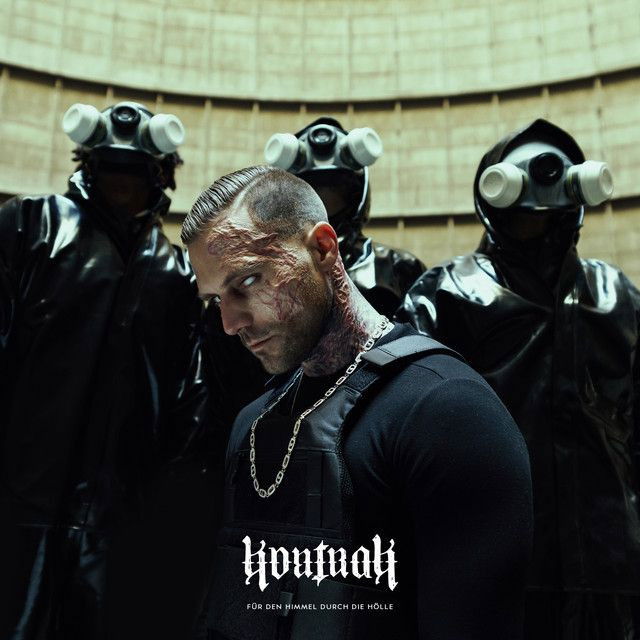
Why Kontra K Turns Pain Into a Promise
The meaning of Für den Himmel durch die Hölle Kontra K comes down to one hard question: who stays loyal when things get ugly? The song does not describe easy love or simple friendship. Instead, it tests devotion against betrayal, lies, fear, and sacrifice.
"Für den Himmel durch die Hölle" - Kontra K
Ich wünsch' dir Glück, Liebe und das Geld, wenn es sein muss
Du wünscht mir Glück, aber sagst: „Hals- und Beinbruch“
Loading lyrics...
Unable to load lyrics
We're unable to display the lyrics at this time. Please try again later.
Kontra K frames that test in extreme images. The title itself means going through hell for heaven, and the lyrics keep pushing that idea: if truth costs pain, is it still worth it? If loyalty hurts, do people still choose it?
Where the Song Sits in Kontra K's World
Factually, “Für den Himmel durch die Hölle” is a song from Kontra K’s 2022 album of the same name, which was released on August 25, 2022. The album reached No. 1 in Germany and later earned Gold certification there, showing how strongly its themes connected with listeners. It also mixed hip-hop with rap-rock textures across the project.
That context matters. Kontra K often writes in a motivational, battle-ready style, and this song fits that image. The album was split into two halves, “Für den Himmel” and “Durch die Hölle,” and this track feels like the bridge between those ideas: hope on one side, pain on the other.
Watch the official Für den Himmel durch die Hölle
music video
The Central Conflict: Loyalty Under Fire
The song opens with a tense emotional trade. They present good wishes on the surface, but underneath there is violence, bad luck, and distrust. That contrast sets up the whole track. People may say the right things, yet still act with hidden cruelty.
One of the sharpest moments is the line about being hurt openly rather than secretly. The idea is simple: honest pain is better than betrayal. When the lyric uses in den Rücken
, it turns backstabbing into the clearest symbol in the song.
Interpretation: this is not just about enemies. It may be about friends, partners, or anyone who claims closeness but disappears when things become costly.
Questions Instead of Answers
A powerful part of the song is how often it asks questions. The repeated challenge, Würdest du mitkommen?
, is more than a romantic plea. It asks whether another person would walk into risk, doubt, or social judgment alongside the speaker.
That question connects to another key image: Meer aus Lügen
. They imagine drowning in dishonesty while searching for one drop of truth. In plain terms, the song says truth is rare, and choosing it can feel isolating.
This makes the track emotionally direct. It is not about winning an argument. It is about wanting proof that loyalty is real.
What the Chorus Really Means
The chorus is the song’s moral center. When Kontra K repeats Für den Himmel
and then answers with durch die Hölle
, he reduces the whole song to a vow. The reward is not comfort. The reward is something pure enough to justify suffering.
Interpretation: “heaven” can mean several things here:
- a truthful relationship
- peace after chaos
- inner moral clarity
- protection of someone deeply loved
That last possibility is strengthened by the line about every step through flames being for another person. The speaker is saying their pain has a purpose. Sacrifice is not random; it is chosen.
Images of Fire, Stones, and Wounds
The song uses rough physical images to express emotional truth. Fire stands for purification and hardship. Stones suggest judgment. Wounds to the chest and back distinguish honest conflict from cowardly betrayal.
These images work because they are easy to picture. Even without knowing German, a listener can feel the track’s emotional logic: being burned for truth is still better than living comfortably with betrayal.
There is also a small but telling image about the last butterfly. Paraphrased, the lyric suggests the speaker damaged their own final piece of innocence. That adds regret to the song. They are not acting morally superior. They know they have been changed by pain too.
How the Sound Carries the Message
Production helps sell the song’s intensity. The album was made by a large team, with Beatzarre and Djorkaeff handling much of the project, and the research on the album notes that the “Durch die Hölle” side includes rock elements such as electric guitars. That matters here because the song feels built for impact rather than introspection alone.
The beat is firm and march-like, which supports the vow at the heart of the chorus. The vocal delivery also sounds forceful, almost like a public promise. Instead of soft sadness, the song chooses controlled pressure.
That choice fits Kontra K’s style. He often turns pain into discipline, and discipline into motivation.
Why the Song Connected So Strongly
Commercially, the single performed well before the album release, reaching the German Top 10. That success suggests listeners heard more than just drama. They likely heard a code: stay true, stay brave, and do not confuse comfort with loyalty.
Even people who do not share Kontra K’s hard-edged persona can recognize the emotional hook. Everyone knows the fear behind the song’s core question: who really stays when life gets worst?
Final Take on the Meaning
The meaning of Für den Himmel durch die Hölle Kontra K is about choosing truth and loyalty even when that choice hurts. It sees love and friendship not as warm words, but as actions proven in crisis.
Interpretation: the song’s deepest message may be that real devotion is never abstract. It costs something. And if it costs nothing, the song suggests it may not be real at all.
Disclaimer: This interpretation is based on the lyrics, song context, and publicly available release information. As with any song, meaning can vary from listener to listener.








