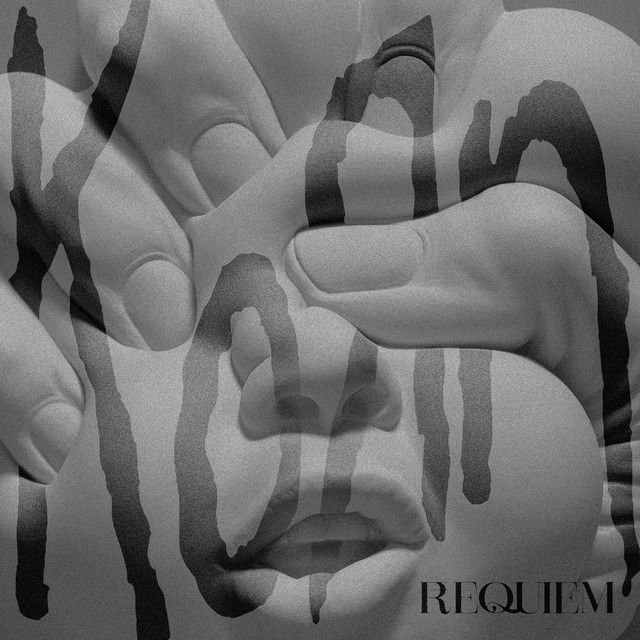
Lost In The Grandeur by Korn
Why This Korn Song Feels So Uneasy
The meaning of Lost In The Grandeur Korn comes down to a struggle with identity, numbness, and inner pressure. The song presents someone who feels manipulated, emotionally blunted, and tired of living through a mask. Instead of sounding reflective and calm, it sounds cornered.
"Lost In The Grandeur" - Korn
Laugh as you tear out my heart
The pain is so stimulating
Loading lyrics...
Unable to load lyrics
We're unable to display the lyrics at this time. Please try again later.
Released on Feb. 2, 2022 as the third single from Requiem, just two days before the album arrived, the track was framed by critics as both searching and punishing in sound, which fits what listeners hear in the song's tense emotional arc. That release timeline was reported by Loudwire and NME.
Watch the official Lost In The Grandeur
music video
The Core Meaning: A Person Trapped in a False Self
At its heart, the song sounds like a confession from someone who no longer trusts the role they have been playing. The key line is the admission that they are fed up with who I portray
. That is bigger than simple frustration. It suggests a split between the public self and the private self.
Interpretation: “Grandeur” seems to mean a grand illusion: ego, image, drama, or a version of life that looks powerful but feels hollow from the inside. To be lost in the grandeur
is to get swallowed by that illusion until they cannot find a stable self underneath it.
The chorus turns that conflict into a plea. When they ask for help to find my way
, the song stops being only about anger and becomes about disorientation. They do not just hate their situation; they no longer know how to return to something real.
How the Verses Build the Emotional Crisis
The opening verse starts with attack and numbness. The speaker addresses a “you” who seems to enjoy hurting them, then admits pain has at least made them feel something. That is a disturbing idea, because it means emotional damage has become a substitute for genuine feeling.
A short phrase like too numb from the start
matters here. It implies this crisis did not begin yesterday. The song paints numbness as old, maybe even foundational.
In the second verse, the mood shifts from direct harm to unhealthy familiarity. The speaker is surrounded by sadness and memories, yet those dark things are oddly welcome because they break through emotional deadness. They even suggest they will do almost anything to escape their current state. That creates a cycle: pain hurts them, but pain also proves they are still alive.
The Voice in the Head, or the World Outside?
One of the song's most effective details is the mention of a constant sound that steals joy. The lyric does not define that sound clearly, and that ambiguity is part of the power.
Interpretation: There are at least two strong readings:
- It could be intrusive thoughts or anxiety, the mental noise that keeps draining daily life.
- It could be an outside force: toxic influence, pressure from others, or the machinery of fame and expectation.
Because Korn often write in emotionally vivid but not fully literal terms, both readings can work at once. The song never needs to choose between internal and external damage, because the experience of suffering often mixes both.
Why the Chorus Hits So Hard
The chorus is simple, but that simplicity is the point. After the verses stack up images of hurt, the hook becomes plain speech. They have followed directions, performed the role, and ended up alienated from themselves.
Help me find my way
I've done everything you say
fed up with who I portray
That is the emotional center of the track. It sounds like obedience has not brought peace. Instead, compliance has deepened self-erasure.
How Korn's Sound Carries the Meaning
Musically, “Lost In The Grandeur” supports its message with force. Loudwire described the track as sonically pummeling, and that feels accurate. The guitars strike with a percussive thwack, the rhythm section keeps pressure locked in, and Jonathan Davis moves between wounded melody and explosive release.
That tension matters. The arrangement does not simply accompany the words; it acts out their emotional pattern. The verses feel clenched and unstable, while the heavier passages sound like panic crossing into resistance.
There is useful album context too. Loudwire reported James "Munky" Shaffer saying Requiem had an Untouchables-like guitar vibe and was shaped by a dystopian pandemic era. The same report noted Jonathan Davis said it was the first album where he did not have to rush his lyrics. That helps explain why this song feels both polished and raw: the band had time to sharpen the attack without smoothing out the distress.
Artist Context Around Requiem
“Lost In The Grandeur” appears as track four on Requiem, Korn's 14th studio album, according to NME. That album arrived during a period marked by shutdown-era isolation and upheaval. In that light, the song's mix of claustrophobia and identity fracture feels very much of its moment.
They were also releasing music during a complicated chapter for the band. NME noted Reginald "Fieldy" Arvizu was on a touring hiatus around that time. While that fact does not define the song's meaning, it adds to the sense that Requiem came from instability rather than comfort.
Final Take on the Meaning
The meaning of Lost In The Grandeur Korn is not just pain. It is pain mixed with performance, numbness, and a desperate wish to break out of a false identity. The song captures what it feels like when suffering becomes familiar, even seductive, but the self still fights to survive.
Its final energy is not surrender. Even at its angriest, the song pushes toward resistance. They may be drowning in illusion, but they are still trying to hold on.
Disclaimer: This interpretation is based on the lyrics, recorded performance, and publicly available context. Like many Korn songs, its meaning can remain open to more than one valid reading.







