Why ‘World War Now’ Feels Bigger Than War
The meaning of World War Now Kreator starts with a blunt idea: the band is not only singing about tanks, armies, or one nation fighting another. They are warning about a wider collapse, where hate, propaganda, and extremism make everyday life feel like a battlefield.
"World War Now" - Kreator
Supremacists have forced us to align
With fear itself the poisoner
Loading lyrics...
Unable to load lyrics
We're unable to display the lyrics at this time. Please try again later.
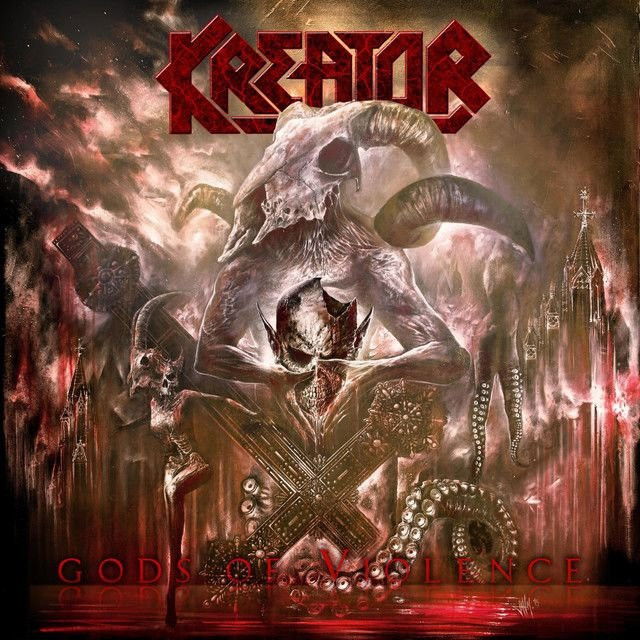
Released by German thrash metal veterans Kreator on Gods of Violence in 2017, the song fits a band long known for political anger and anti-authoritarian themes. According to album credits and release information from Nuclear Blast and Discogs, the track was written by Mille Petrozza and Sami Yli-Sirniö. That context matters, because Kreator often turns global anxiety into sharp, confrontational metal.
A Global Crisis, Not Just a Shooting War
At the most basic level, the song presents war as already underway. Early lines describe a sudden shift into conflict, but the enemy is not shown as one simple opposing army. Instead, the lyrics point to supremacists, fear, lies, and paranoia as the real engines of disaster.
That is why phrases like at war
and no front lines
matter. They suggest a conflict with no clear borders. Interpretation: the song sees modern violence as scattered across politics, media, culture, and the public mind. It is less about a declared war and more about a poisoned climate.
This makes the title feel deliberately extreme. Kreator are saying the world has entered a state of total conflict, even if many people still treat it like normal life.
Watch the official World War Now
music video
How the Verses Build a Picture of Decay
The verses move fast, but their images connect clearly. Truth is shown as dying, fear spreads, and young rebels are turned into villains. The lyrics also describe massacre and cultural erasure, widening the song from personal fear to mass suffering.
A short phrase like rotting corpse of truth
sums up that vision. Before any physical attack happens, truth itself has already been damaged. Interpretation: the band suggests that lies and disinformation prepare the ground for real-world cruelty.
Another key phrase is seeds of hate
. That image matters because seeds grow. Hate is not shown as random emotion; it is planted, fed, and then harvested by those in power. The song’s anger comes from this idea that violence is manufactured.
The Chorus Turns Warning Into Alarm
When the chorus hits with World war now
, it does not offer nuance. It sounds like an emergency siren. Repetition makes the phrase feel inescapable, as though the crisis is no longer coming someday. It is here.
The later section pushes that even further by imagining a planet on fire and humanity near an abyss. Those lines widen the stakes from politics to survival itself. The song stops sounding like commentary and starts sounding like a last alert.
Can’t you feel our earth is burning
One million hands turn into fists
Even there, the message is not only despair. The image of raised fists can imply resistance. Interpretation: the song balances apocalypse with defiance, warning that collapse is real but passivity is a choice.
Tyrants, Youth, and the Politics of Fear
One of the strongest ideas in the song is that power works by naming enemies. The lyrics describe demonized youth, dogmatists, tyrants, and aggressors. In simple terms, the band shows how fearful societies can be pushed toward cruelty by leaders and ideologues.
This fits Mille Petrozza’s larger writing style. In interviews over the years, he has often framed Kreator as a band concerned with humanism and resistance to authoritarian thinking, as covered by outlets like Louder and Kerrang!. Even without a direct line-by-line explanation from the band, that public history supports reading this song as political critique rather than fantasy storytelling.
For U.S. listeners, the message can feel especially current. The song speaks to polarization, conspiracy culture, and the way public language can turn more violent over time. It does not have to name one country to feel relevant.
Why the Music Makes the Message Hit Harder
Kreator’s sound is crucial to the meaning of World War Now Kreator. The track uses fast thrash riffing, sharp rhythm changes, and a pounding attack that mirrors social panic. There is no warm or reflective space in the arrangement for very long. The music keeps pressing forward.
Petrozza’s vocal delivery also matters. He does not sing these lines gently; he spits them out with urgency. That harsh tone turns abstract ideas like propaganda or paranoia into something bodily and immediate.
Production helps too. On Gods of Violence, the band aimed for a big, modern thrash sound with clarity and force, a point reflected in album coverage from AllMusic and label materials from Nuclear Blast. Here, that polished aggression serves the song well. The cleaner the attack, the easier it is to hear the warning.
The Best Way to Read the Song
The most convincing reading is that “World War Now” treats hatred and disinformation as weapons of war. It argues that when truth collapses, when fear rules, and when people are taught to see each other as enemies, society is already in a kind of global conflict.
A second reading is narrower but still plausible: the song may also reflect the political mood of the mid-2010s, when nationalist movements, public rage, and global instability felt impossible to ignore. Both readings can exist together.
Final Take on the Song’s Message
In the end, “World War Now” is less about one battlefield than a whole civilization under pressure. Kreator portray a world where lies become strategy, hate becomes policy, and resistance becomes necessary.
That is what gives the song its power. It is not only describing chaos; it is warning listeners not to accept it.
Disclaimer: This interpretation is based on the lyrics, the band’s broader themes, and publicly available context. As with any song, meaning can remain open to different readings.








