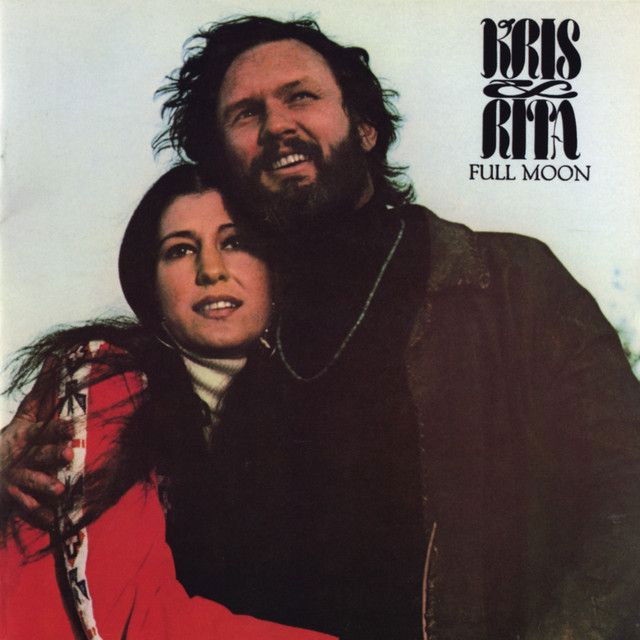
Why "Loving Arms" Still Hurts
The meaning of Loving Arms Kris Kristofferson, Rita Coolidge comes down to a hard lesson: the person who once ran from commitment now understands what that love was worth. It is a song about regret, loneliness, and the shock of learning too late that comfort can matter more than freedom.
"Loving Arms" - Kris Kristofferson, Rita Coolidge
The one who said that he'd rather roam
The one who said he'd rather be alone
Loading lyrics...
Unable to load lyrics
We're unable to display the lyrics at this time. Please try again later.
Written by Tom Jans, Loving Arms has been recorded by several artists, including Kris Kristofferson and Rita Coolidge, whose country-pop style made songs of emotional honesty a natural fit for them. That broader recording history is well documented in standard song references and artist discographies such as AllMusic and Discogs. Their association with the song matters because both artists were especially good at singing adult heartbreak without overplaying it.
A Love Song About Coming Back Too Late
At its core, the song tells a simple story. The narrator once chose motion over closeness. They were the one who would rather leave, drift, and live alone. Now, after enough miles and enough empty nights, they want the very thing they rejected.
That reversal gives the song its power. Early lines point back to the old version of the speaker, the one who would rather be alone
. But the song is not proud of that choice. It looks back on it with sorrow.
Interpretation: This is not just missing a lover. It is missing the self they could have been if they had stayed.

Watch the official Loving Arms
music video
The Voice of the Song: A Plea, Not a Demand
One reason the lyric lands so deeply is the way it speaks outward. The narrator keeps reaching toward someone who may not even be listening. Phrases like see me now
and hear me now
sound like messages sent into distance.
That detail matters. They are not speaking from a secure relationship. They are speaking from separation, maybe even from estrangement. The song never says whether the other person will answer. That silence creates tension.
The emotional timeline in brief
- They remember how stubborn they once were.
- They imagine getting one more moment of closeness.
- They admit life on the road has worn them down.
- They confess that the past now feels warmer than freedom.
This structure keeps the lyric clear and human. It moves from memory to confession, then to longing.
Why the Chorus Cuts So Deep
The chorus holds the song's most revealing idea. After describing a hard life spent out in the world, the narrator says they have been too long in the wind
and too long in the rain
. Those images suggest exposure, fatigue, and emotional homelessness.
Then comes the line that gives the song its twist: freedom of my chains
. In plain language, the narrator now sees that what once felt limiting was also grounding. Love had obligations, but it also had shelter.
too long in the wind
too long in the rain
freedom of my chains
This short passage captures the whole theme. The world outside the relationship looked open, but openness turned into loneliness. The relationship looked confining, but memory has recast it as safety.
Interpretation: The song argues that real intimacy can feel like both bondage and freedom at once. That contradiction is why the lyric remains memorable.
The Symbols Are Simple, but They Work
The imagery is easy to grasp, and that is part of its strength. Wind, rain, lonely night, and arms are not cryptic symbols. They are familiar emotional signals.
- Wind and rain suggest a life without protection.
- Night suggests isolation and reflection.
- Arms symbolize physical comfort, forgiveness, and home.
- Time appears as something the narrator wishes they could reverse.
Because the symbols are plain, the feeling comes through fast. This is a song built on direct speech, not poetic puzzles. That plainness fits both Kristofferson and Coolidge, artists known for emotional clarity in country and pop-inflected storytelling, as reflected in their biographies and catalogs at Britannica and AllMusic.
How Kris and Rita's Style Shapes the Meaning
Even when listeners know other versions, Kris Kristofferson and Rita Coolidge bring a particular emotional frame. Their performances often leaned warm, unforced, and conversational rather than flashy. That matters for a song like this.
A polished or overly dramatic vocal could make the lyric sound sentimental. Their style instead makes it feel lived-in. The melody is gentle, and the arrangement usually lets the vocal sit front and center. Soft rhythm, steady tempo, and country-pop textures support the song's central feeling: exhaustion giving way to honesty.
Interpretation: In their hands, the song feels less like begging and more like truth finally spoken out loud.
A Song About Maturity, Not Just Heartbreak
The best way to understand the meaning of Loving Arms Kris Kristofferson, Rita Coolidge is to hear it as a song of late wisdom. The narrator is not simply sad. They are changed.
They once confused distance with independence. Now they understand that love can be a place of rest. That is why the repeated wish to be held again does not sound shallow. It sounds earned.
There is also a universal lesson here. Many listeners know the feeling of misjudging what matters, especially when they are young or restless. The song speaks to that moment when pride fades and truth becomes simple.
Why It Lasts
<Loving Arms> endures because it says something timeless in very few moves. It is about the cost of leaving, the ache of memory, and the human wish for one more chance. The lyric does not promise reunion. It only tells the truth about wanting it.
That honesty is why the song still resonates. It understands that sometimes people only recognize love after they have walked far enough away to feel the weather.
Disclaimer: This interpretation is based on the lyrics, performance style, and available song context. As with any song, listeners may hear meanings that differ from this reading.







