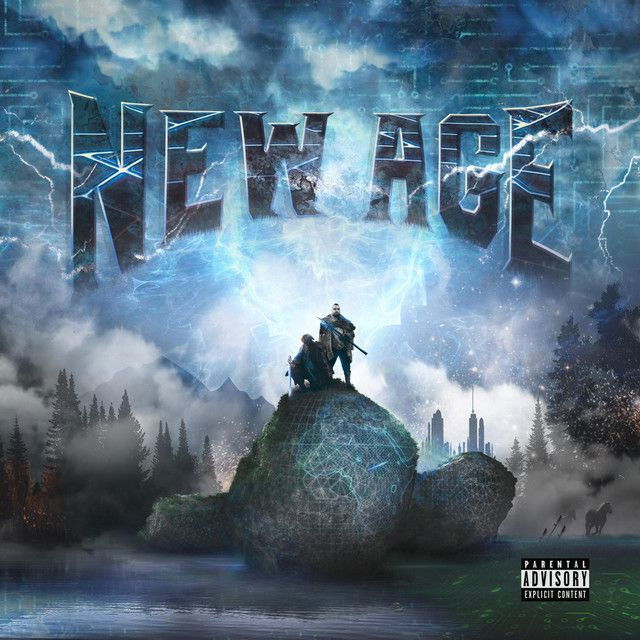
Why “Beerus” Turns KSI and Randolph Into Untouchables
The meaning of Beerus KSI, Randolph comes down to power. KSI and Randolph use the song as a victory lap, but also as a warning shot. They present themselves as artists who came up from online hustle, built real success, and now feel too powerful to be touched by critics, ex-friends, or rivals.
"Beerus" - KSI, Randolph
Zeeshan
Ah, you don't like me that's established
Loading lyrics...
Unable to load lyrics
We're unable to display the lyrics at this time. Please try again later.
The title matters right away. Beerus is the God of Destruction from Dragon Ball, a character known for overwhelming strength and calm authority. According to Beerus lore, he maintains balance through destruction, which gives the song’s bragging a bigger frame than ordinary rap flexing. KSI is not just saying he is successful; he is comparing that success to a force that can erase competition.
More Than a Flex Track
On the surface, “Beerus” is full of standard rap boasts: money, women, fame, and enemies. But the song works because it ties those boasts to a story of earned status. Early lines contrast internet hate with real-world success. When they throw out phrases like keyboard warrior
and living that lavish life
, they set up a gap between loud critics and visible achievement.
That contrast is the engine of the whole song. Their haters type; they build. Their enemies talk; they level up. Even when the lyrics are rude or exaggerated, the core message stays simple: success is the best answer to disrespect.
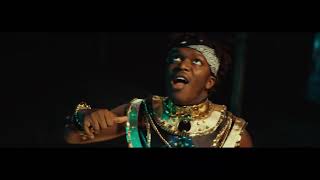
Watch the official Beerus
music video
The Hook Makes the Message Crystal Clear
The chorus gives the song its identity. The key phrase god like Beerus
turns confidence into mythology. This is not humble self-belief. It is total dominance.
Young winner come fear us
I'm a god like Beerus
That short moment frames the whole record. They are not asking for approval. They want fear, distance, and recognition. Interpretation: the chorus suggests that fame has changed how they see conflict. Instead of arguing with doubters, they position themselves above them.
The line about no one coming near them pushes the same idea. It is competitive rap language, but it also reflects KSI’s real public image in that era: a creator crossing from YouTube into music, boxing, and mainstream celebrity. Songs like this helped build that larger-than-life brand around the time of the collaborative project New Age.
Success Here Feels Built, Not Borrowed
One reason “Beerus” lands is that the verses keep returning to work and progression. The song mentions a path from rough beginnings to private planes and live stages. That movement matters more than the luxury details themselves.
Rather than sounding like they simply inherited status, they describe a climb. KSI especially leans into self-made identity, stressing that he started alone and turned ambition into business. Randolph’s opening verse does something similar by tying confidence to endurance. He suggests that people who come at them do not have the stamina for this level.
Wealth Is a Symbol, Not the Whole Point
The money talk is constant, but it serves a bigger purpose. Cash, vaults, and designer imagery are proof of survival and momentum. In this song, wealth is evidence that the mission worked.
That is why the flexing feels aggressive rather than playful. They are not just enjoying rewards. They are using those rewards as receipts. When they boast, they are trying to shut down doubt.
Enemies, Betrayal, and the “Judas” Motif
Another big part of the meaning of Beerus KSI, Randolph is distrust. The song is obsessed with enemies, fake friends, and people who appear once success arrives. One of the sharper images is any Judas lookin'
, which brings betrayal into the picture.
That biblical reference widens the song’s emotional range. Beneath the swagger is suspicion. They do not only feel strong; they feel watched. Exes, users, and online critics all blur into one crowd of people trying to take something from them.
Interpretation: this is where “Beerus” becomes more than a standard anthem. The hard exterior may be covering pressure. If everyone wants access, money, or attention, then god-like power also becomes a defense mechanism.
How the Sound Supports the Persona
Production helps sell the song’s meaning. The beat is dark, heavy, and built for impact. Its trap structure, hard drums, and menacing tone create a space where these oversized claims feel natural.
There is also a sharpness in the vocal delivery. KSI attacks his lines with clipped force, while Randolph gives the opening a cold, controlled swagger. Together, they sound less like two friends casually rapping and more like two figures guarding the top of a mountain.
That matters because “Beerus” depends on conviction. If the performance were lighter, the anime reference might feel gimmicky. Instead, the beat and delivery make the title believable inside the song’s world.
The Anime Reference Is the Key
Beerus is a smart choice because the character is not just powerful; he is casually powerful. He does not need to prove much. He can destroy because destruction is part of his nature. That fits the song’s attitude perfectly.
KSI and Randolph borrow that aura. They present winning as something natural now, not fragile. Even the insults and threats come from a place of assumed superiority.
Interpretation: the title also reflects internet-era identity. KSI built his audience in a culture where anime, gaming, YouTube, and rap all overlap. Naming the song after Beerus lets him merge those worlds into one brand statement.
Final Take on “Beerus”
In the end, the meaning of Beerus KSI, Randolph is about turning success into myth. The song celebrates money and status, but its deeper point is dominance after struggle. It tells listeners that the duo see themselves as self-made winners who are now too established to be shaken by hate.
That is why “Beerus” still works: it is not subtle, but it is focused. Every boast, threat, and anime nod builds the same image—artists who believe they have outgrown the people trying to pull them down.
Disclaimer: This interpretation is based on the released lyrics, public artist context, and the song’s cultural references. As with any song, some meanings remain open to listener interpretation.








