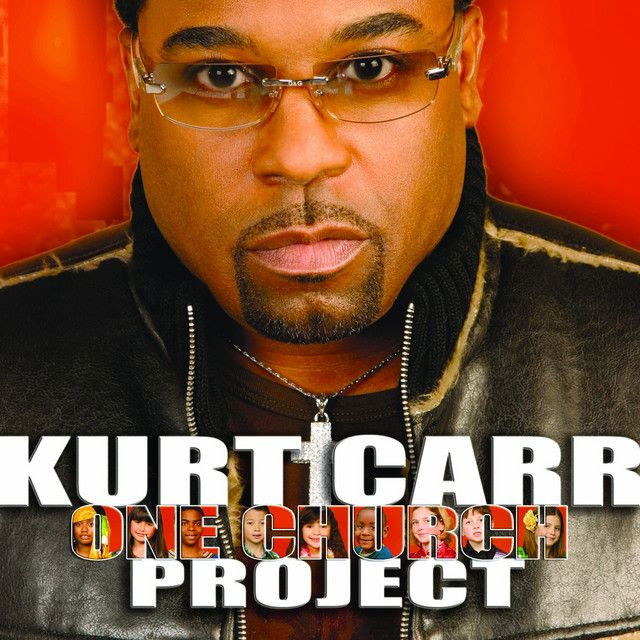
Why "God Great God" by Kurt Carr Still Lifts Churches
The meaning of God Great God Kurt Carr starts with a simple idea: the song is pure praise. It does not tell a long story or work through doubt step by step. Instead, it builds a shared moment of worship by repeating God’s power, holiness, and greatness until the message feels bigger than any one singer.
"God Great God" - Kurt Carr
Now and forever the Lord God omnipotent
Reineth with power forever with power
Loading lyrics...
Unable to load lyrics
We're unable to display the lyrics at this time. Please try again later.
Kurt Carr is known for writing choir-driven gospel that works both as music and as ministry. According to his official bio, they built a career around contemporary gospel arrangements that blend strong choir parts, solo energy, and church-rooted language. That context matters here. “God Great God” is designed less as private reflection and more as a corporate declaration.
A Praise Song With One Central Claim
At its core, the song says that God deserves honor because no one compares to Him. The opening lines pile up worship words like glory, honor, dominion, and power. That list matters because it frames God not as a vague comfort, but as ruler over everything.
When the lyric says sovereign God
, it points to control, authority, and majesty. In plain terms, the song argues that God is not only loving, but supreme. That is why the chorus lands so strongly: it keeps returning to God great God
as both a statement and a cry of awe.
Watch the official God Great God
music video
How the Lines Build the Theme
The song moves in a clear pattern:
- It names God’s traits.
- It responds with reverence.
- It repeats the claim that no one is greater.
- It turns repetition into celebration.
That structure makes the song easy for a congregation to enter. Early on, the words describe God as all-powerful and eternal. Then the singers answer that truth by saying they stand here in reverence
. The song is not just about doctrine. It is also about posture.
That shift is important. The first part tells listeners who God is. The next part shows what people do in response: they honor, they stand, they worship, they receive blessing in God’s presence. The lyric blessed in your presence
turns praise into relationship. God is not only far above them; God is also near enough to be experienced.
Why Repetition Is the Whole Point
Some listeners may notice that the song uses very few ideas. That is not a weakness. In gospel music, repetition often creates intensity, unity, and spiritual focus. Here, the repeated line about no one being greater is the song’s emotional engine.
Nobody greater
Greater than our God
This brief refrain acts like a chant of certainty. Each return makes the claim feel less like a lyric and more like a collective testimony. In church settings, repetition also allows room for call-and-response, handclaps, vocal runs, and spontaneous praise.
Interpretation: the repeated wording may reflect how worship works in real life. People do not always need new information; sometimes they need one truth stated again until it sinks in emotionally.
The Worship Voice Is Collective, Not Personal
A key part of the meaning of God Great God Kurt Carr is its use of group language. The song says we stand here in reverence
, not “I stand.” That small choice changes everything. This is the voice of a body of believers, not one isolated narrator.
That collective voice helps explain why the song remains popular with choirs and praise teams. It gives a room of people something they can say together. The words are broad enough for many settings, but strong enough to sound bold.
How the Sound Carries the Message
Musically, the song supports its message through classic gospel tools: stacked choir harmonies, dynamic repetition, and a rising sense of momentum. Carr’s work with the Kurt Carr Singers sits in the contemporary gospel tradition, where choir power and modern arrangement meet church praise language.
The likely effect is intentional. A full choir makes God sound bigger. Layered voices suggest community and agreement. Strong rhythmic emphasis gives the declarations weight, especially when the title phrase returns again and again.
The melody is also accessible. That matters because songs of congregational praise need memorable hooks more than complex verses. Here, the simplicity lets emotion do the heavy lifting. Listeners do not have to decode symbols or plot. They can join in almost at once.
Artist Context Makes the Meaning Clearer
Kurt Carr has long worked in a style that bridges choir music, praise-and-worship, and polished gospel performance. That background helps explain why this song feels both formal and joyful. Words like “Jehovah” and “omnipotent” carry biblical and church tradition, while the repeated hook feels immediate and participatory.
So the song balances two ideas at once:
- God is exalted above everything.
- God is close enough to be praised right now.
That balance is one reason the song lasts. It sounds grand, but it is still usable in worship.
A Reasonable Interpretation of Its Lasting Appeal
Interpretation: beyond church use, the song may resonate because it answers a basic human need for stability. In a world that feels unstable, a song built on divine power and permanence can feel grounding. Phrases about forever and unmatched greatness offer certainty rather than confusion.
It also avoids narrow personal details. Because it stays focused on God’s greatness, many listeners can bring their own circumstances into it. For one person, it may sound like gratitude. For another, it may feel like strength in hard times.
Final Take on Its Meaning
In the end, the meaning of God Great God Kurt Carr is straightforward but powerful: it is a communal declaration that God alone is supreme, worthy, and present. Its short lines, repeated claims, and choir-centered sound turn theology into shared experience.
That is why the song still works. It does not chase complexity. It aims for awe, unity, and reverence, and it gets there with direct language and a sound built to fill a room.
Disclaimer: This interpretation is based on the song’s lyrics, gospel context, and performance style. As with any worship song, individual listeners may hear additional meanings shaped by their own faith background and experience.








